Responsible Supply Chain
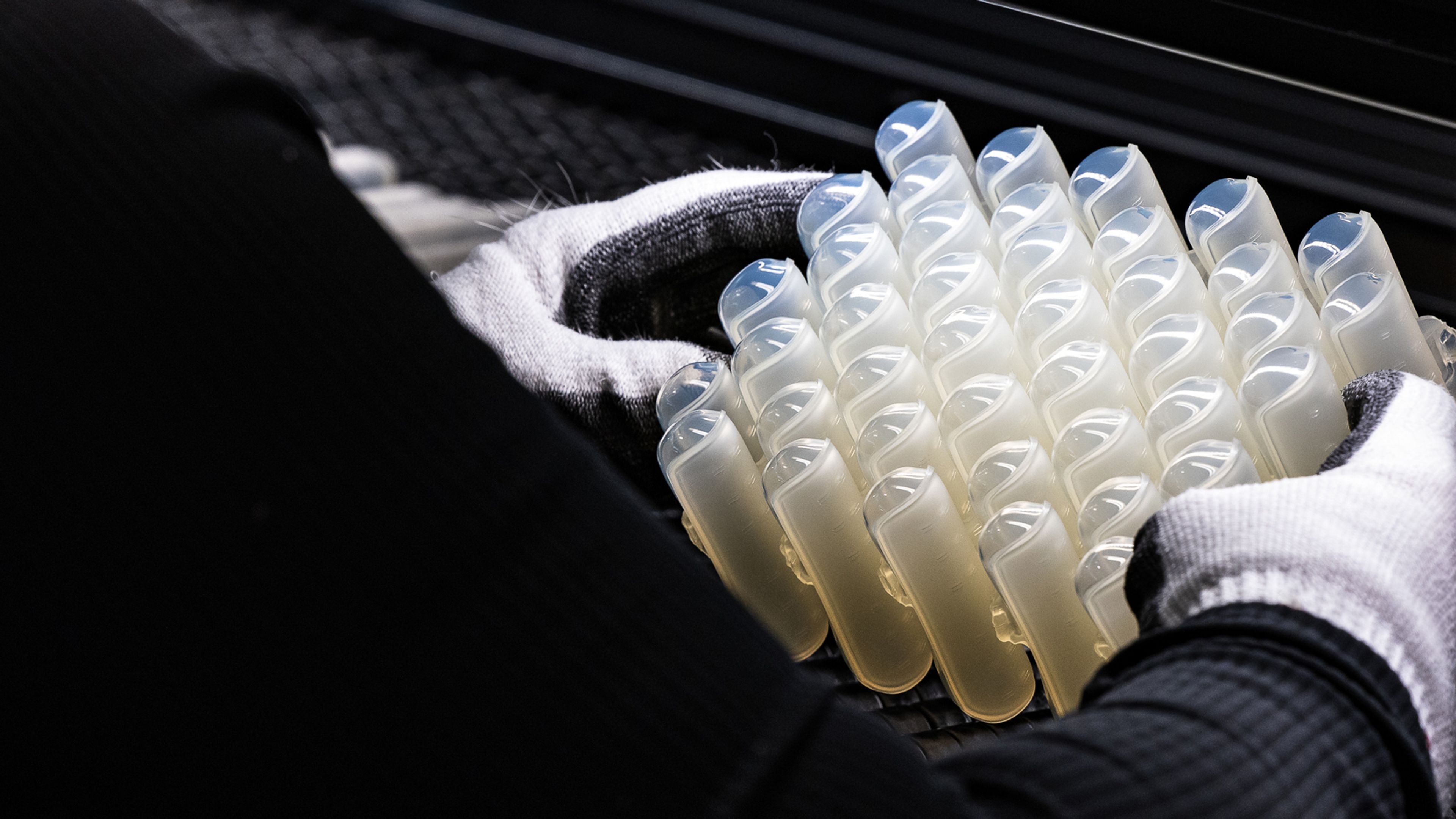
For more than 40 years, NIKE, Inc. has partnered with strategic suppliers who share our ambition to create positive outcomes for workers, support communities where suppliers operate and advance environmental sustainability. We’ve laid out clear expectations, consistently fostered a culture of continuous improvement and designed tailored programs to help suppliers level up their operations and strengthen workforce resilience.
By the Numbers
Strategic supplier facilities that measured and improved worker engagement in FY25
Strategic supplier facilities that demonstrated gender equity in FY25
Strategic suppliers that developed world-class, safe and healthy workplaces for the people making our product in FY25
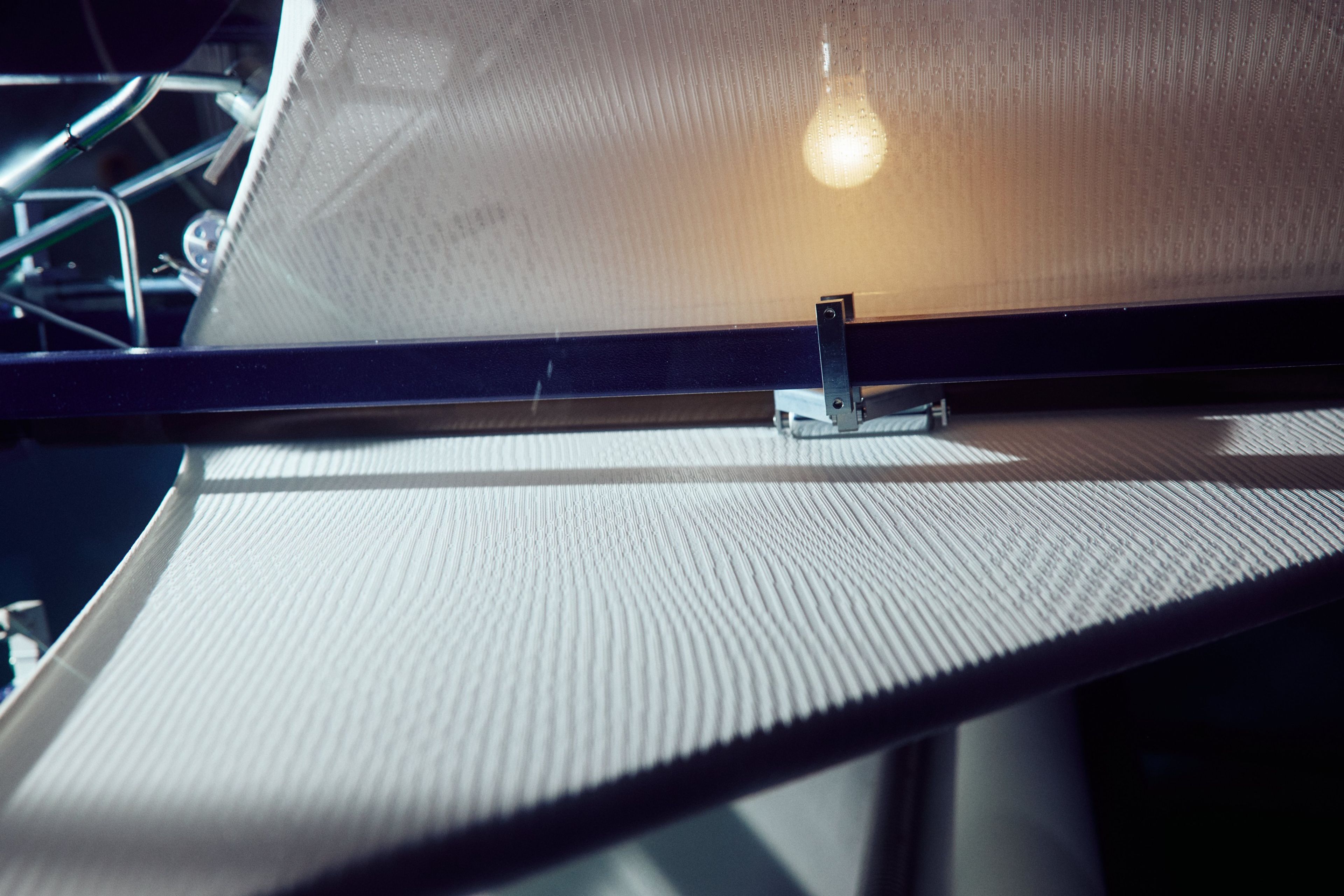
We are building a responsible and resilient supply chain with the goal that all people who make and move our products, and the communities where they operate, are respected and valued. With a supply chain as complex and wide-spread as ours, we understand that there isn’t a one-size-fits-all approach to achieving this goal. Our Tier 1 finished goods suppliers alone employ more than 1 million workers across 37 regions and countries. Over many years, we have built an approach focused on elevating foundational conditions as well as programs designed to build advanced management capabilities to drive lasting impact in working conditions over time.
All NIKE, Inc. suppliers are measured against the minimum required compliance standards for labor, health and safety and environmental impact outlined in the NIKE, Inc. Code of Conduct (Code) and Code Leadership Standards (CLS). NIKE, Inc. strategic suppliers, which are those that produce 80 percent of our product volume across footwear, apparel and accessories, also work with us to level up their operations across Gender Equity, Health and Safety and Worker Voice. They build capabilities tied to specific, measurable outcomes that help attract, develop and retain a skilled workforce and help develop workplaces with a goal to create cultures where people feel safe, respected and engaged.
Ultimately, our approach focuses on foundational expectations and strategic programs that lead to long term, positive impact for suppliers and workers as seen through metrics like equitable promotion and career advancement and improved recruitment, job security and productivity.
Our strategy and solutions are grounded in best practices for managing human rights risks and impacts, including rights defined in the Universal Declaration of Human Rights and the International Labour Organization’s (ILO) Declaration on Fundamental Principles and Rights at Work. Our work is also informed by the UN Guiding Principles on Business and Human Rights and the Organization for Economic Co-operation and Development (OECD) Guidelines for Multinational Enterprises.
Initiatives
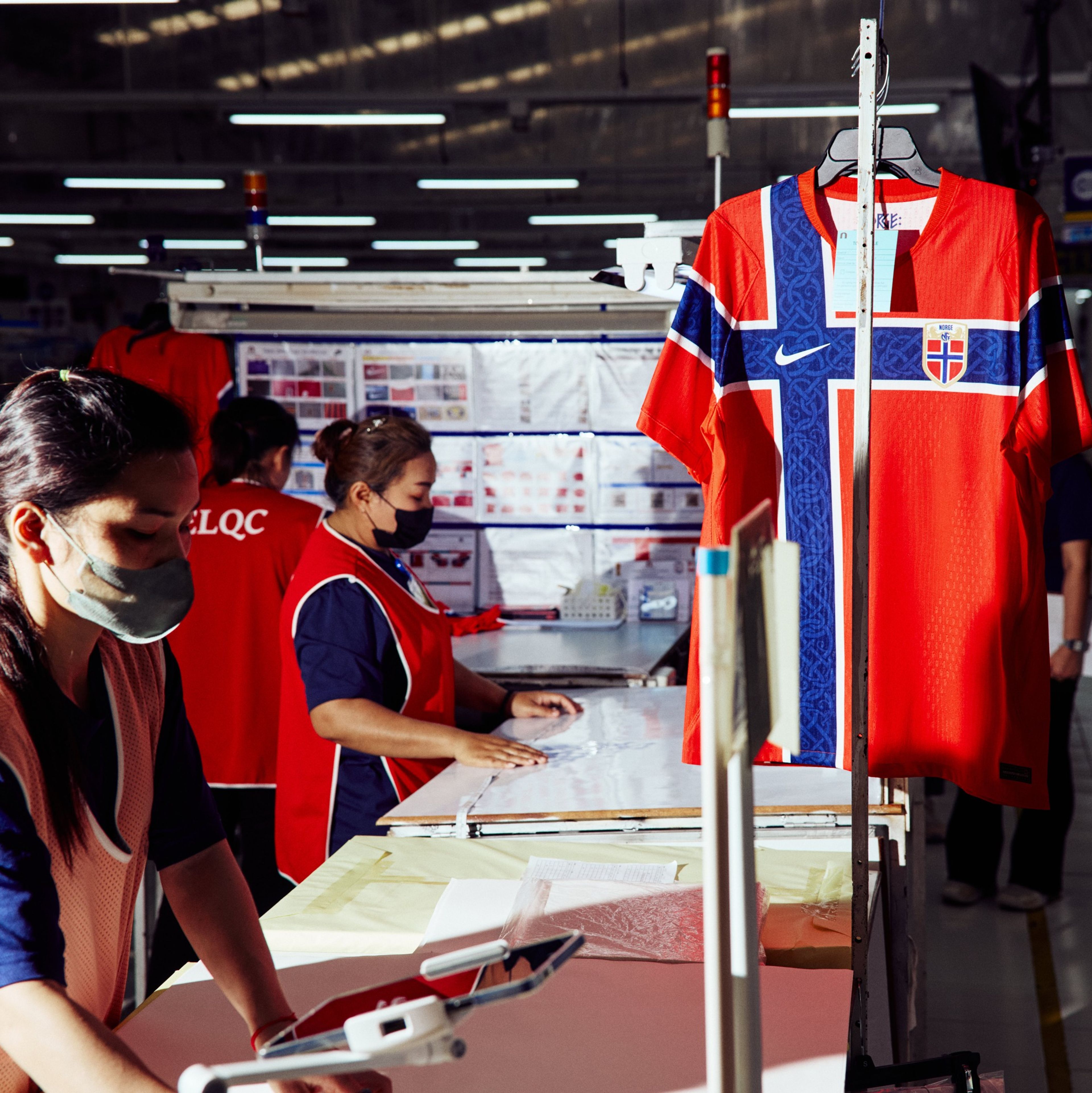
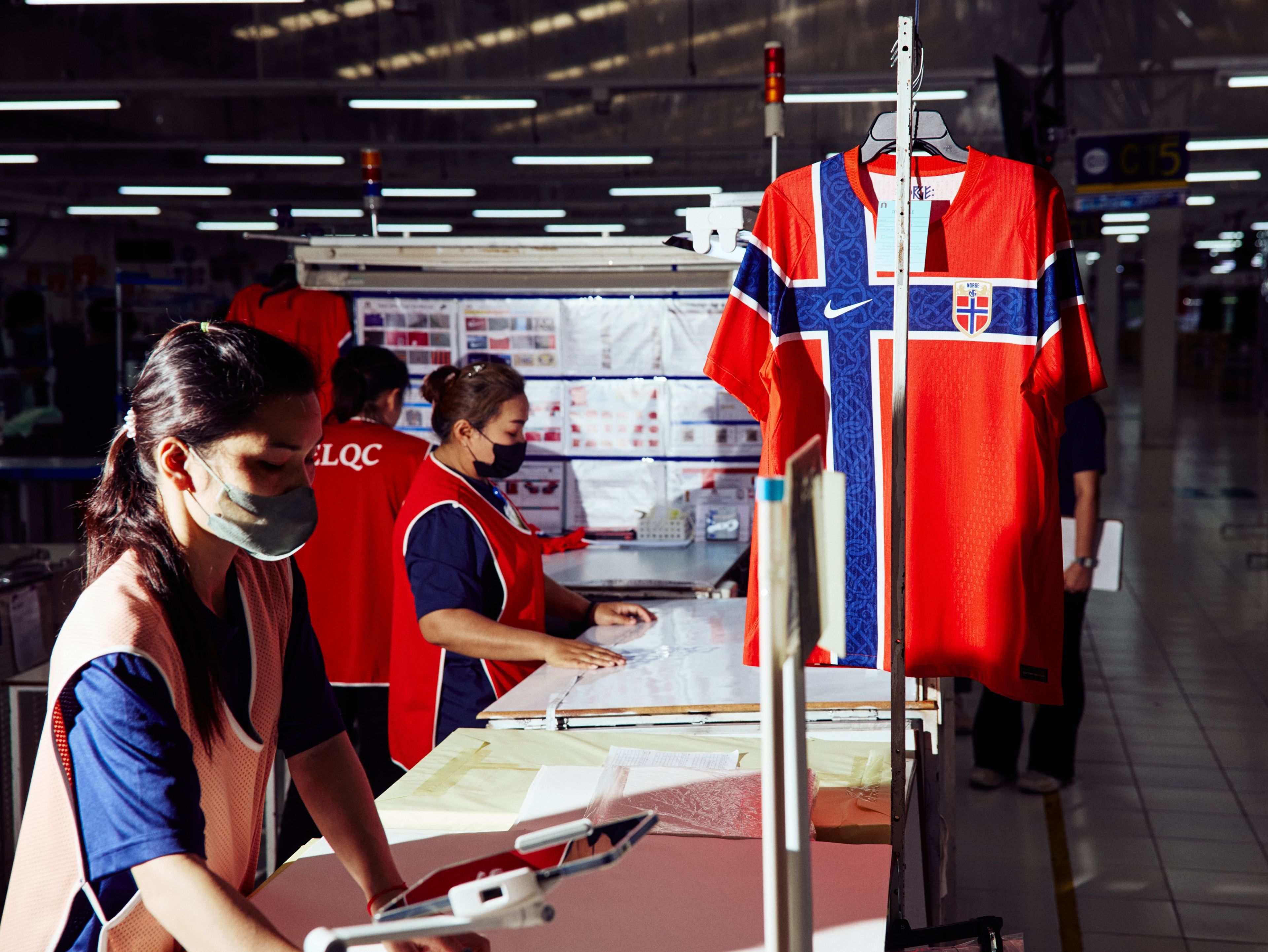
Foundational Expectations and Code of Conduct
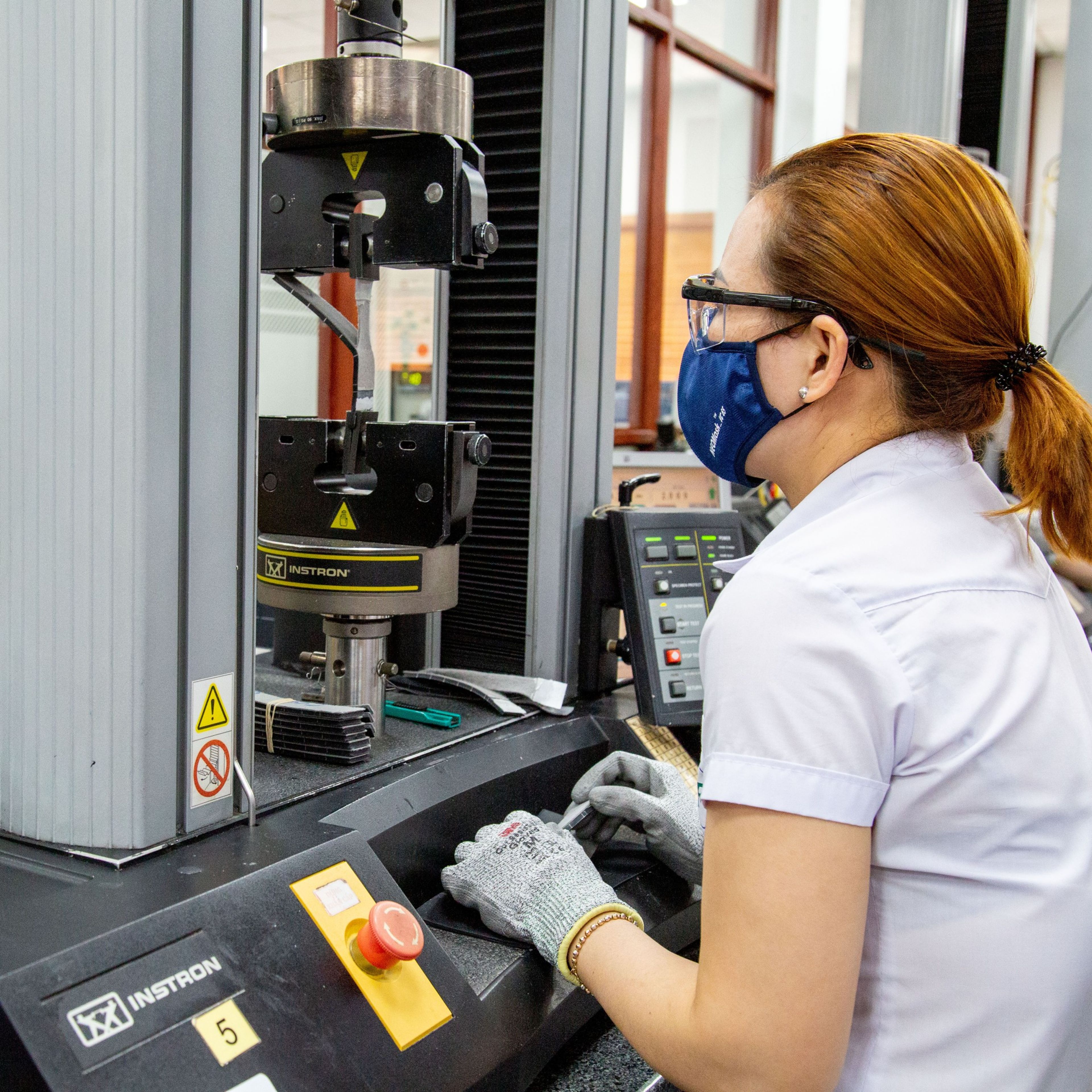
We set clear, foundational expectations for our suppliers to be in compliance across all standards of our Code of Conduct and Code Leadership Standards.

Inclusivity
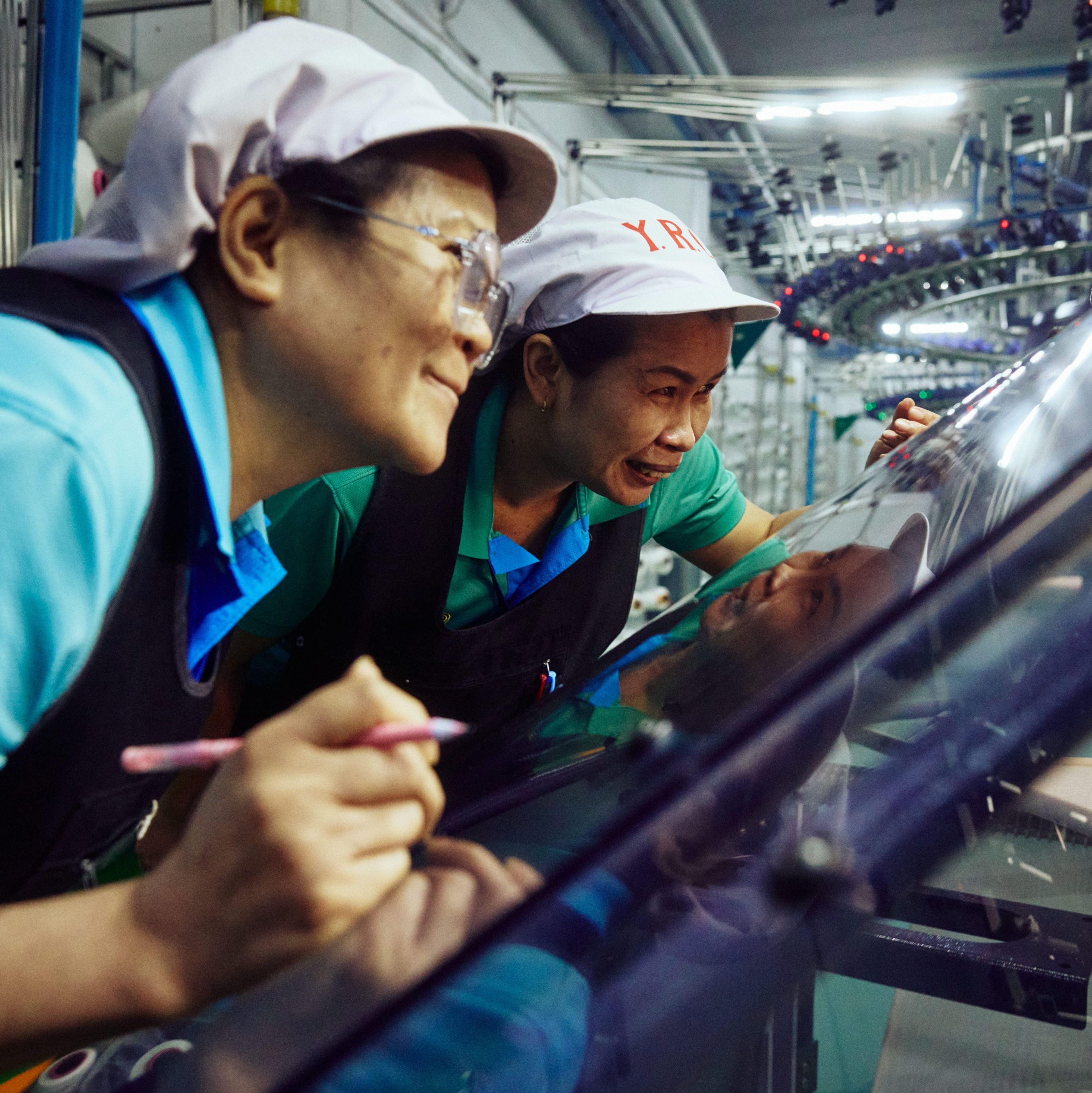
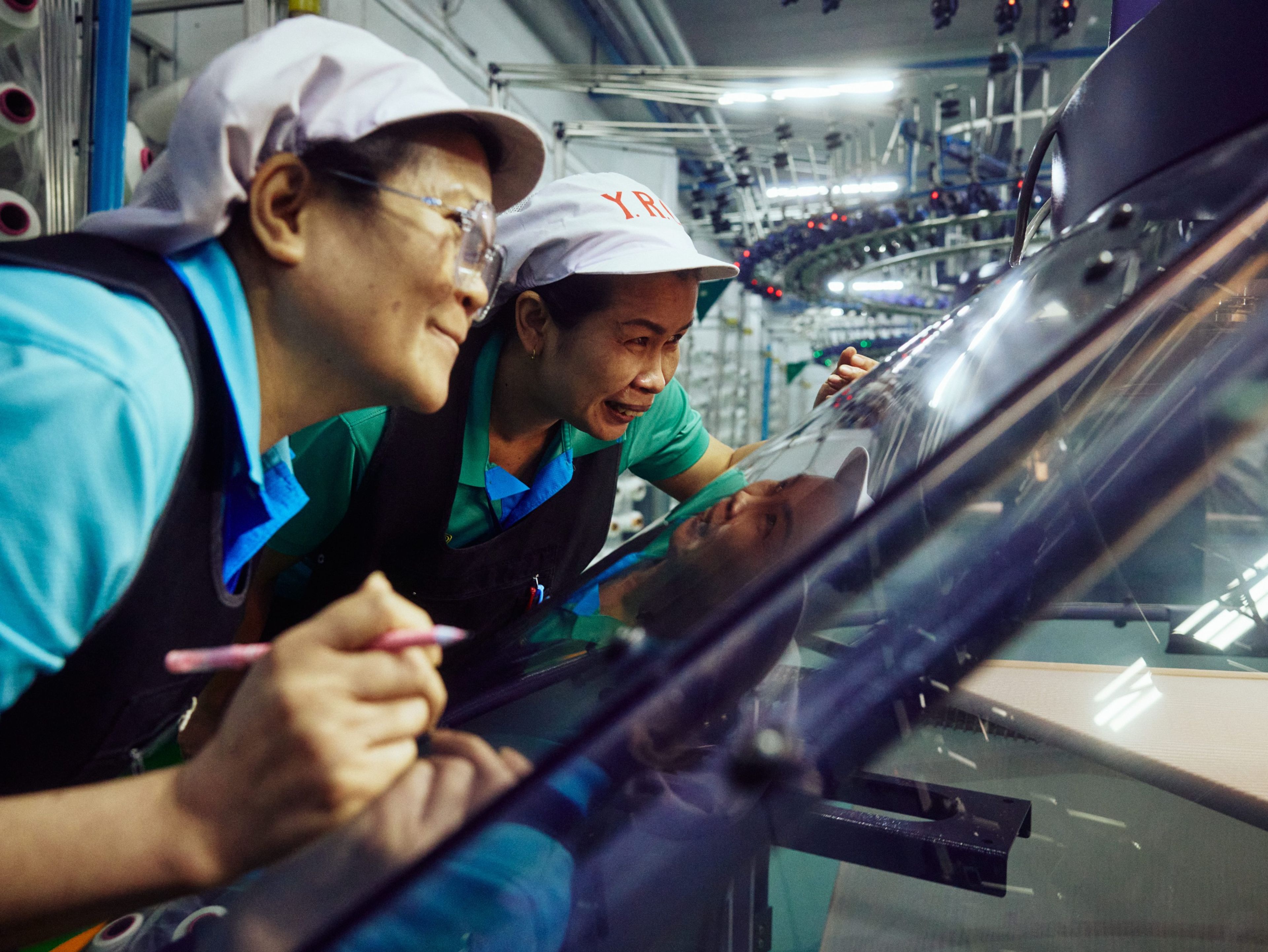
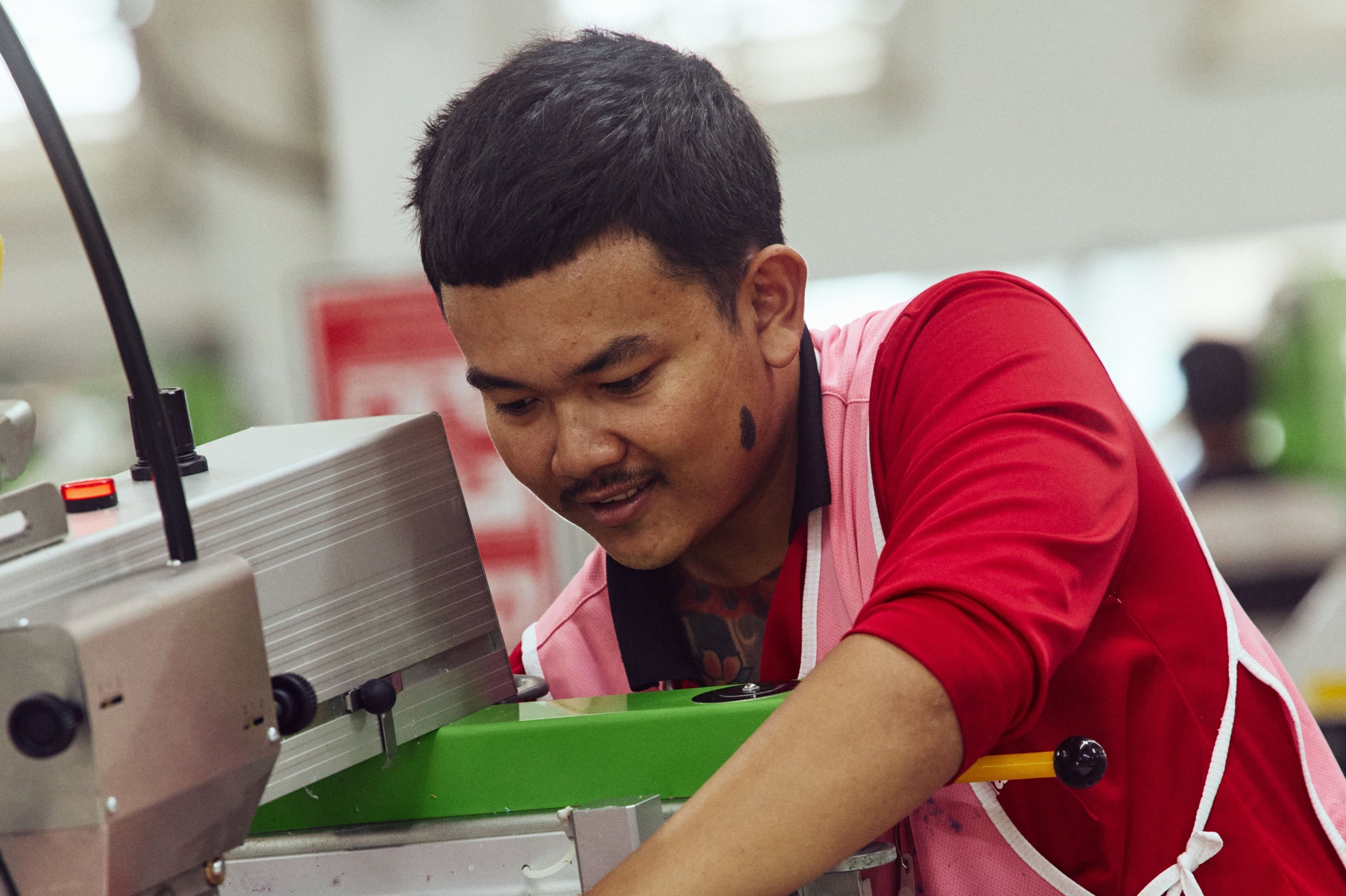
We work to promote more inclusive, equitable workplaces, including in the facilities where our products are made.
Worker Voice
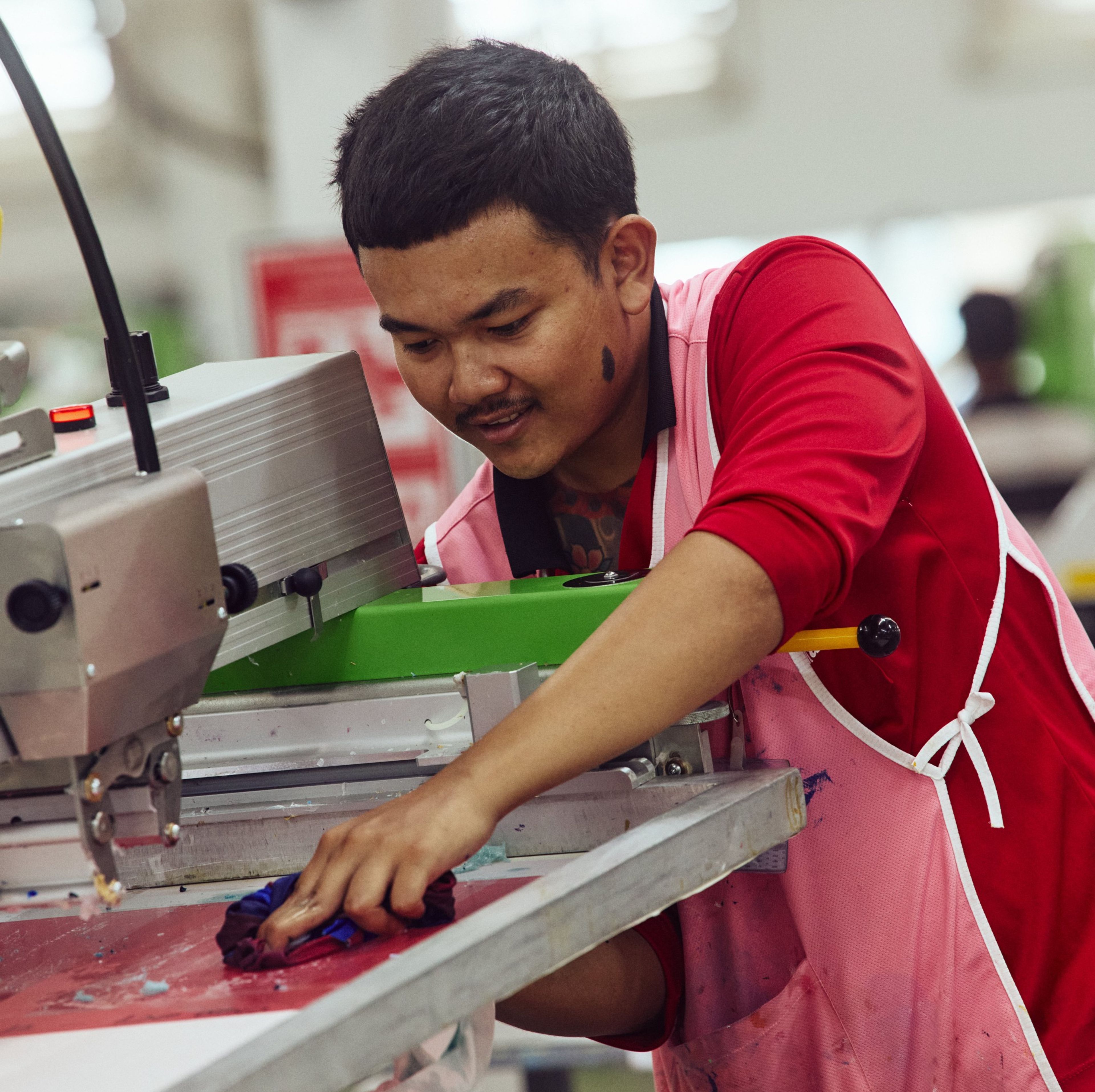
We believe that a skilled, valued and engaged workforce is key for growth and sustainability.
Resources
- NIKE, Inc. Sustainability Data
- NIKE, Inc. Facility Code of Conduct Translations
- NIKE, Inc. Facility Code Leadership Standards Translations
- Manufacturing Map
- Human Rights and Labor Compliance Standards
- Statement on Forced Labor
- Strategic Compensation in the Supply Chain
- Foreign Migrant Workers
- Sustainability Partnerships
From The Record
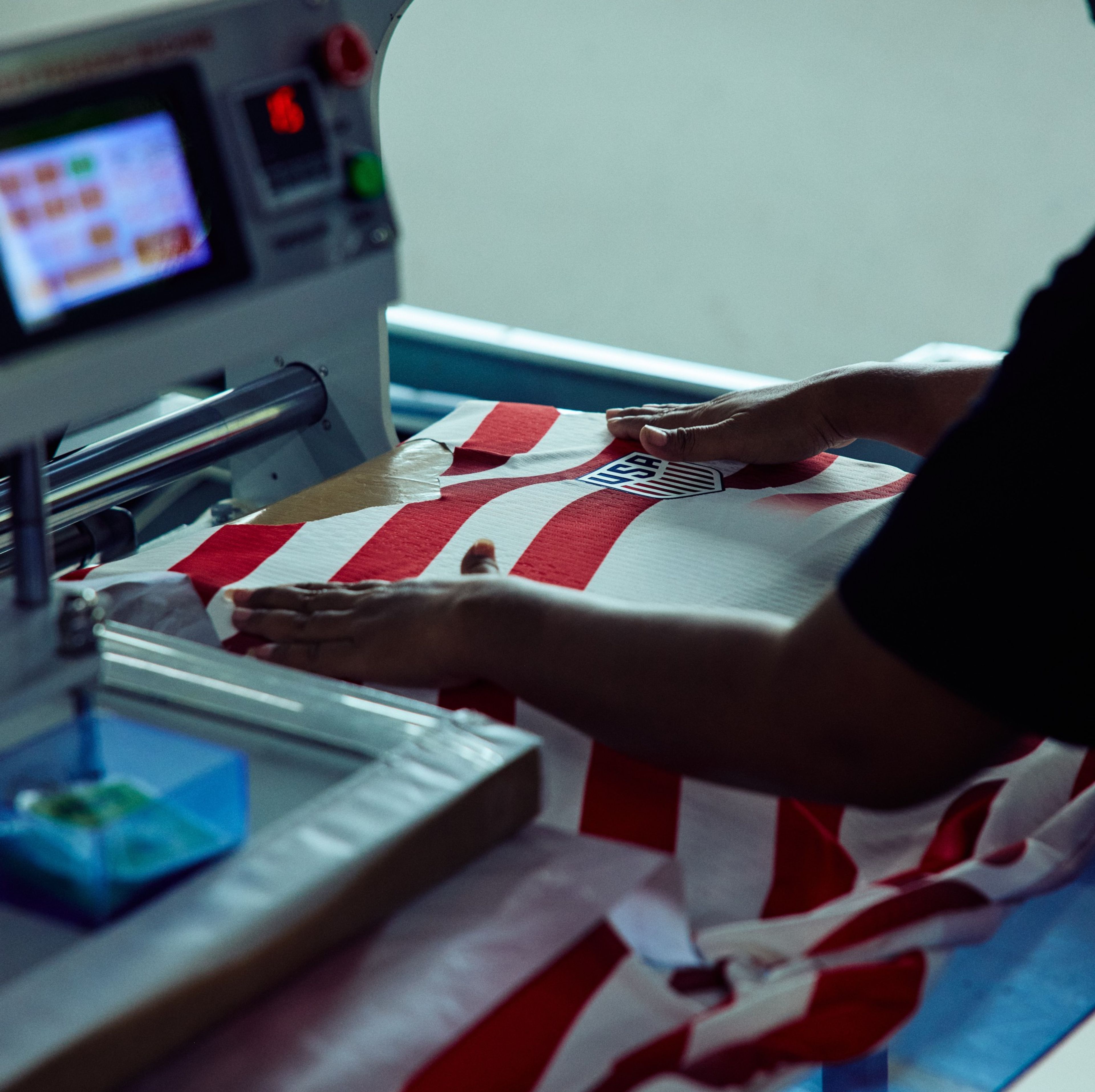
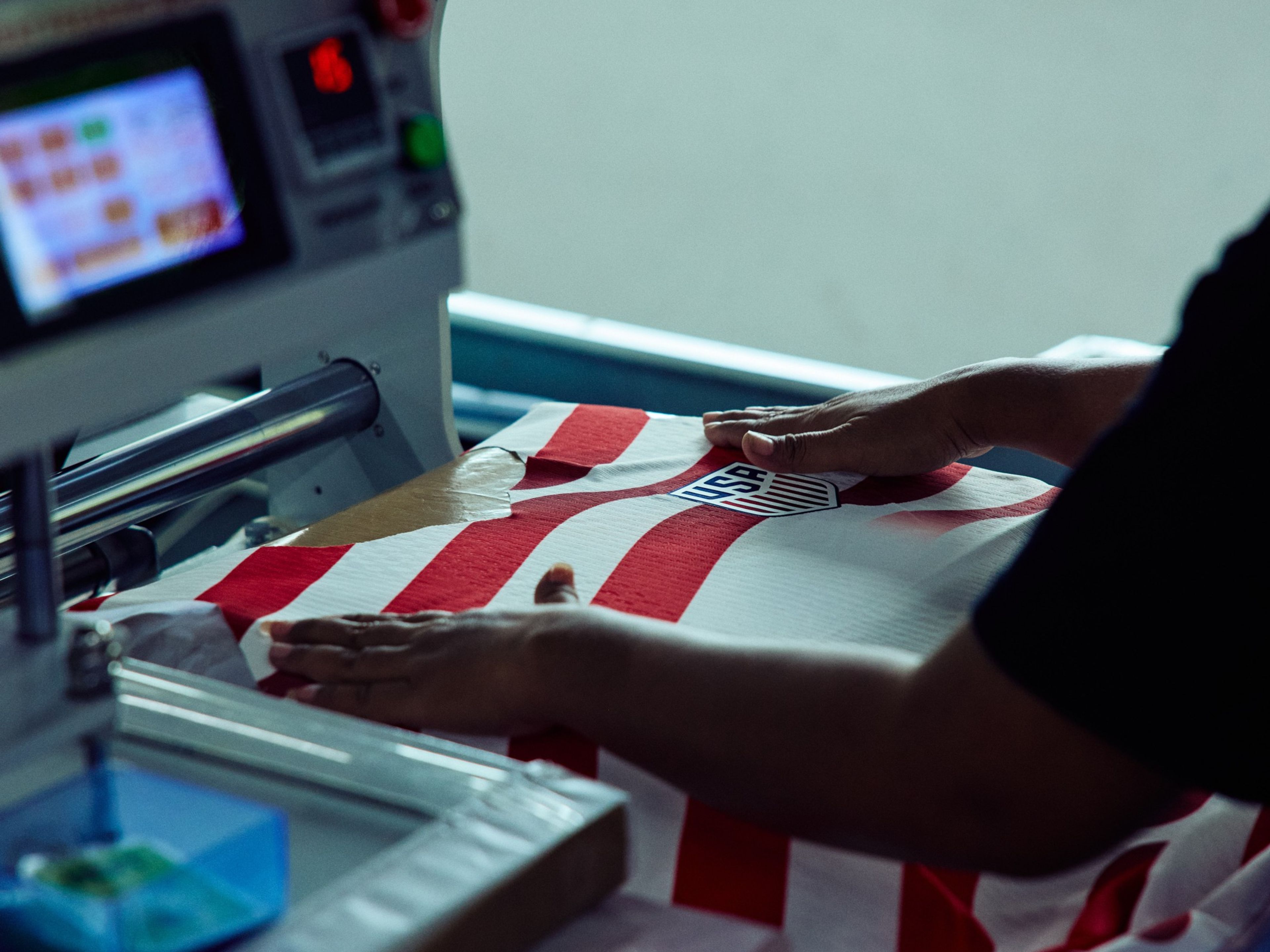
The Making of Aero-FIT: The Material Innovation Keeping Footballers Cooler on the Pitch
When you’re playing for your country, nothing should distract you, least of all heat and sweat.
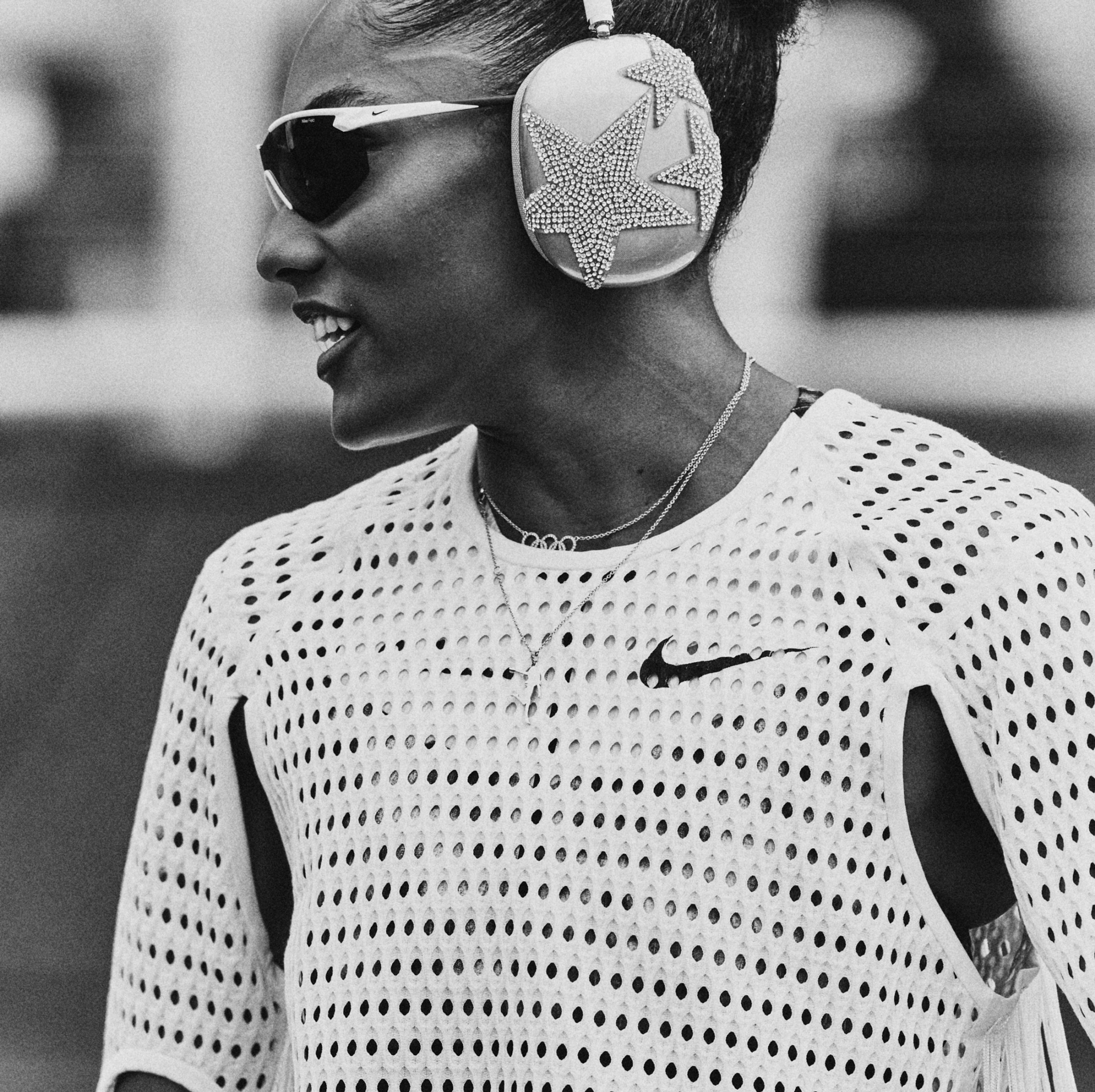
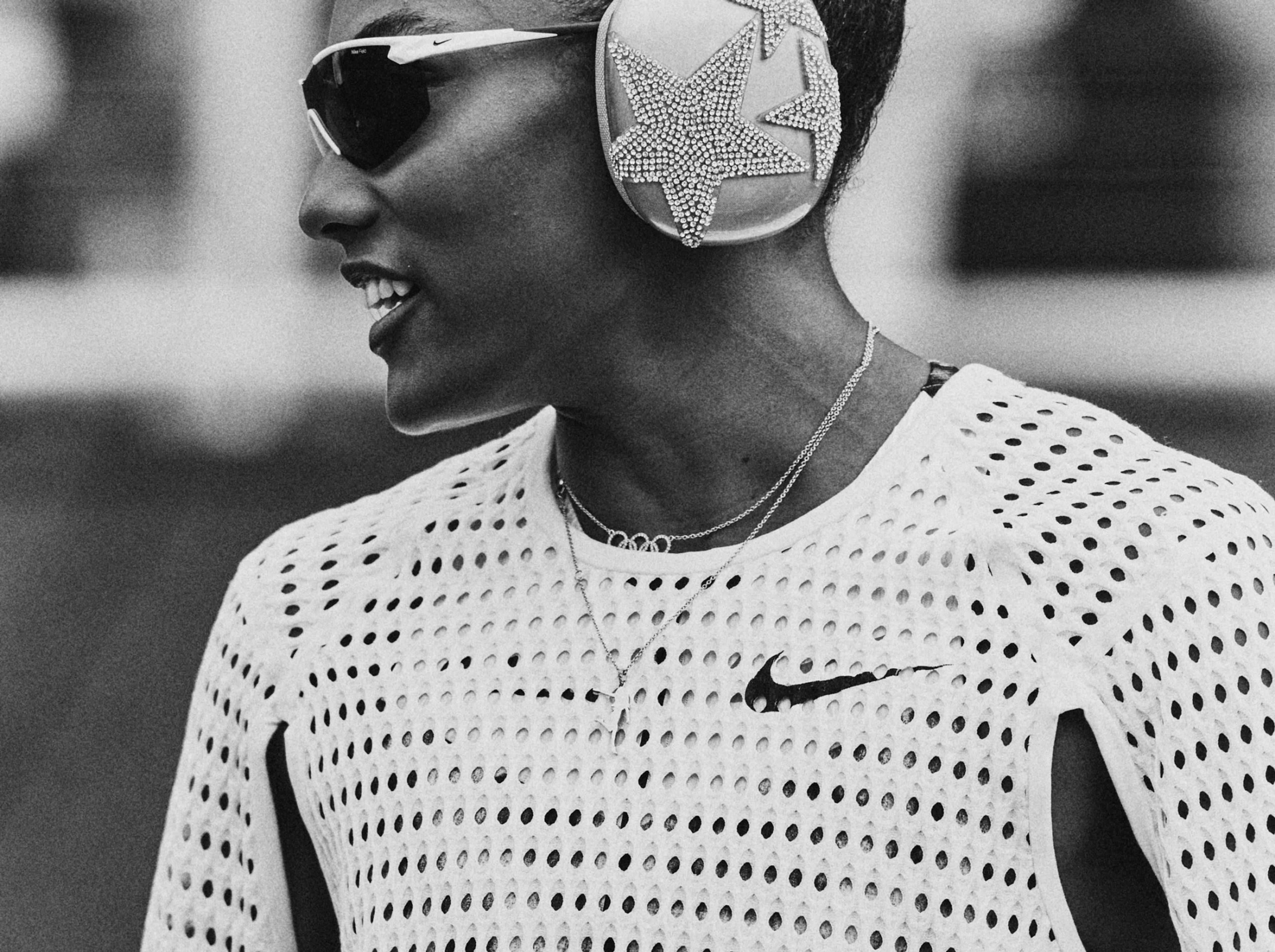
Innovation Meets Style: The One-of-One Radical AirFlow Looks at This Year’s Pre Classic
At the premiere track event, 11 Nike athletes work custom apparel that served multiple purposes: Keep them cool, keep them confident, and unleash their speed.
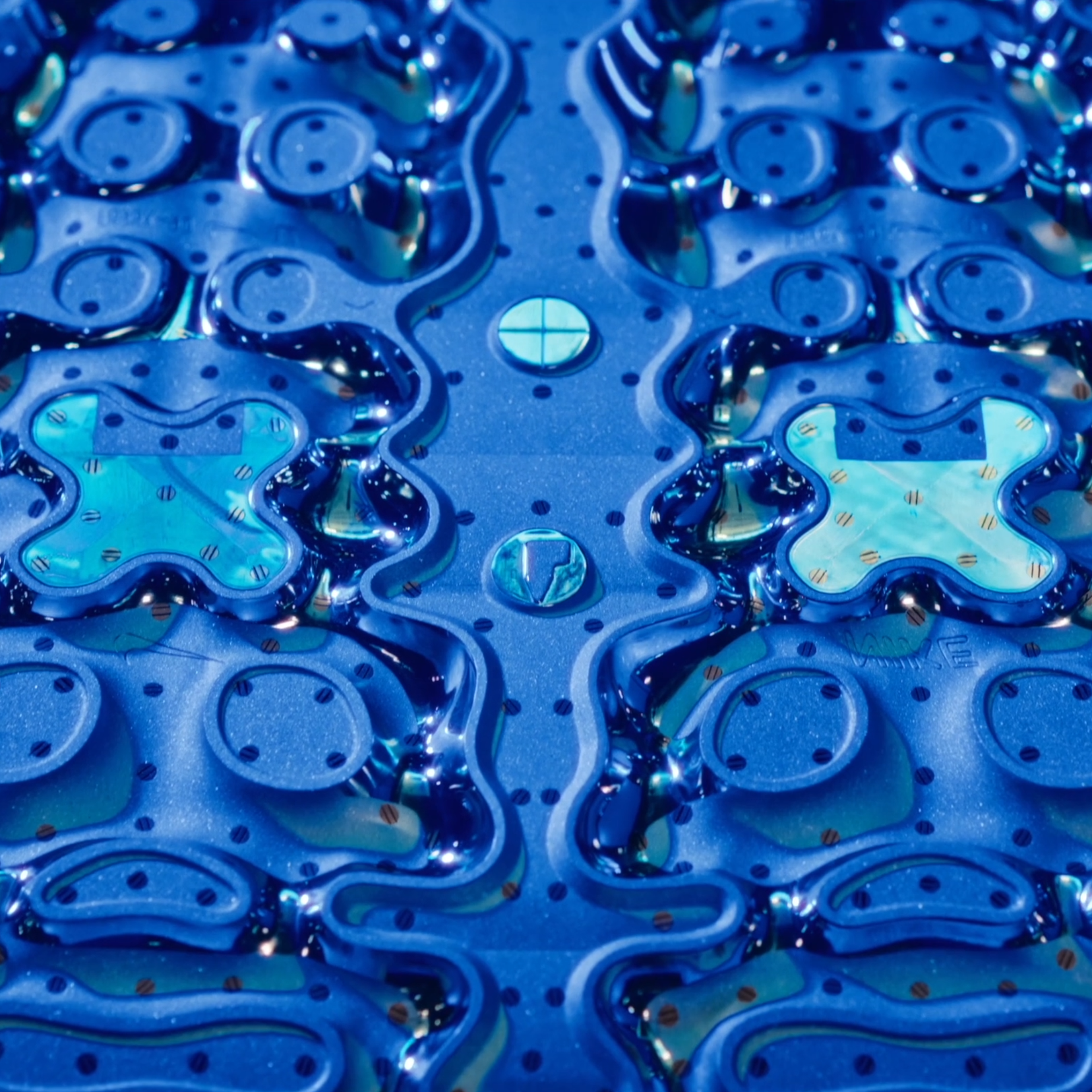
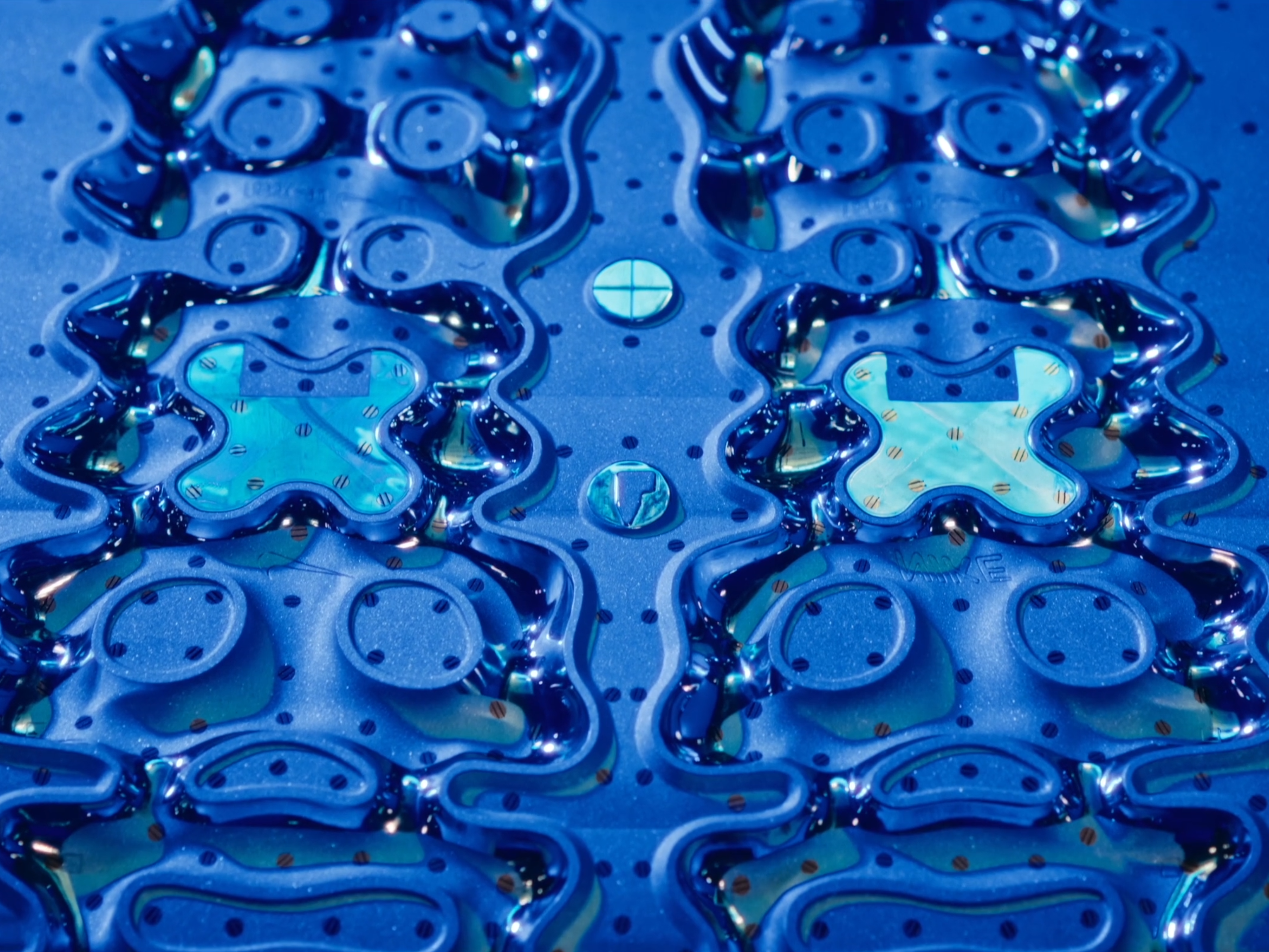
Less Is Max In the Newest Version of Nike Air
Nike Air Liquid Max is the first Max unit to include internal cut-outs. It ushers in an era for the Air Max franchise where precision and complexity go hand in hand.