5 Questions With Memphis Mainstay Willie Gregory
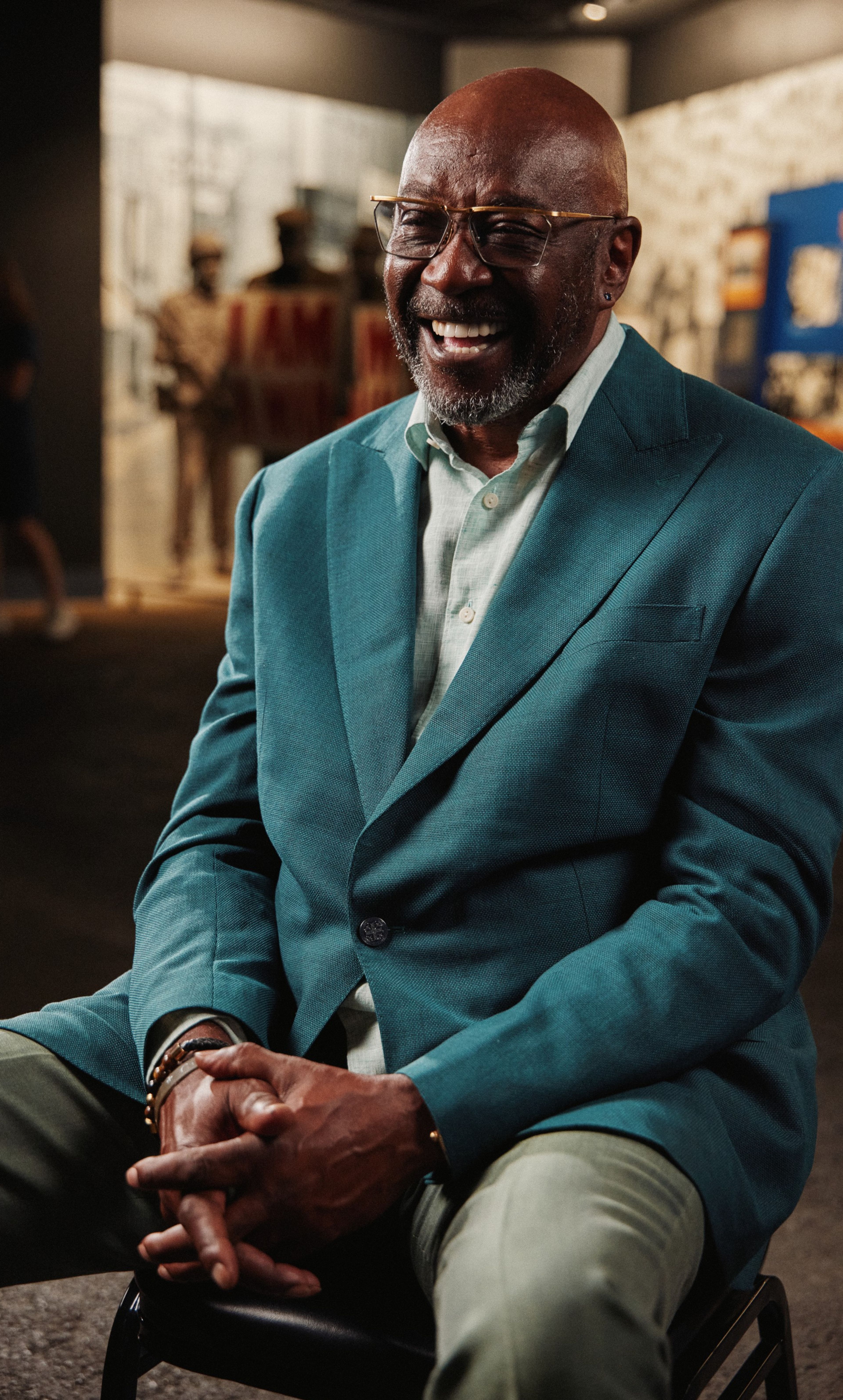

- October 28, 2026
- Words:
From its singular pork ribs and fried catfish to the wailing, rhythmic riffs of rock ‘n’ roll and the blues, Memphis has helped birth American cultural identity and ingenuity.
But it’s also known as the place of an ending. Blocks from bustling Beale Street, on April 4, 1968, a bullet dashed one of our country’s greatest dreamers, a Southern preacher whose words galvanized the world.
Willie Gregory, Nike Senior Director, Community Relations, was a teenager living in Memphis on that fateful evening. The moment changed him. Inside, it sparked something.
In the nearly 60 years since Dr. Martin Luther King Jr. died on a motel balcony near Gregory’s old neighborhood, Gregory has firmly planted roots in the city, on a mission to reshape its narrative.
He has served Nike for more than 30 years from here, working with others to create opportunities for employment and education while developing a reputation as the “unofficial mayor” of Memphis. From sitting on the board of trustees for city museums to serving on the city’s chamber of commerce to his role in bringing the University of Memphis athletics into the Nike family, Gregory’s impact has been immense.
There is so much life in Memphis, Gregory says. It’s important to him that people feel that sense of energy and community while also honoring the past. Which is why he and his Memphis teammates helped launch the Nike Kids 3K, a late-summer race that begins and ends outside the Lorraine Motel, where Dr. King was killed.
The building has since been reimagined as the National Civil Rights Museum, dedicated to telling the story about the injustice Dr. King battled and how that fight has evolved in the years since his death. Today, the museum also serves as a key access point to movement and teamwork for children in the region thanks in part to the efforts of Gregory, who served on the museum’s board of directors from 2002 to 2015.
Gregory joined us recently for a walk to the museum to discuss his city, his mission at Nike and how the company is helping him give back to a community that means so much to him.
When you think about this city, how does it make you feel?
It makes me feel proud to be a Memphian, to be able to have employment that helps me make a difference in the city that I grew up in, a city that gave me so much. It makes me feel good to be able to give something back.
They always say there’s no place like home. And if something goes wrong in your home, you fix it. We’re not perfect, but we’ve got room to fix it. So I want to be a part of the fixing situation.
We have great people in Memphis. We have collaborative people. We have people who want to be guided. We have people who want to give back. One of the big things in Memphis is the community-based organizations. We’ve got great theater, we’ve got great sports, we’ve got great universities, we’ve got an HBCU, LeMoyne-Owen College.
That’s what makes this city great. Do we have a lot of more work to do? Yes. We’ve got to get business, education and government investment all on the same page, then I think there’s more greatness to be seen.
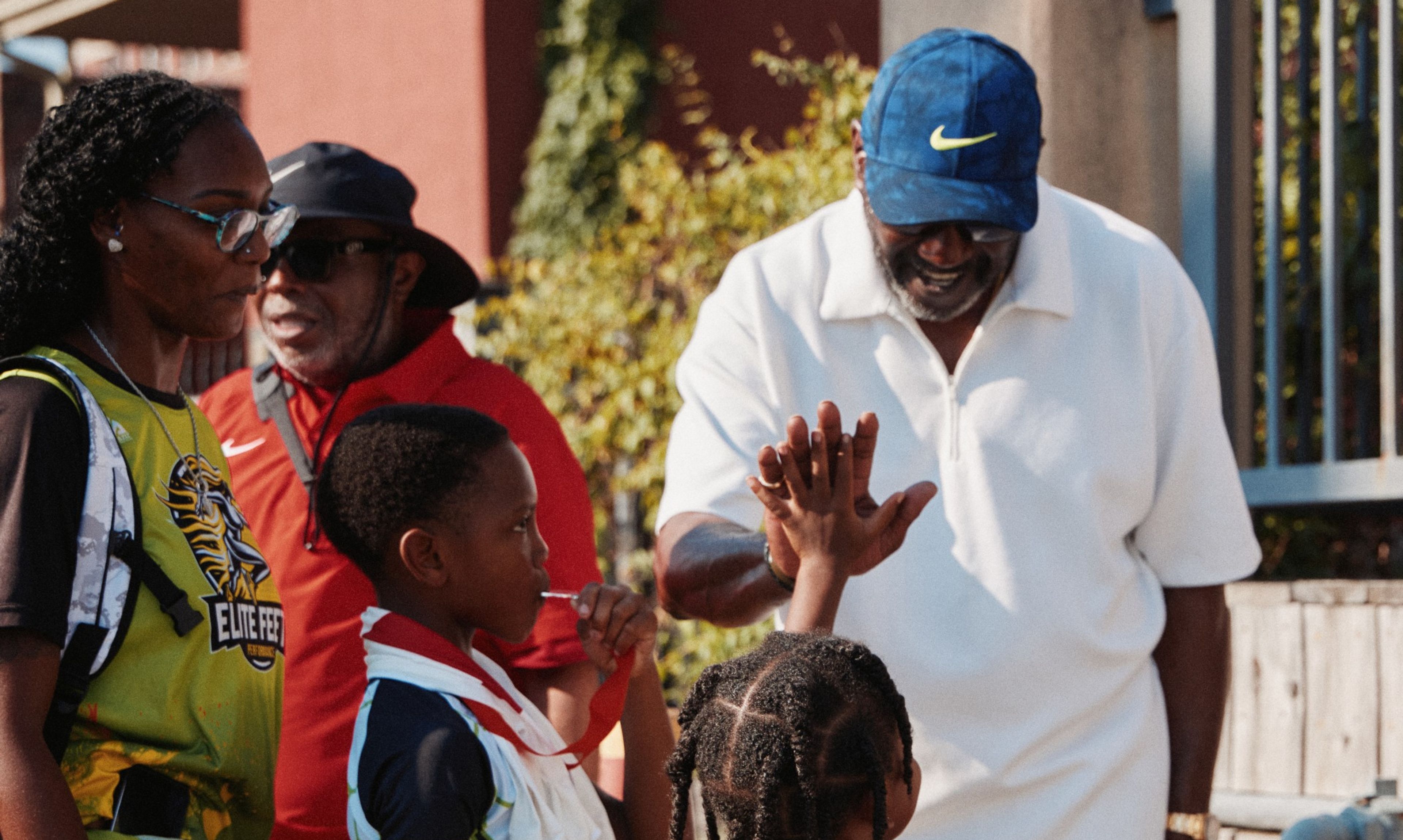
Gregory helped launch the Nike Kids 3K in 2018 and has played a key role in the race ever since. “I really, really get geeked about it,” he tells writer Coley Harvey.
Nike has held its Kids 3K here since 2018, and you were a key member of getting it off the ground. What has the race meant to you?
The thing that’s so enlightening is to see 4-, 5- and 6-year-old kids at the end of the race, and they get an opportunity to visit a historical site in Memphis, the National Civil Rights Museum. To see those young people when they cross the finish line, that means that they’ve accomplished something. And I think that when you start at an early age of having accomplishments early in your life, that trend can continue all the way through adulthood.
I really, really get geeked about it.
“We have great people in Memphis. We have collaborative people. We have people who want to be guided. We have people who want to give back.”
Willie Gregory, Nike Senior Director, Community Relations
How do you think Nike is making a difference here in Memphis?
We’re trying to make sure that we are great corporate citizens. The legacy of Nike, the beginning of Nike, is running. That’s the big thing. In this race, you will see a number of Nike employees who are giving back. They’re out here volunteering. They’re being a part of the community. A lot of them bring their kids, their nieces, their nephews, their sisters, their brothers. That’s the part that really, really excites me and I think excites a lot of other people too.
Nike also contributes to education. Nike has a college degree program with the University of Memphis called Lane Four. Nike pays 100 percent of our employees' college tuition, and they’re not compelled to work for Nike after they get a degree. We want to make sure that we pour into the community and the city, and we think that education is one of the ways that we can.
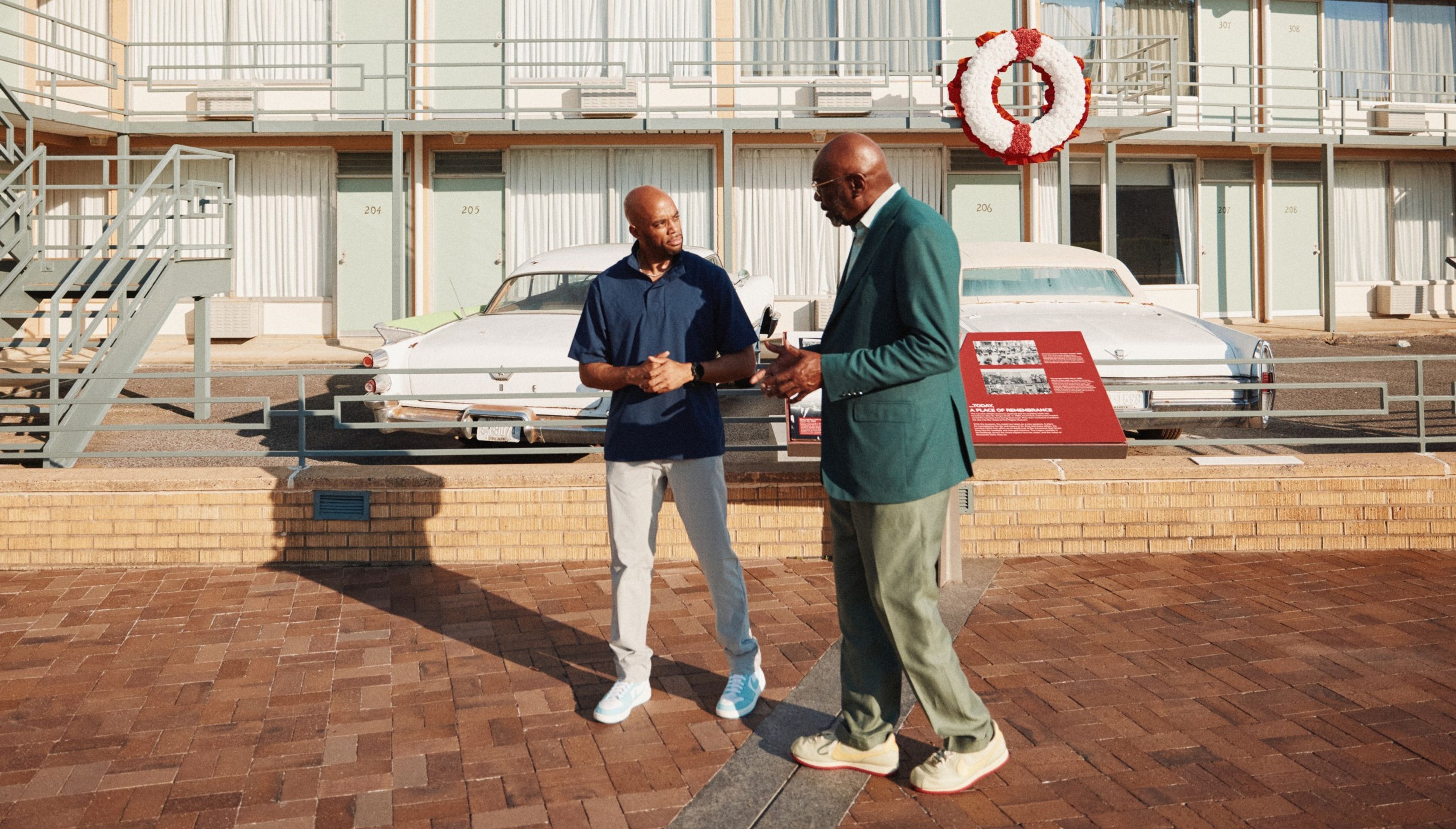
Gregory says he feels an “uneasiness” entering the National Civil Rights Museum. “Dr. King said, ‘I’ve been to the mountaintop.’ Where we are today, if we’re not careful, we won’t reach the top.”
This city has such a civil rights legacy. You were born and raised here. You were in high school on April 4, 1968. Tell me about that day, and what do you feel when you look at Room 306 today?
We had just finished track practice. Me and some of my track partners ran down here, and there was complete chaos. I looked up and saw 306 and said: “That’s where they tried to stop the dream.” But I don’t think it was successful. I think that what they did was accelerate the dream.
Now I tell people, “Come, take a good look, process it, understand what happened.” You just envision why he was here. Dr. King was here because he wanted to stay at a hotel that was owned and operated by Black people, the Baileys. When I look up there and I see that wreath, I can say this is what really ignited us to get to where we are. It was part of the dream that Dr. King had.
What our city needed was people who could pull together, collaborate and have an opportunity to heal. I wanted to be a part of that healing process, and I still want to be a part of the process. We’ve got a long way to go, but I’m just so proud to work for a company that gave me the opportunity to come home and to give to the community and the city.
If he gave his life for equality, then I certainly can give what I can to maintain that fight for equality. And it’s still a fight for equality now.
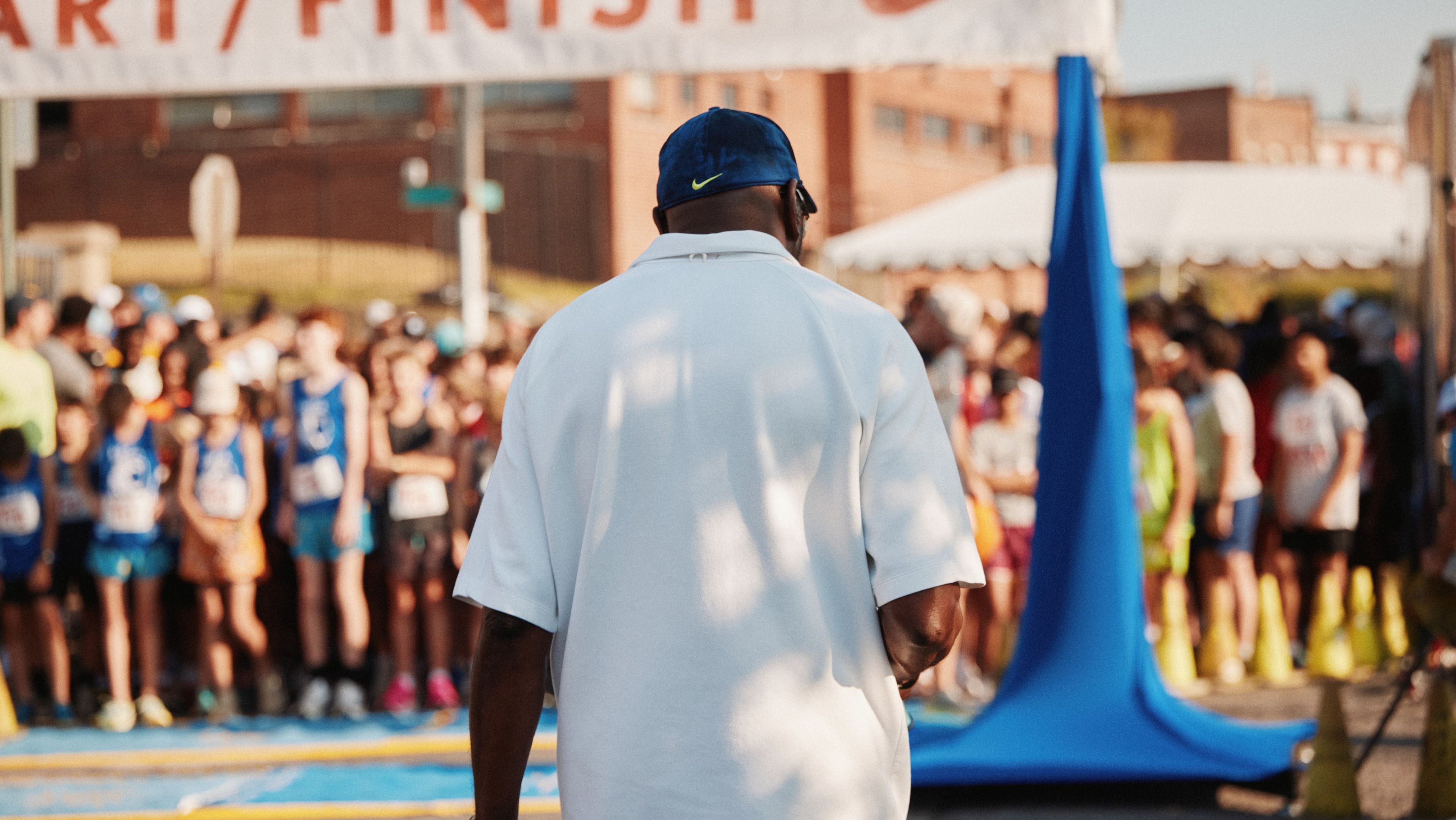
Visiting the National Civil Rights Museum after the Nike Kids 3K has helped Memphians feel “enriched and enlightened,” says Gregory. “They ran together, and now they are learning something together.”
Why is it so important for Nike to have a relationship with the National Civil Rights Museum?
Because this is where our teammates live, work, their kids play, they raise their family. We want them to have an environment that is both safe and educational.
This relationship with the museum was garnered back when Nelson Mandela received the Freedom Award in 2000, and Phil Knight came down from Oregon and gave it to him. So that built what I hope is a continual, long-lasting relationship with Nike and the Civil Rights Museum because one of the co-founders came here and gave the award to President Mandela. And the speech that he made that night, which I still have a copy of, made every Nike person that was employed here proud.