Foundational Expectations and Code of Conduct
We believe a world-class responsible supply chain is built on standards that uphold respect for people and human rights, foster healthy and safe workplaces, promote ethical business practices, and support environmental stewardship throughout our value chain. We set clear, foundational expectations for suppliers to be in compliance across all standards of our NIKE, Inc. Facility Code of Conduct (Code) and Code Leadership Standards (CLS).
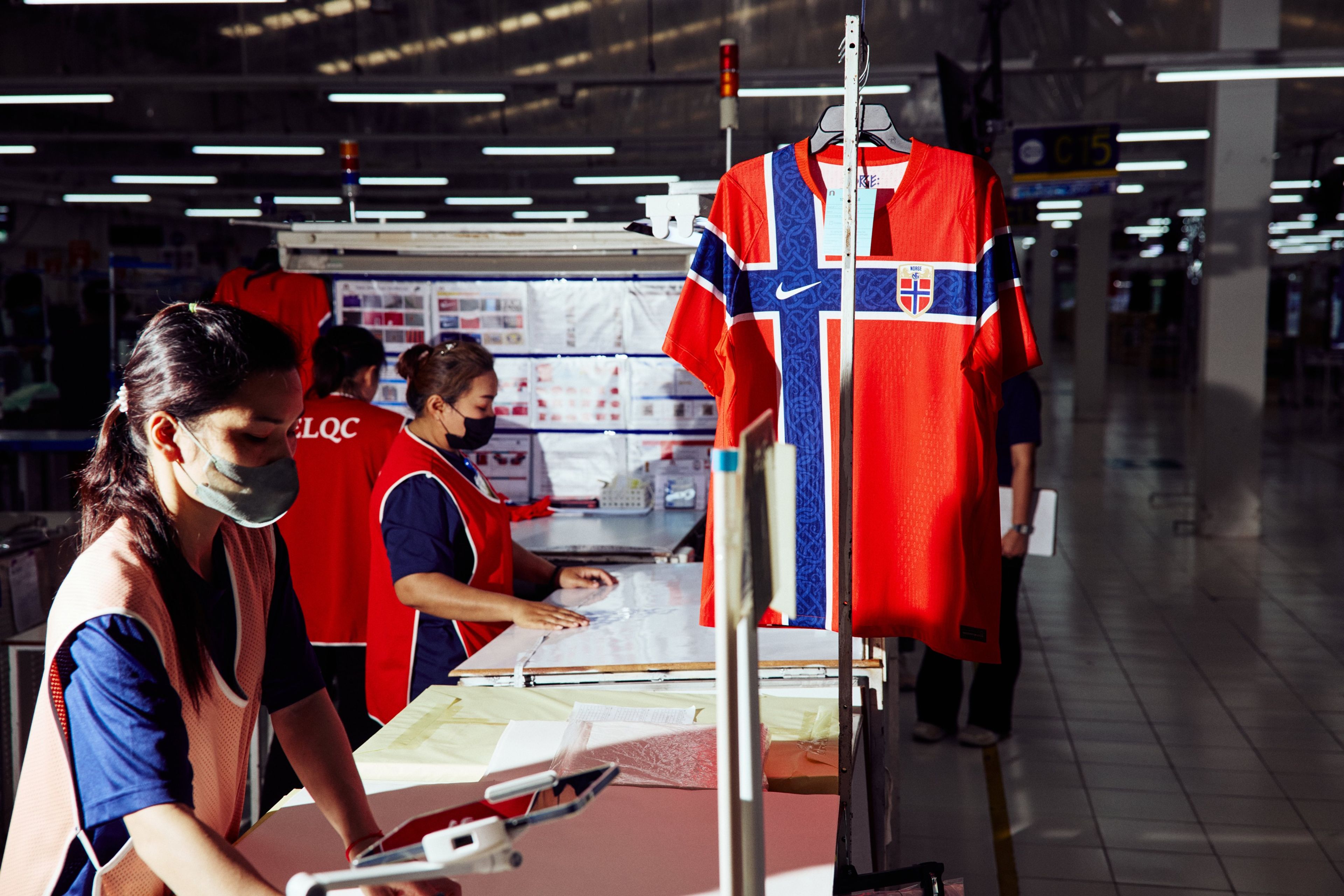
We expect all facilities to respect the rights of workers and advance their welfare, with particular care for people with unique vulnerabilities such as women, migrants and temporary workers. To understand and manage human rights risks and their impacts, NIKE, Inc. looks to the Universal Declaration of Human Rights, the International Labour Organization’s Declaration on Fundamental Principles and Rights at Work, the U.N. Guiding Principles on Business and Human Rights and the OECD Guidelines for Multinational Enterprises. We also expect suppliers to focus on areas such as emissions reduction, waste elimination and protection of natural resources.
As part of NIKE, Inc.’s enterprise strategy, we seek facilities that are building agile and resilient management systems that enable them to drive long-term business growth, cultivate an engaged and valued workforce, foster a strong culture of safety and minimize their environmental impacts.
At NIKE, Inc., we believe that while there is no finish line, there is a clear starting line. The NIKE, Inc. Code and CLS lay out the minimum standards we expect facilities to meet. We regularly evaluate and update these standards to strengthen protections for workers, address evolving labor, health, safety and environmental risks and align with industry best practices.
These minimum standards are integral to NIKE, Inc.’s supplier strategies, in particular how we evaluate baseline performance and determine the suppliers with whom we will continue to engage as we grow our business. We work with suppliers that share our focus on the welfare of workers, use natural resources responsibly and efficiently, manage their businesses more responsibly and sustainably, and seek to move beyond minimum standards.
In FY20, we expanded the scope of our compliance program to include Tier 2 materials suppliers and distribution centers and transitioned from proprietary assessments to more efficient industry-converged tools. As facilities adapted to new assessment methodologies, processes and expectations, and as we started assessing a number of facilities for the first time, we saw an initial decline in overall compliance rates. In response, we implemented targeted remediation and capability-building programs to help suppliers strengthen management systems, address identified gaps and improve performance over time.
As a result, we closed out FY25 with 90 percent of facilities in our extended supply chain meeting NIKE, Inc.’s foundational labor, health, safety and environmental standards. Having these programs in place is incredibly helpful as we look to expand this program in the future to new suppliers.
We look to recognized industry assessments to monitor facility compliance, making the shift away from proprietary assessments to minimize audit fatigue for facilities. The Social and Labor Convergence Program (SLCP) is a pioneering initiative that seeks to develop an aligned and effective industry-wide way to assess labor, health and safety conditions in facilities, with the goal of replacing current proprietary audit tools used by individual brands. In facilities working with multiple brands, this reduces the number of audits, increases industry efficiency, reduces audit-related costs and allows participating organizations to invest previously designated resources for compliance audits into the improvement of working conditions. It is also a step in the direction of enabling a more collaborative approach to address risks and opportunities in the industry.
A similar approach is taken by Cascale and the Higg Facility Environmental Module (Higg FEM) which is an industry converged tool assessing environmental performance. NIKE, Inc. accepts both verified SLCP assessments and verified Higg FEM assessments as well as ZDHC Wastewater tests to demonstrate compliance.
We are also a member of Better Work and accept Better Work assessments. For suppliers that participate in the Better Work program, remediation is also supported through Better Work’s model, which centers on sustainable improvement through social dialogue, advisory services, brand alignment, and continuous improvement.
NIKE, Inc. co-led the development of the Zero Discharge of Hazardous Chemicals (ZDHC) Wastewater Guidelines, a collective effort of all member brands in the ZDHC Foundation to continuously work to improve wastewater discharges. Through the power of pre-competitive collective action, two wastewater tests per facility against the ZDHC Wastewater Guidelines are valid for all member brands of ZDHC.
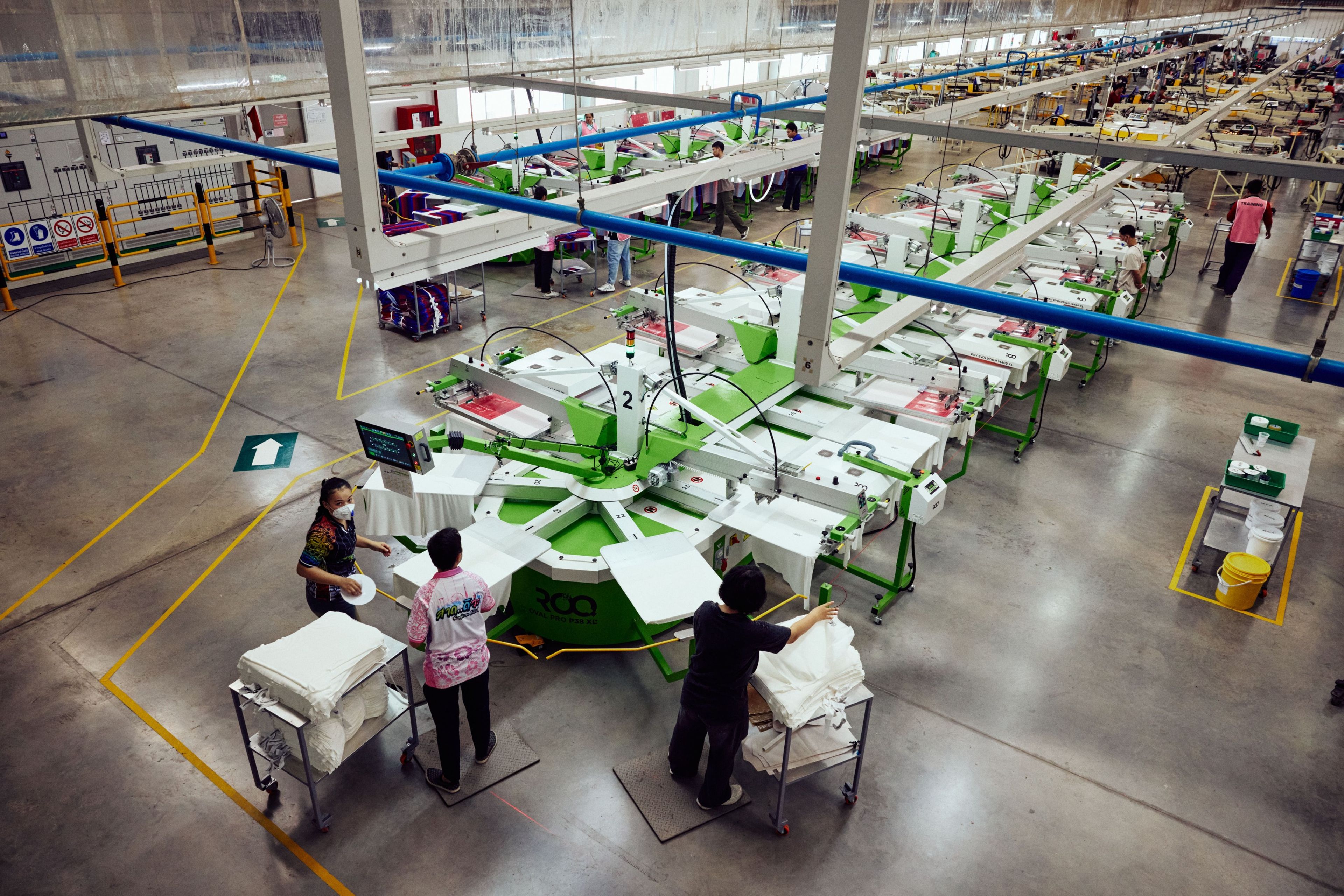
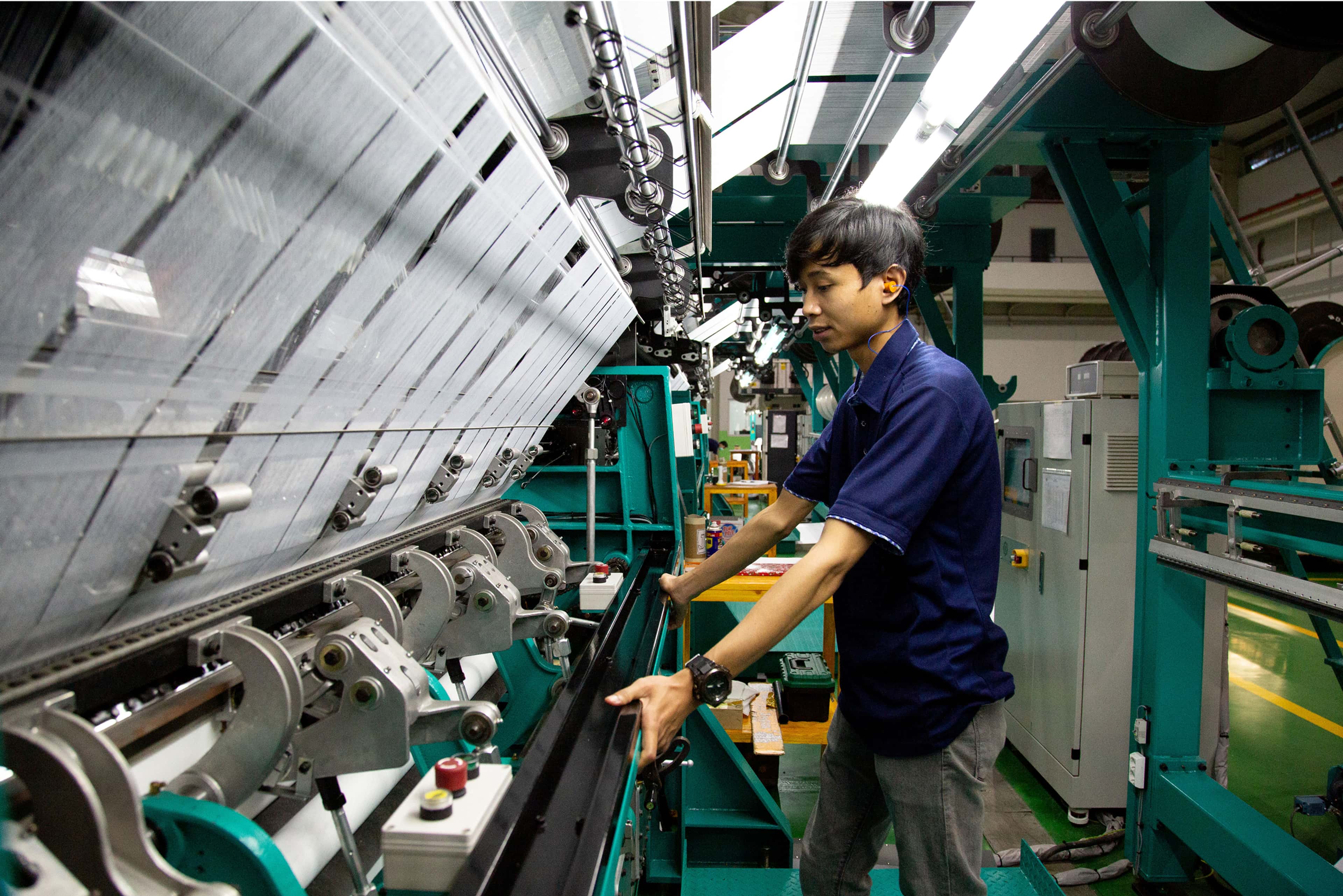
NIKE, Inc.'s Code Leadership Standards sets the foundation for our chemistry strategy. Based on the Code, all suppliers must properly manage chemistry and apply solutions that help meet our Restricted Substances List (RSL) and ZDHC Manufacturing Restricted Substances List (MRSL) requirements. We continue to support and drive the development of transparent guidelines, tools and training programs within our industry through work in groups such as the Apparel and Footwear International RSL Management (AFIRM) and Zero Discharge of Hazardous Chemicals (ZDHC). Together, these programs continue to accelerate our vision of advancing cleaner chemistry to serve athletes.
NIKE, Inc. recognizes that relationships based on clarity and mutual respect are integral to our focus on our vision of a more resilient and responsible supply chain. This vision requires collaboration and joint action with facilities, other brands, and all stakeholders in the shared global supply chain. We will continue to partner with suppliers as we engage with civil society, governments, worker representatives and other stakeholders to help drive systemic improvements in labor, health, safety and environmental conditions across the communities where suppliers operate.
We conduct internal and external third-party audits to assess compliance with NIKE, Inc.’s requirements and applicable laws across Tier 1 finished goods suppliers, Tier 2 materials suppliers, Air Manufacturing Innovation facilities and distribution centers. To date, we have deployed industry assessments to all applicable, in-scope* facilities. We also continue our focus on targeted risk areas through unannounced facility audits.
We disclose manufacturing facilities publicly in our NIKE, Inc. Manufacturing Map, an interactive map of facilities which was first published in 2005 and is updated quarterly.
*In-Scope Facilities include: Finished Goods Suppliers: 100 percent finished goods suppliers (AP, FW, AC); Materials suppliers: Suppliers representing approximately 90 percent of total footwear upper materials and apparel textiles production, focus distribution centers (DCs) representing at least 80 percent of volume; and our NIKE, Inc. owned and operated Air Manufacturing Innovation (Air MI) facilities.
All potential new Tier 1 finished goods suppliers are subject to the New Source Approval Process. Suppliers must receive an overall Bronze rating, our minimum standards, prior to beginning full production.
For SLCP, Higg FEM, and BW programs, the assessment process begins with a facility-completed self-assessment, which supports ownership of compliance and performance management at the facility level. The completed self-assessment is then reviewed and verified by an approved Verifier through a structured verification process. This includes a facility tour or walkthrough, confidential and appropriately sampled worker interviews, management discussions, and document and records review. The verification process is designed to confirm the accuracy and credibility of the facility’s responses, create a reliable data set that can be shared with multiple stakeholders, and reduce duplicative audits while enabling brands and facilities to focus resources on continuous improvement.
NIKE, Inc. takes concerns about non-compliance seriously. If we identify an issue of non-compliance with our Code or CLS within a facility, we work collaboratively with them through targeted remediation programs designed to address underlying issues and strengthen management systems. These programs provide tailored support based on facility needs, helping suppliers build the capabilities required to remediate issues, sustain improvements over time and better manage labor, health, safety and environmental risks. Should a facility fail to remediate concerns identified by an assessment, audit or allegation investigation according to NIKE, Inc.’s requirements, it is subject to review and sanctions, including potential termination of the supplier.
In the event that the relationship with an existing facility is terminated, either resulting from poor sustainability performance or other reasons, NIKE, Inc. begins its responsible exit process. This includes evaluation of the risks to NIKE, Inc., the workers, local community and environment associated with the upcoming divestment.
This process also includes a reduction in production orders over a determined length of time to minimize disruption to a business and workers to the extent possible. In higher-risk situations, multi-stakeholder working groups are assembled to develop and monitor an exit plan designed to manage the risks identified with the divestment.