This Science-Backed Sports Comic Is Made to Better Your Mental Health

- March 31, 2026
- Words:
For most of his life, John Rattray didn’t spend much time thinking about neuroscience. He was too busy skateboarding.
As a professional athlete in Encinitas, California, Rattray built his career inside the restless rhythm of skate culture — for 12 years, he traveled, filmed and chased the next session.
But as injuries mounted and his pro career grew more uncertain, he began reflecting on the experiences that shape us.
There was something about skateboarding that had provided a kind of foundation — not just for him, but for others around him.
He wanted to know why.
Now, years later, Rattray’s curiosity has culminated in Your Brain on Sport (YBOS), a comic series that explores mental health and brain science through stories that young athletes can relate to.
Developed with trauma experts and Nike researchers, the comic translates complex neuroscience into simple narratives that help athletes better understand stress, emotional regulation and well-being.
“My attempt with the comic is to encapsulate these ideas into cool little stories where you learn one small concept at a time,” says Rattray. The goal is to break these concepts down into bite-size pieces, he says, and gently direct your mind. “I hope to deliver some clarity on how your brain and your nervous system work together and how you can use physical movement as one tool in your therapeutic toolkit.”
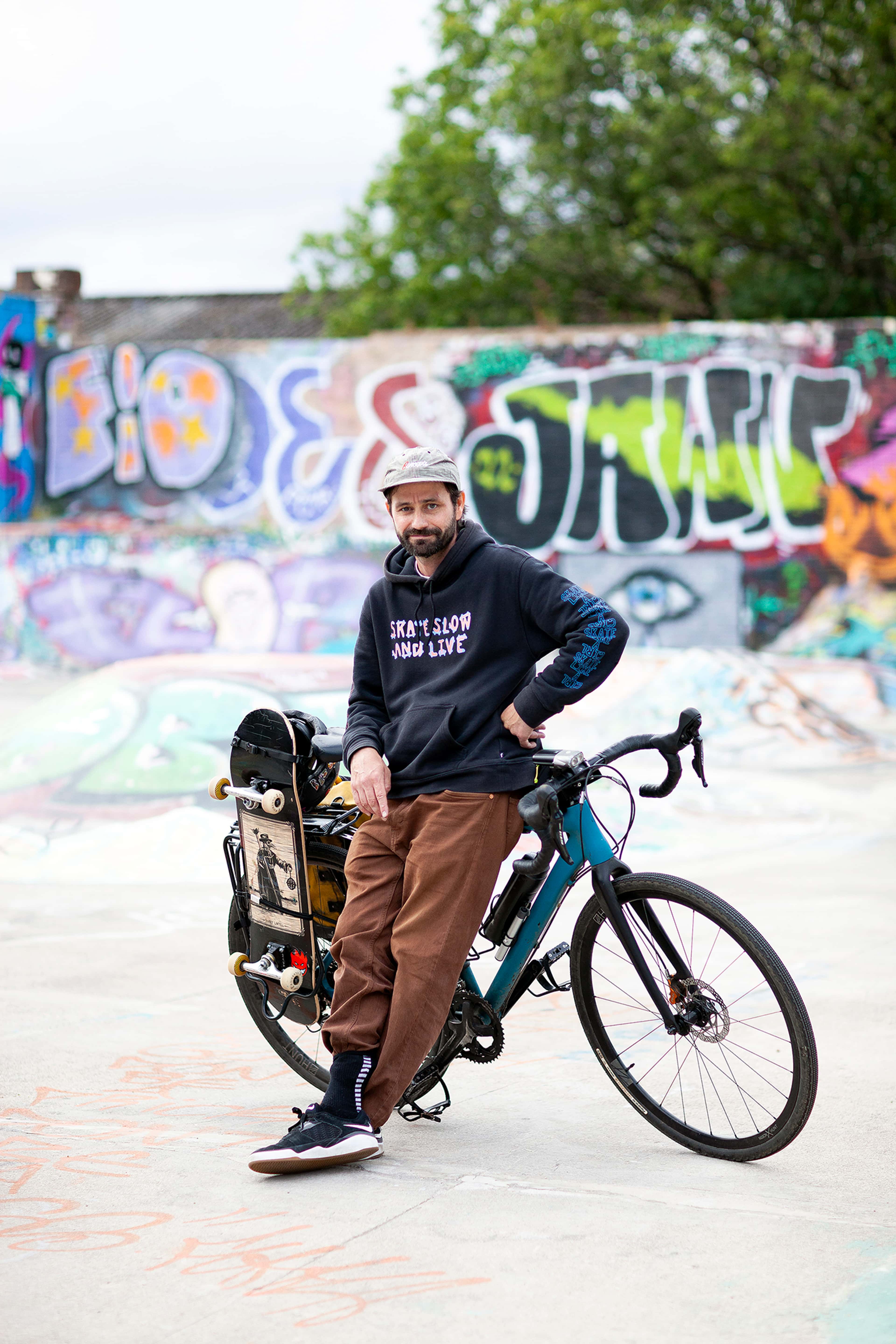
Former pro skater John Rattray worked with trauma experts and Nike researchers to develop “Your Brain on Sport,” a comic series that explores mental health and brain science.
“My attempt with the comic is to encapsulate these ideas into cool little stories where you learn one small concept at a time. I hope to deliver some clarity on how your brain and your nervous system work together and how you can use physical movement as one tool in your therapeutic toolkit.”
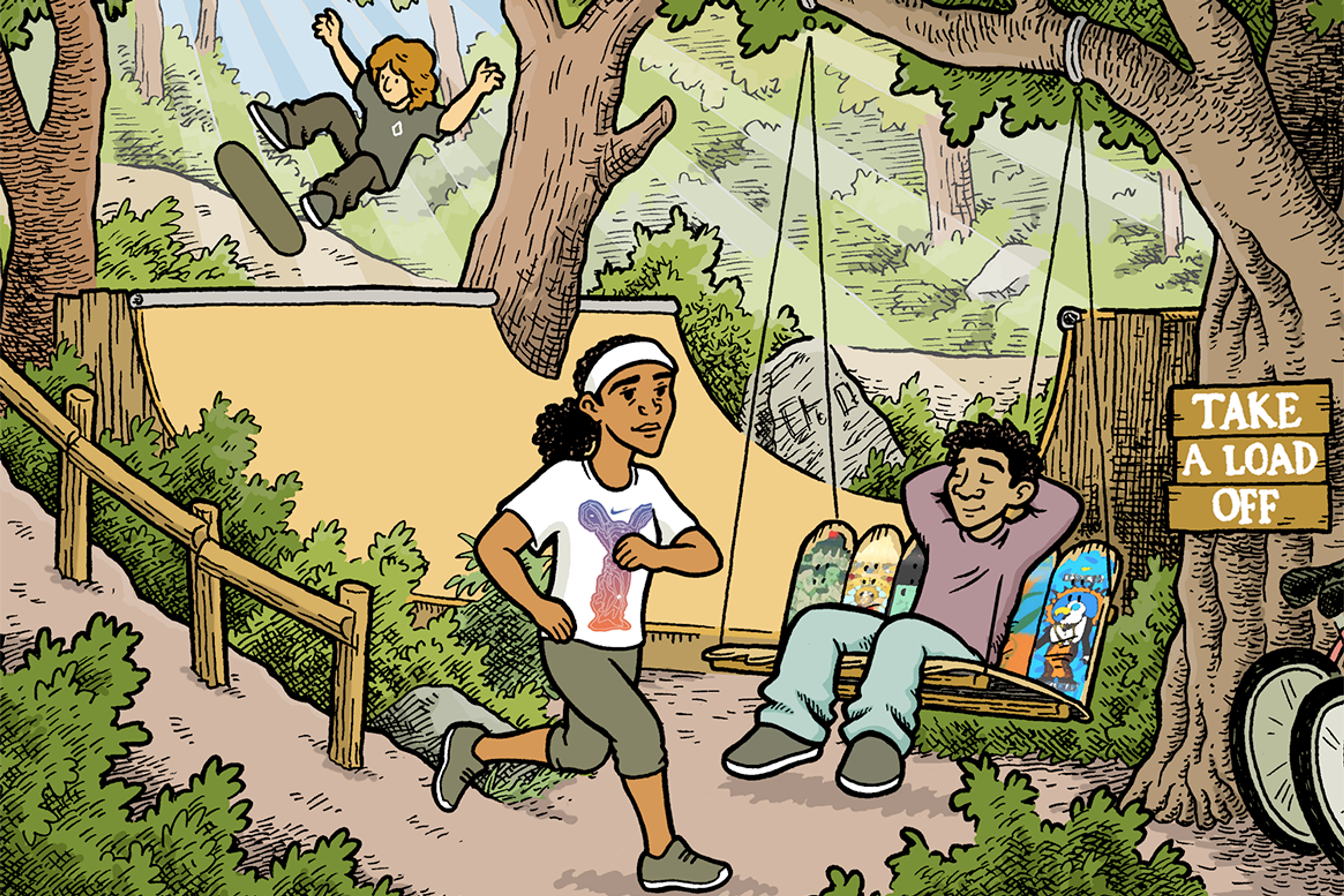
With sketches by skate artist Jon Horner and writing by Rattray; youth counselor Joel Pippus; and neuroscientist Bruce Perry, PhD, MD, Nike SB now hosts two digital editions of the series so far: Regulation of Running and Healing Through Hoops.
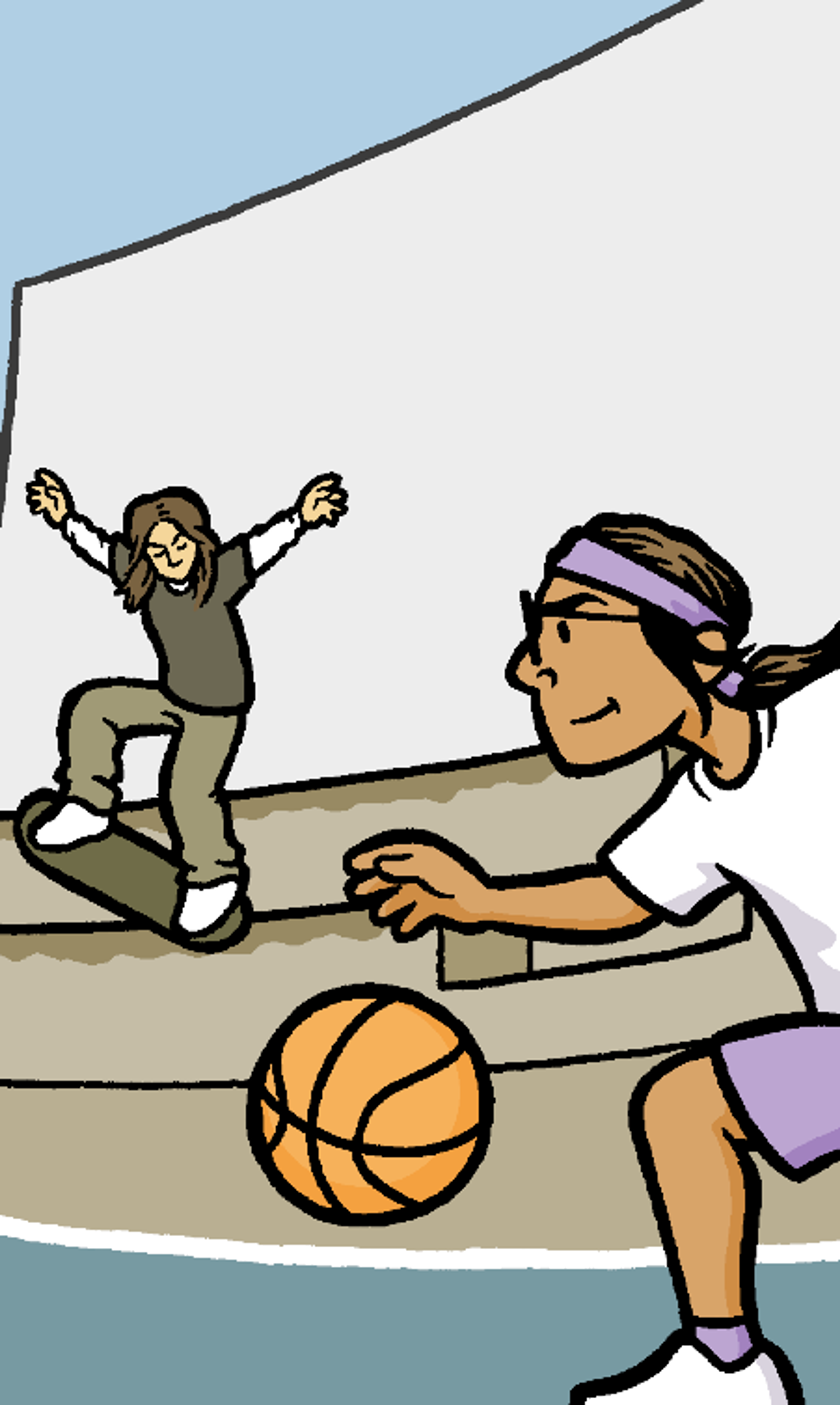
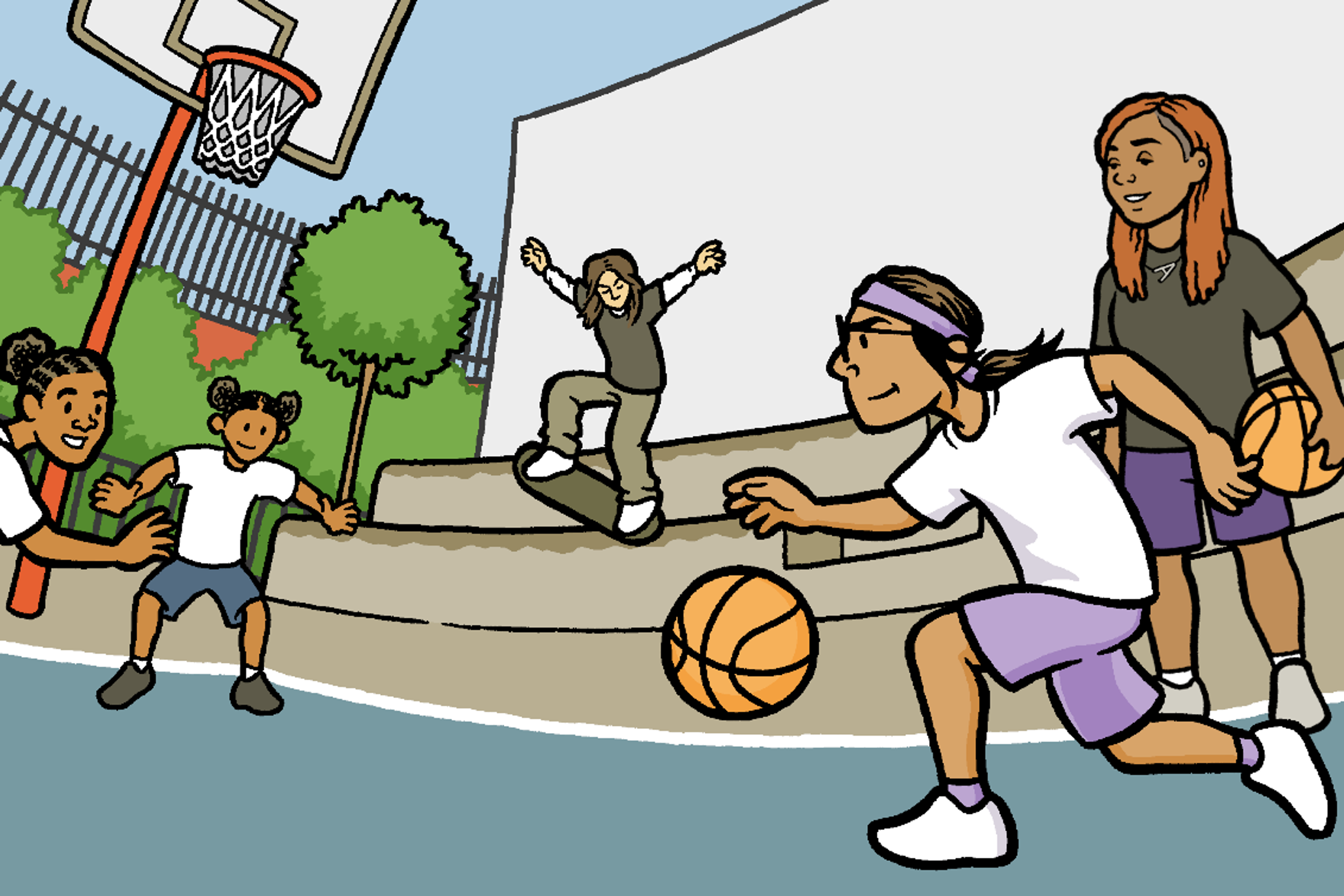
In the latter edition, Nike SB skateboarder Nicole Hause reflects on her own experience navigating depression and therapy. The chapter, which also features Chicago-based youth basketball organization Girls in the Game, examines how physical movement can help interrupt emotional spirals and bring your nervous system back into balance.
While it may seem counterintuitive, Hause says that skateboarding isn’t always the activity she turns to when she’s feeling down.
“When you’re a pro skater, sometimes skating can come with a lot of pressure,” she explains. “There’s this expectation you have of yourself, like you have to skate like a pro every day. If I’m already having a rough day, doing something simpler, like shooting hoops, helps me clear my mind. I don’t get as upset if I don’t make a basket as if I don’t do a skate trick. It helps me get in my body more and less in my head.”
That insight is the starting point for the story, which illustrates how choosing a different activity can sometimes help your body shift gears and reset. The importance of the message — along with the opportunity to collaborate with Rattray — made the decision to participate an easy one for Hause.
“John is a skate legend,” she says. “When I heard about the project, I instantly wanted to get involved.”
“Your Brain on Sport”
The path to YBOS, however, began decades earlier.
Rattray grew up in Aberdeen, Scotland, an oil town on the Northeast Coast, in a household shaped by addiction and instability. His father struggled with severe alcoholism, and life at home could be chaotic and unpredictable.
Skateboarding became a lifeline. Within the skate scene, Rattray found what he now describes as a “consistent crew of young creatives” — a community that offered stability when little else did.
“I don’t know where I would be if I hadn’t found skating,” he says.
When Rattray was 13, his father died. By then, skating had already begun to anchor his teenage years. At the time he didn’t think about it in neuroscientific terms, he simply knew that being on a skateboard with friends made life feel more manageable.
Years later, in 2011, Rattray’s sister Katrina died by suicide. In that painful aftermath, he began to think more deeply about why skateboarding was a safe haven. He read about trauma, the nervous system and the long-term effects of childhood adversity. It was during that search that he encountered the work of Dr. Perry, who would later help write the comic.
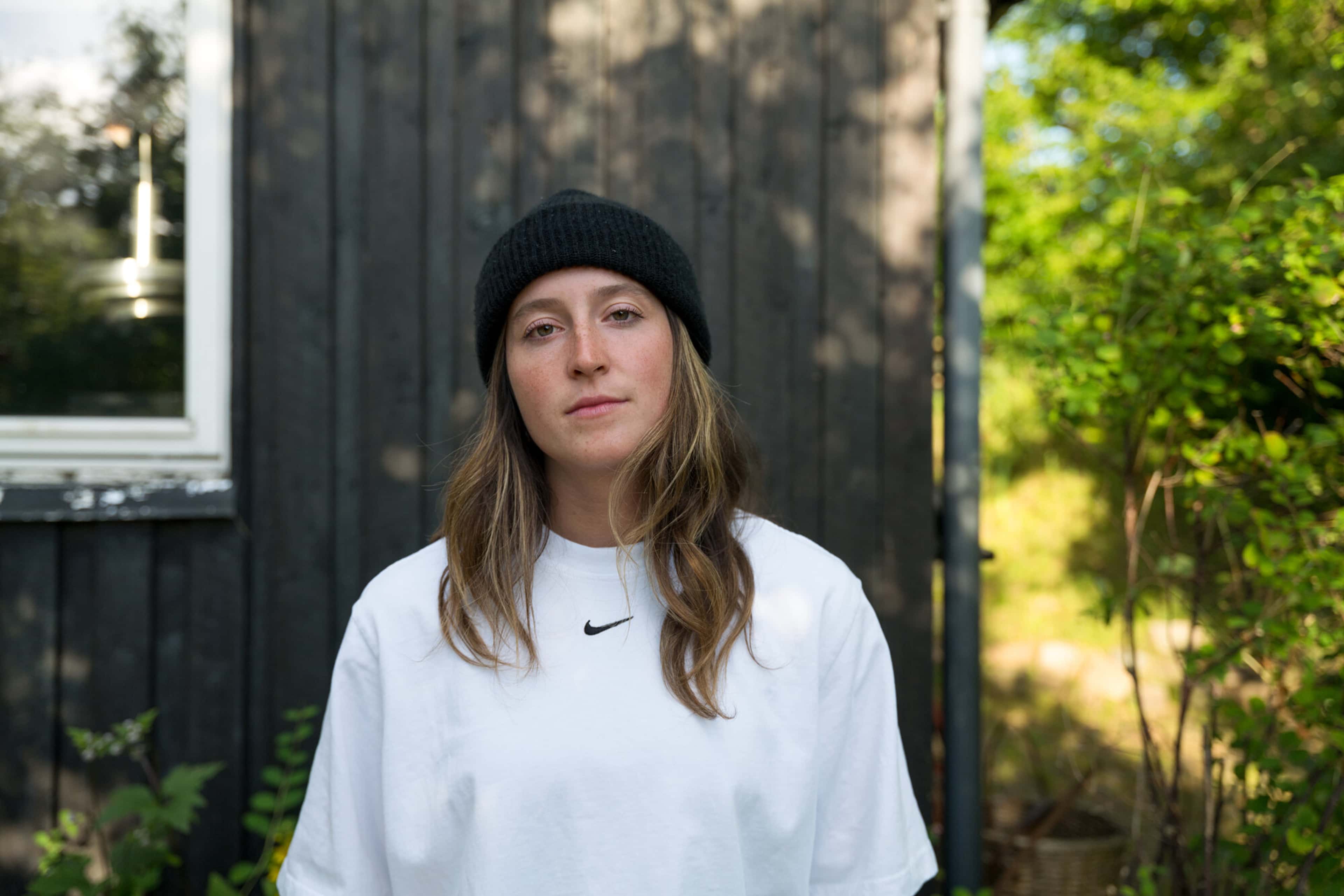
Nike SB skateboarder Nicole Hause was featured in the “Healing Through Hoops” edition, reflecting on her own experience navigating depression and therapy.
“If I’m already having a rough day, doing something simpler, like shooting hoops, helps me clear my head. I don’t get as upset if I don’t make a basket as if I don’t do a skate trick.”
Nicole Hause, Nike SB skateboarder
Reading Dr. Perry’s book What Happened to You?, Rattray was introduced to something the neuroscientist called the “neurosequential model” — a framework that connects early life experiences, stress and the body’s regulatory systems.
The discovery was a light-bulb moment.
For the first time, Rattray had language for patterns he had seen throughout his life; the chaos of his childhood, the emotional weight carried by his family, and the reason skateboarding had provided such a powerful sense of stability.
“Why did nobody tell me about this?” he remembers thinking. “Because this explains everything I’ve experienced.”
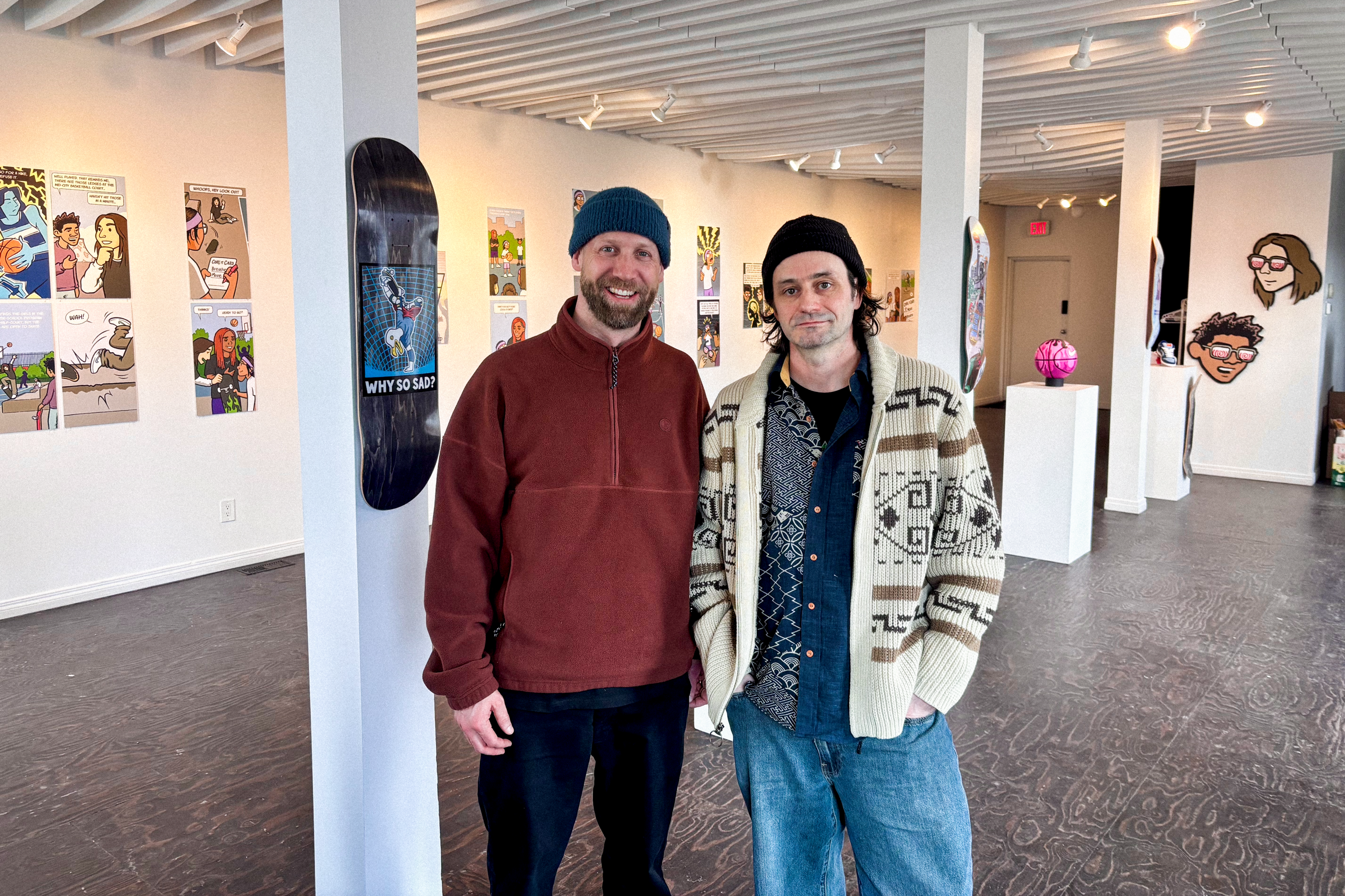
Rattray (right) and Push to Heal youth counselor Joel Pippus attended a recent art show in Calgary, where a print version of the “YBOS” second edition was distributed.
“Rhythm supports regulation. That’s one of the ideas that resonates most strongly with athletes.”
Brett Kirby, Nike NSRL Senior Principal Scientist
Today, Rattray’s comic series is serving as not only a storytelling device but also a learning tool connected to Dr. Perry’s Neurosequential Model in Sport (NM-Sport), which applies his research to athletic environments.
Among key concepts is how the brain responds to stress and how, in the right doses, challenge can actually help build resilience.
“One of the most important things to understand about the brain’s stress systems is that moderate, predictable stress can actually strengthen them,” explains Dr. Perry. “That’s what training is in sport. You’re exposing the body to manageable challenges so it can adapt.”
In that sense, he says, sport offers something many traditional mental health interventions cannot: repeated opportunities to experience challenge, regulation and recovery within a supportive community.
“If a kid is part of a team,” says Dr. Perry, “they’re going to have many more opportunities for healing experiences than if they just see a therapist once a week.”
Movement itself also plays a critical role. Patterned, rhythmic activities — walking, running, skating or dribbling a basketball — send signals through the nervous system that can help regulate emotional states.
Brett Kirby, Nike’s Senior Principal Scientist at the Nike Sport Research Lab (NSRL), was part of an early training group for the NM-Sport program, connecting Dr. Perry’s concepts to the way Nike thinks about athletic training and performance environments.
“Rhythm supports regulation,” says Kirby. “That’s one of the ideas that resonates most strongly with athletes.”
In the first edition of the comic, Regulation of Running, Kirby helped translate those principles, examining how cadence and repetitive movement can help athletes settle their nervous systems.
Running, explains Kirby, naturally creates the kind of rhythm the brain responds to.
“When we’re training athletes physically, we think in terms of dosing — predictable, moderate exposures that allow the body to adapt,” he says. “The same principle applies to stress and emotional experiences. You prepare for those moments in similar ways.”
The idea that sport can serve as both performance training and emotional regulation sits at the heart of YBOS.
In his work, Dr. Perry has found that translating neuroscience into everyday language is notoriously difficult — one of the reasons he is so enthusiastic about Rattray’s comic series. When the former pro skater shared early sketches, the neuroscientist says he was “stunned” by how clearly the ideas came through.
“He translated these concepts more accurately than most people I’ve worked with for years,” says Dr. Perry. “Making complex ideas accessible is incredibly hard, and he managed to do it in a way young athletes can actually connect with.”
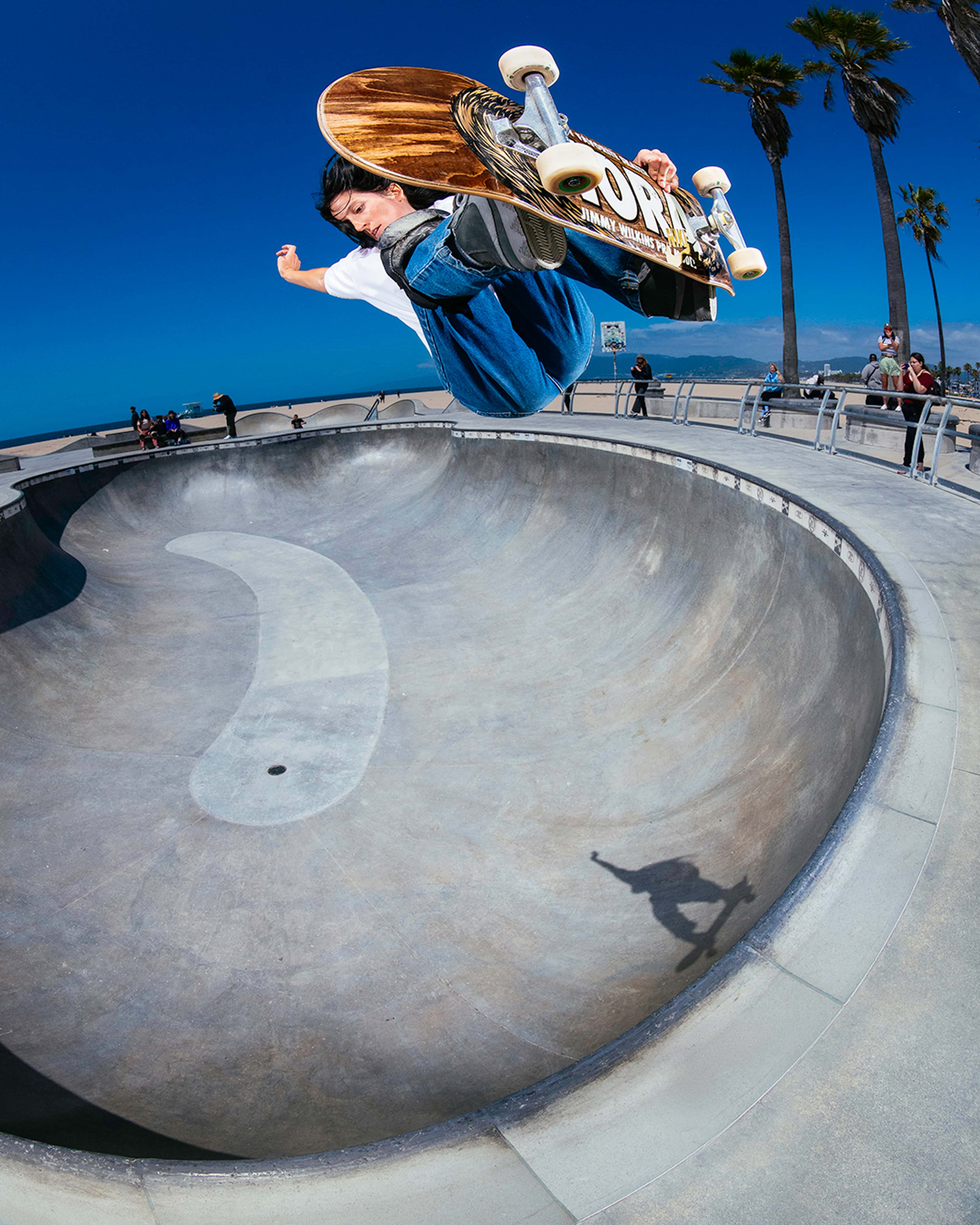
“When you’re a pro skater, sometimes skating can come with a lot of pressure,” explains Hause. "There’s this expectation you have of yourself, like you have to skate like a pro every day.”
“This project gave me an opportunity to be vulnerable — and maybe that’ll help somebody else.”
Nicole Hause, Nike SB skateboarder
The YBOS initiative grew out of a broader project of Rattray’s called Why So Sad?, which uses skateboarding as a platform to raise awareness about depression and suicide prevention. The effort has included community events, storytelling and previous comic collaborations designed to open conversations about mental health within skate culture.
Both Why So Sad? and YBOS have been supported by the national nonprofit Center for Healing and Justice Through Sport (CHJS), the Calgary-based mental health organizations Push to Heal and Hull Services, and Nike Social & Community Impact, which also partners with CHJS to train nonprofit partners that are powering the future of youth sport around the world.
Limited-edition print copies of Healing Through Hoops have been distributed at fundraising events, and the digital version will soon be available online. Regulation of Running is currently live via Nike SB.
Hause says the projects reflect what she has experienced as a broader part of Nike’s approach to supporting athletes — one that encourages them to prioritize well-being and speak openly about mental health.
“At its core, Nike wants to take care of its athletes,” she says. “It’s a company that actually cares about our mental health and wants us to be healthy and happy.”
Participating in the comic, she says, gave her a chance to speak honestly about her own experiences, something that isn’t always easy in professional sports.
“This project gave me an opportunity to be vulnerable,” says Hause, “and maybe that’ll help somebody else.”
Crisis Text Line, a Nike nonprofit partner, is a free, confidential, 24/7 text-based mental health service in both English and Spanish providing nonjudgmental support to people in their moments of need. At any time, texters in the U.S. can connect with live volunteer Crisis Counselors by texting the word STRONG to 741741.