Nike Air Has Scaled Across Sports for Decades. Its Next Era Is Infinite.
- November 16, 2026
- Words:
- Images:
- Motion:
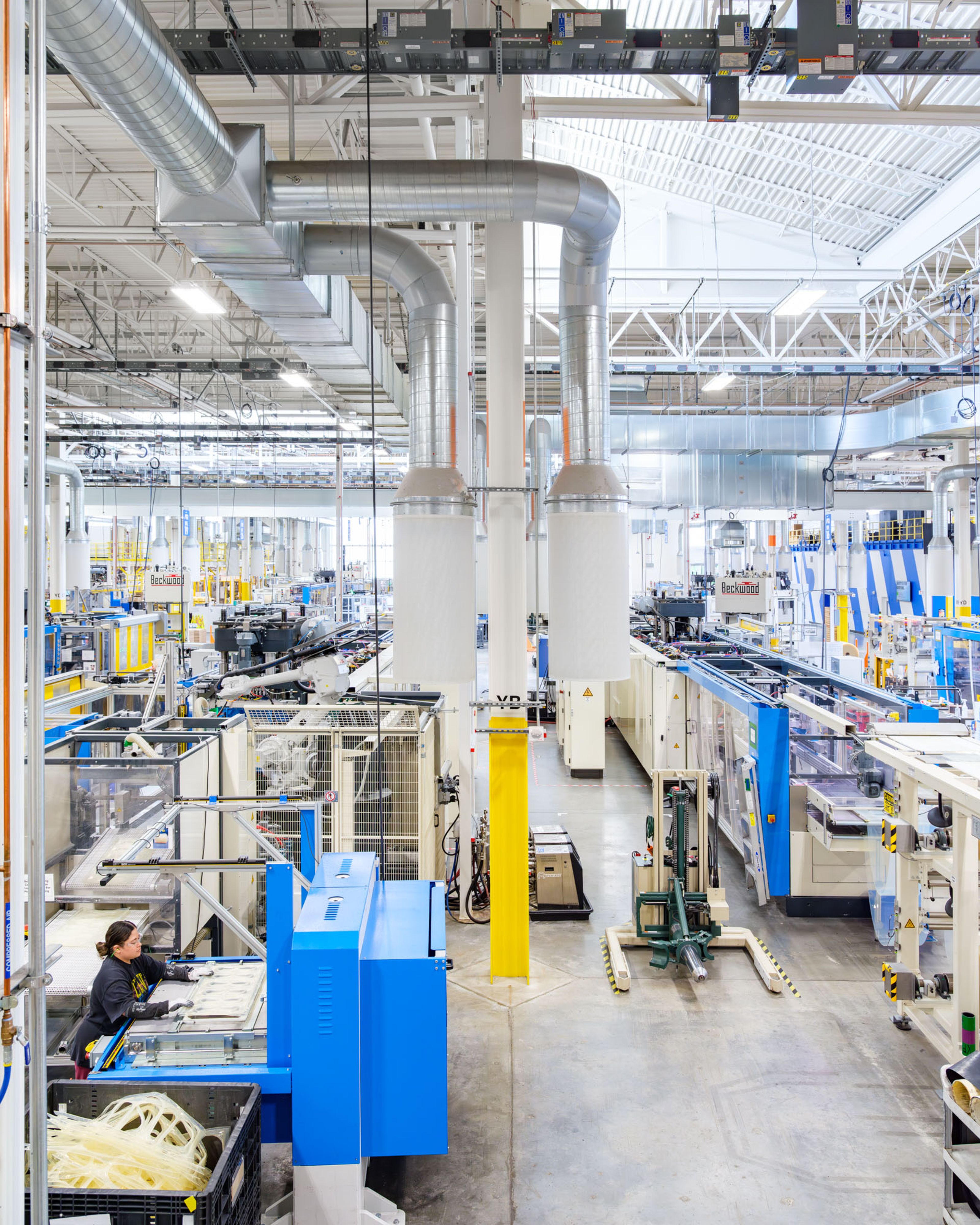
Movement defines much of what happens in the cavernous rooms in the 125,000-square-foot Advanced Product Creation Center at Nike’s Philip H. Knight Campus. Movement within the countless, massive machines that hum for hours on end; movement of the many engineers ideating, testing and tinkering toward progress in a space created to pursue it; and, of course, the future movement of millions of athletes* who will eventually step into products that start in this top-secret building as mere concepts.
In one of these rooms, next to one of those mammoth machines, a group of footwear engineers gather, coiled around materials that they hope will create a product that redefines movement. The set-up itself is familiar, with ingredients — a tank of nitrogen and welded sheets of TPU — for a process that Nike has owned for decades. An object is soon to expand into what has become an iconic footwear component: an Air unit.
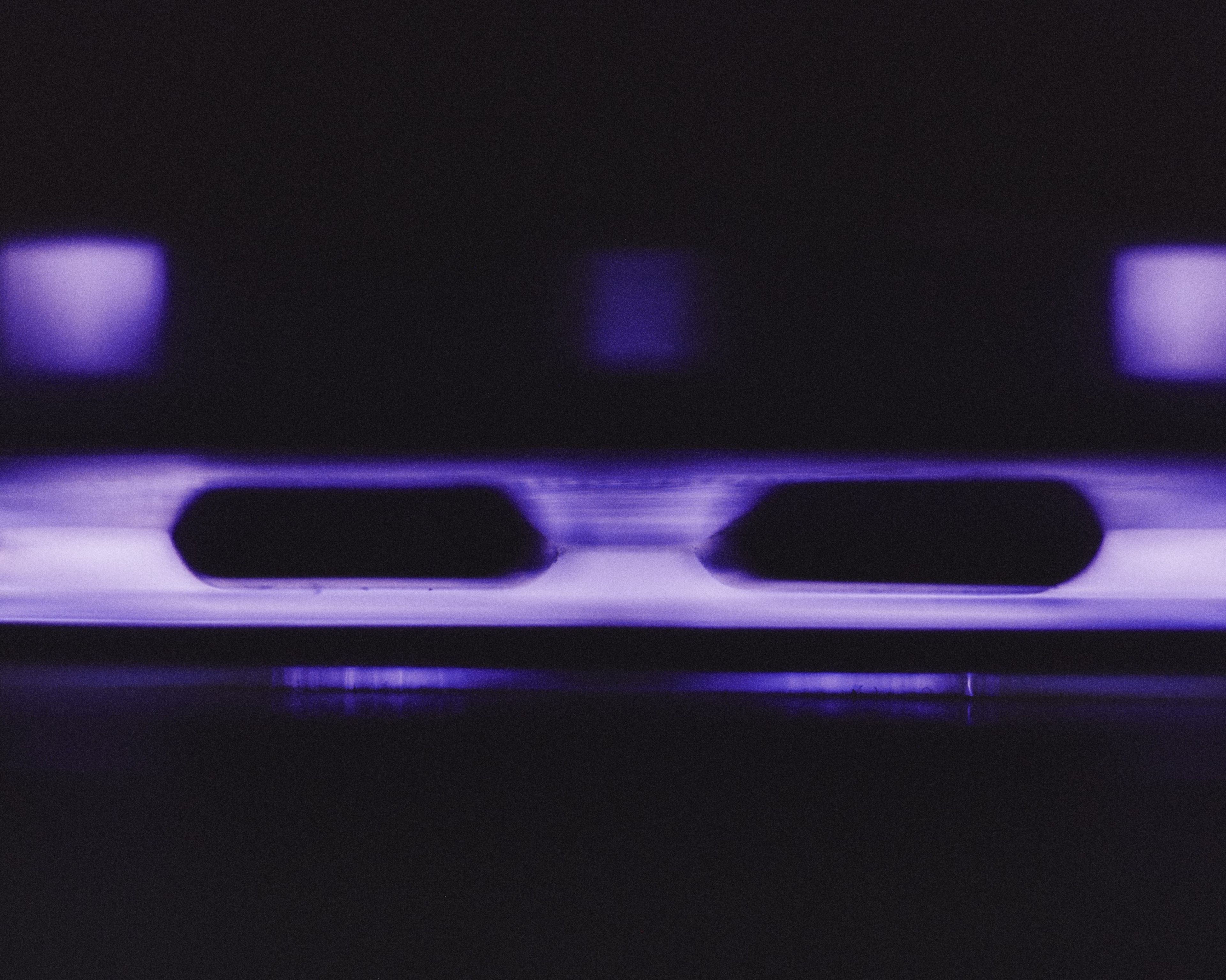
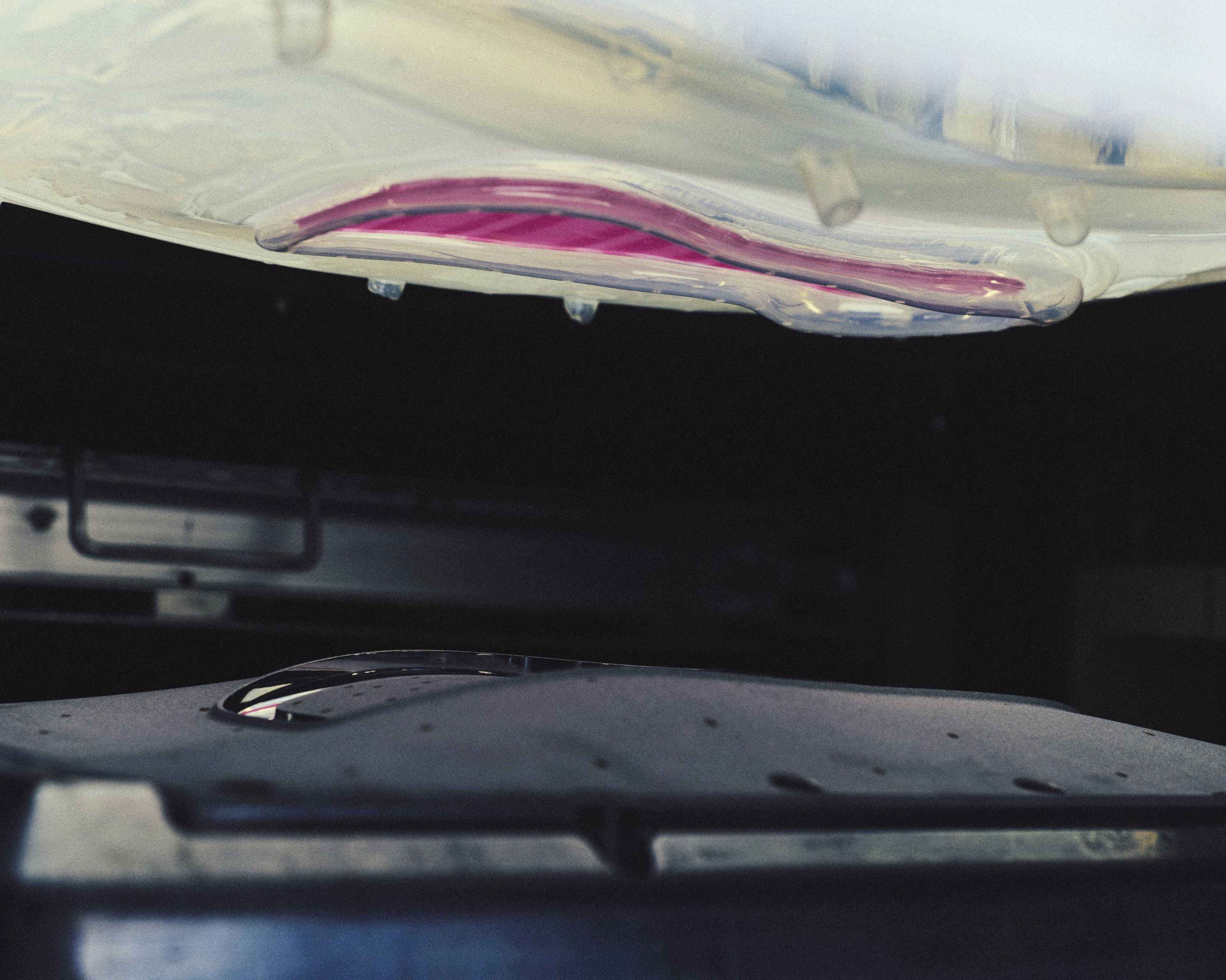
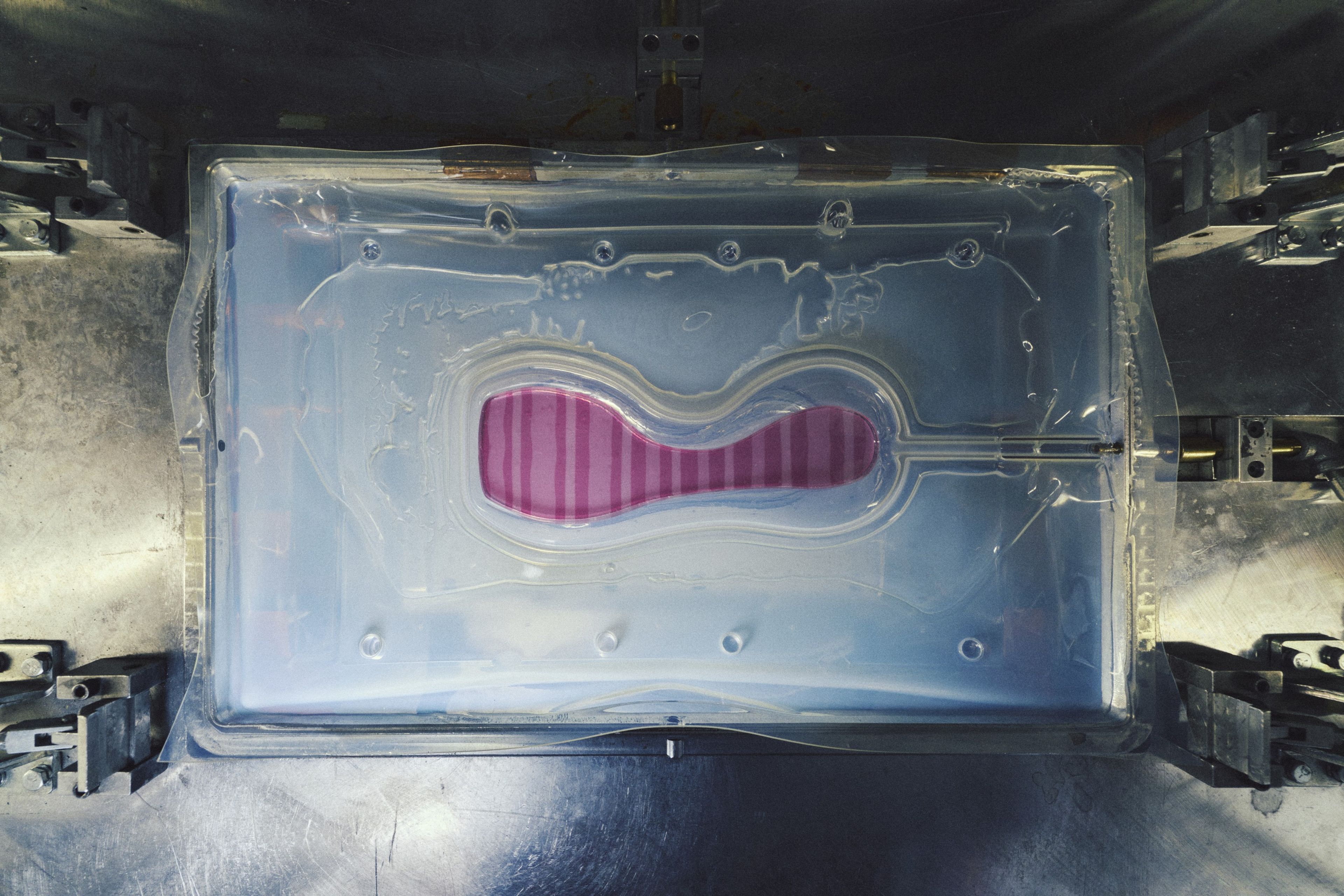
Except this time is different. As the gas rushes into the thermoformed shell, the engineers hold their breath. They watch as the unit gradually expands, and inside, a wholly new structure takes shape, the result of a manufacturing process that Nike teams have spent a decade devising and have been dreaming about far longer.
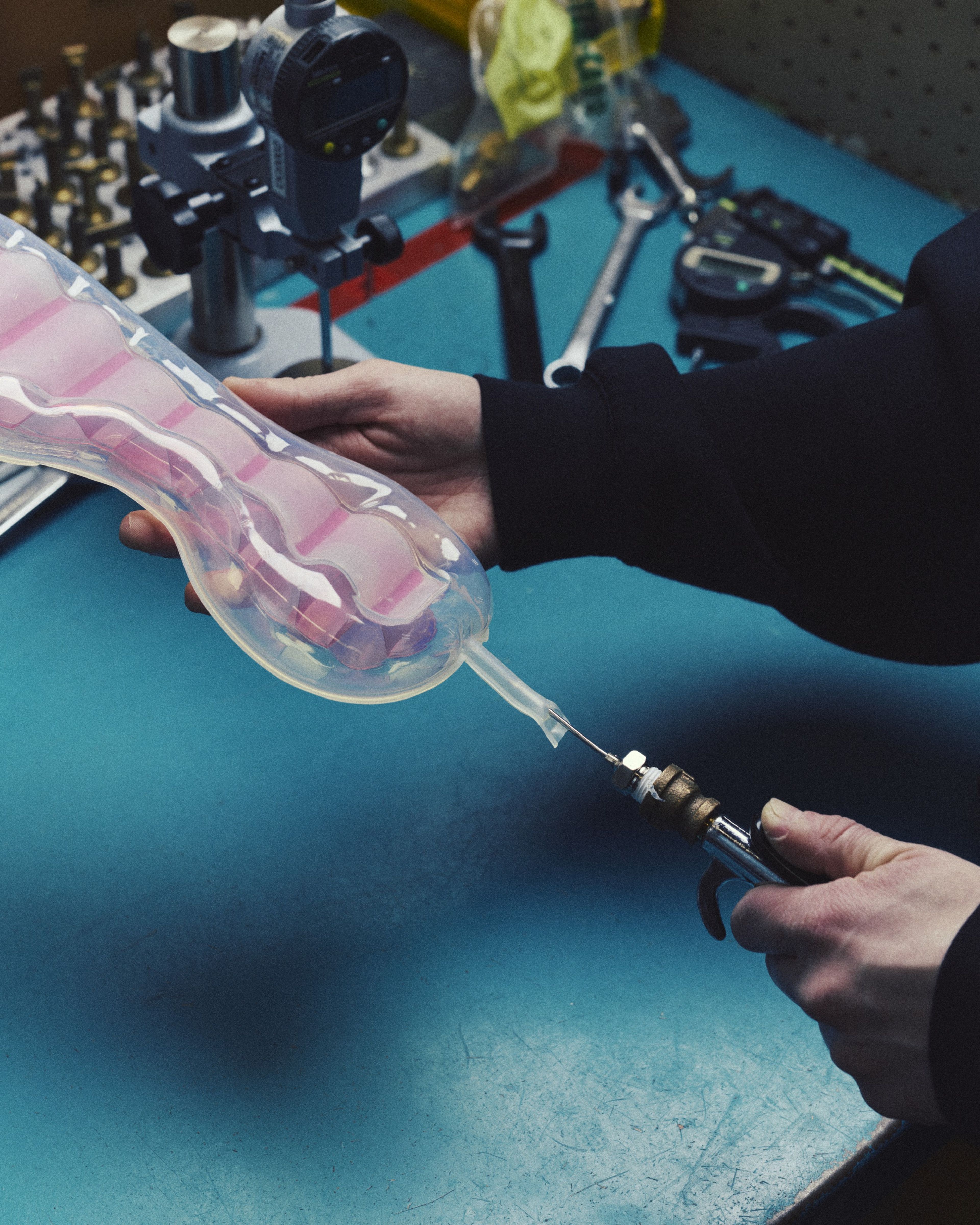
Inside the Air unit, from end to end, a thin, ribbon-like tether rises to life, producing a mesmerizing geometric design. Squeeze the unit between your fingers, and the internal tether flexes and bounces back, a cue to the springy, cushioned ride that it will provide.
This is Tuned Air, an icon remade from the inside out.
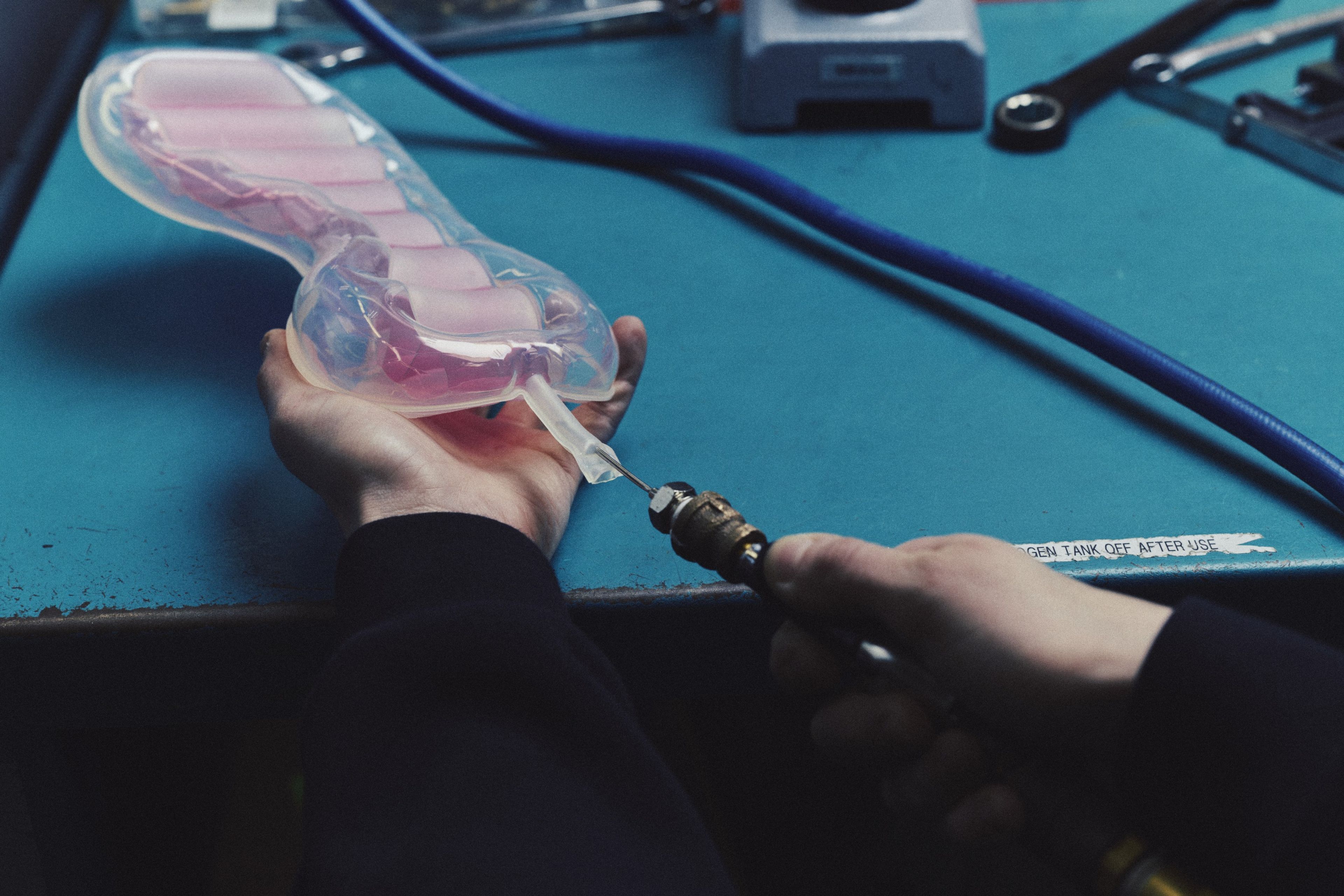
While Nike experimented with a process called Tuned Air in the 1998 Air Max Plus (using molded shapes welded into an Air-Sole to give the unit more snap) this Tuned Air is a new, scaleable platform.
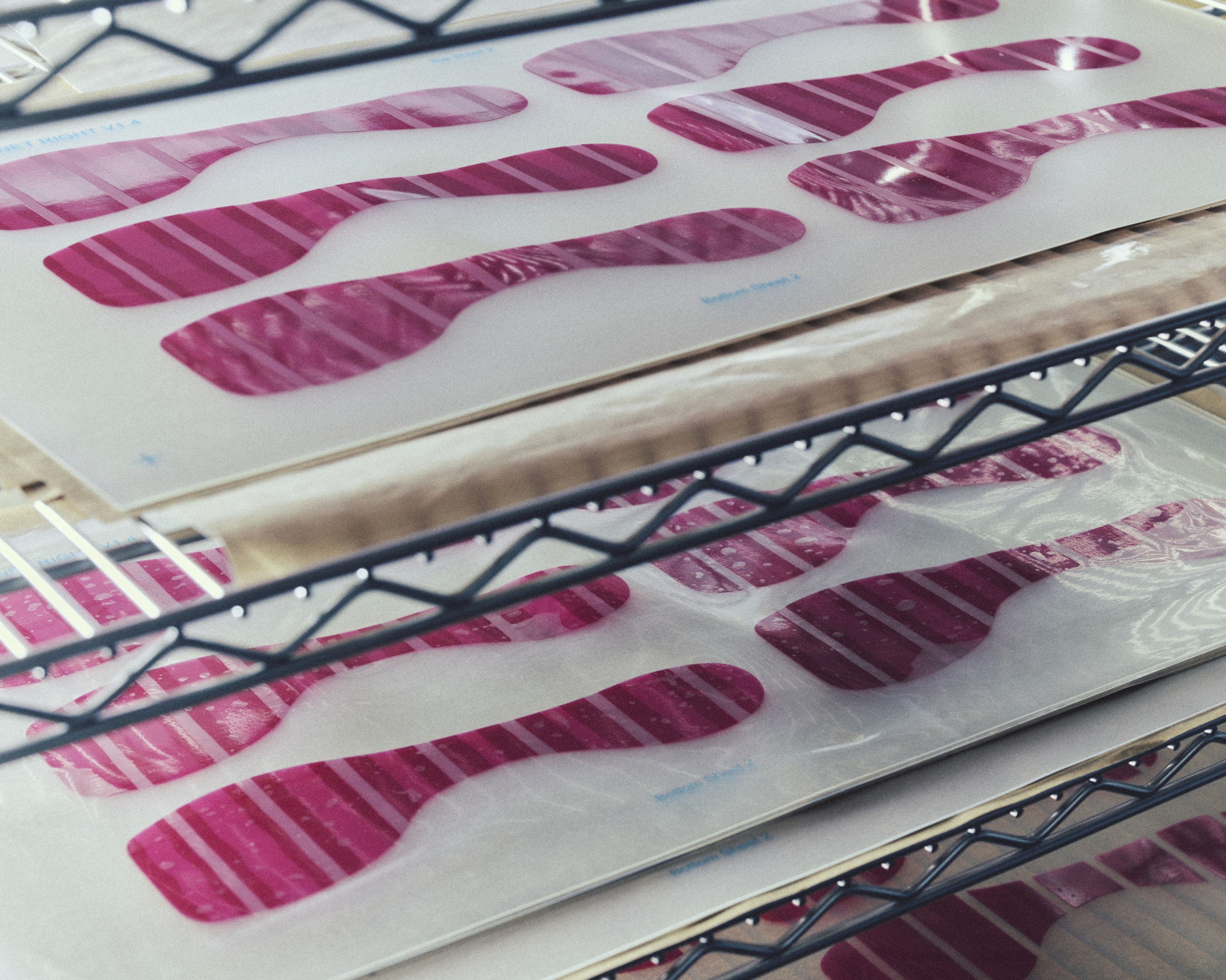
Tuned Air is an entirely new Nike Air platform and way to make Air. That it exists is a testament to what Nike Air has always beckoned: constant evolution and iteration, says Wade Flanagan, Engineering Director of Nike Cushioning and Footwear. “The question we asked was, ‘What would we change about Air if we were inventing it for the first time today?’ That’s what gave us permission to pursue something as radical as Tuned Air,” he says. “We wanted to fulfill the promise of providing elite performance qualities by giving the athlete the best structure of Air possible.”
As ubiquitous as it is, one would be forgiven for thinking that Nike Air is one thing, used in one way. Air became a mainstay because it’s an ever-expanding platform, not a one-off or single-sport technology. With a manufacturing process that’s remained proprietary to the Swoosh for more than half a century, Air was introduced to the public in 1979, hidden within a running shoe. Then, in 1987, exposed Air provided a window into a new cultural moment for sneakers. It was the launch of Zoom Air in 1995 that pushed the performance benefits for running, basketball, football and beyond.
“We wanted to fulfill the promise of providing elite performance qualities by giving the athlete the best structure of Air possible.”
Wade Flanagan, Engineering Director of Nike Cushioning and Footwear
Because of these decades of innovation, Air has become a performance advantage that can follow you from the road to the track to the court to the pitch to the street — a feat made possible because of Nike teammates’ obsessive fixation on pushing what the technology can provide athletes.
And, as researchers discovered, the benefits of Air are multiplied when you combine it with other ingredients.
With all its applications, Air can still be a technical challenge that demands just as much from its engineers as it can give athletes. Those many decades of advances? They often came from examining what Air couldn't do, and solving for that.
“Instead of trying to protect Air, I’m actually trying to point out all of the parts of the technology that I’m unsatisfied with — that’s innovation,” says Eric Schindler, Senior Principal of Nike cushioning innovation specializing in Air. “If you can constantly find weaknesses and turn them into strengths, that’s how you keep technology cutting edge for 50 years.”
Take Jordan Brand's plated footwear systems in the mid-2010s, and the Air Jordan XX8 in particular. This was a successful example of Air, midfoot plate and foam working together to achieve a benefit greater than the sum of its parts. Designers wanted to maximize the responsiveness in the Zoom Air units but preserve stability for multidirectional play. The solution: combining a moderator plate and Zoom Air units in the forefoot and the heel, which were unlocked through compression and deflection. This became “Unlocked Air.”
While far from perfect, shoes like the Air Jordan XX8 explored how these components could all work together. They created a blueprint that would help redefine Air in myriad sports beyond the court.
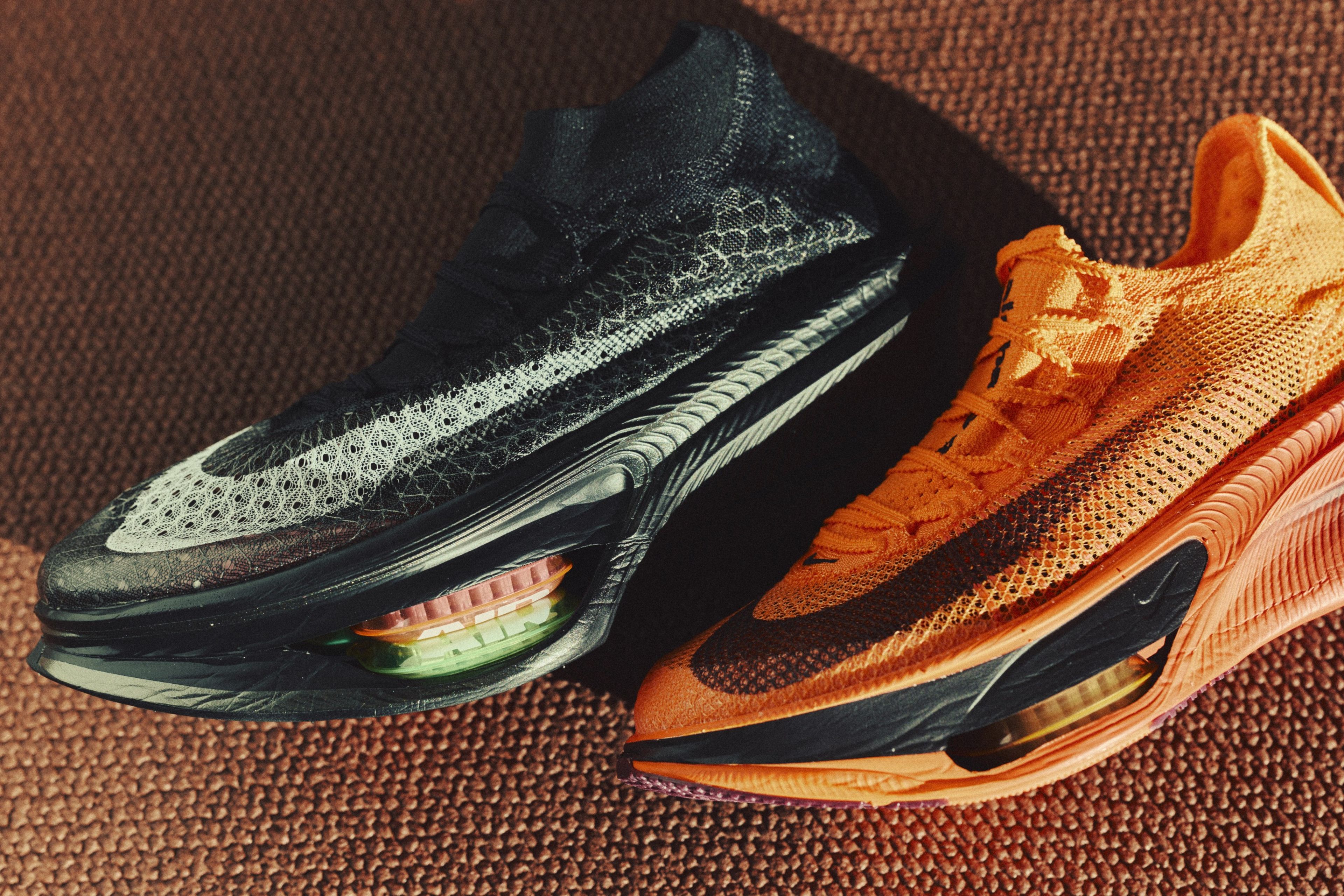
“The prerogative is to always be solving real problems for athletes. When you can leverage a technology with the benefits of Air, and push how it interacts in a system with proprietary plates and foams, it can lead you to a solution like Apex.”
Kevin Dodson, Global Vice President of Footwear Innovation
Ideas spark faster when discoveries are happening all around you. The way designers harnessed Air in a plated system in the Air Jordan XX8 directly inspired running engineers throughout the mid 2010s to experiment with the same techniques in marathon racing, where repeatable energy return is paramount and a light shoe is a requirement. As a result, Zoom Air made its way into the Alphafly Next%, the shoe Eliud Kipchoge wore to break the 2-hour marathon mark in 2019.
The combination of dual Zoom Air pods fastened by a full-length carbon fiber plate helped the first Alphafly achieve a more than 80 percent energy-return rate, unprecedented at the time, and launched a parentage of shoes beloved by marathon runners around the world. The tinkering didn’t stop there. The Air innovations in the Alphafly have evolved into more ambitious ideas of what Air can do for athletes, typified by the latest Nike Apex, which added a pair of double-stacked Zoom Air units to deliver a 40% increase in energy return compared to the Alphafly 3.
“The prerogative is to always be focused on solving real problems for athletes,” says Kevin Dodson, Global Vice President of Footwear Innovation. “When you can leverage a technology with the benefits of Air, and push how it interacts in a system with proprietary plates and foams, it can lead you to a solution like Apex."
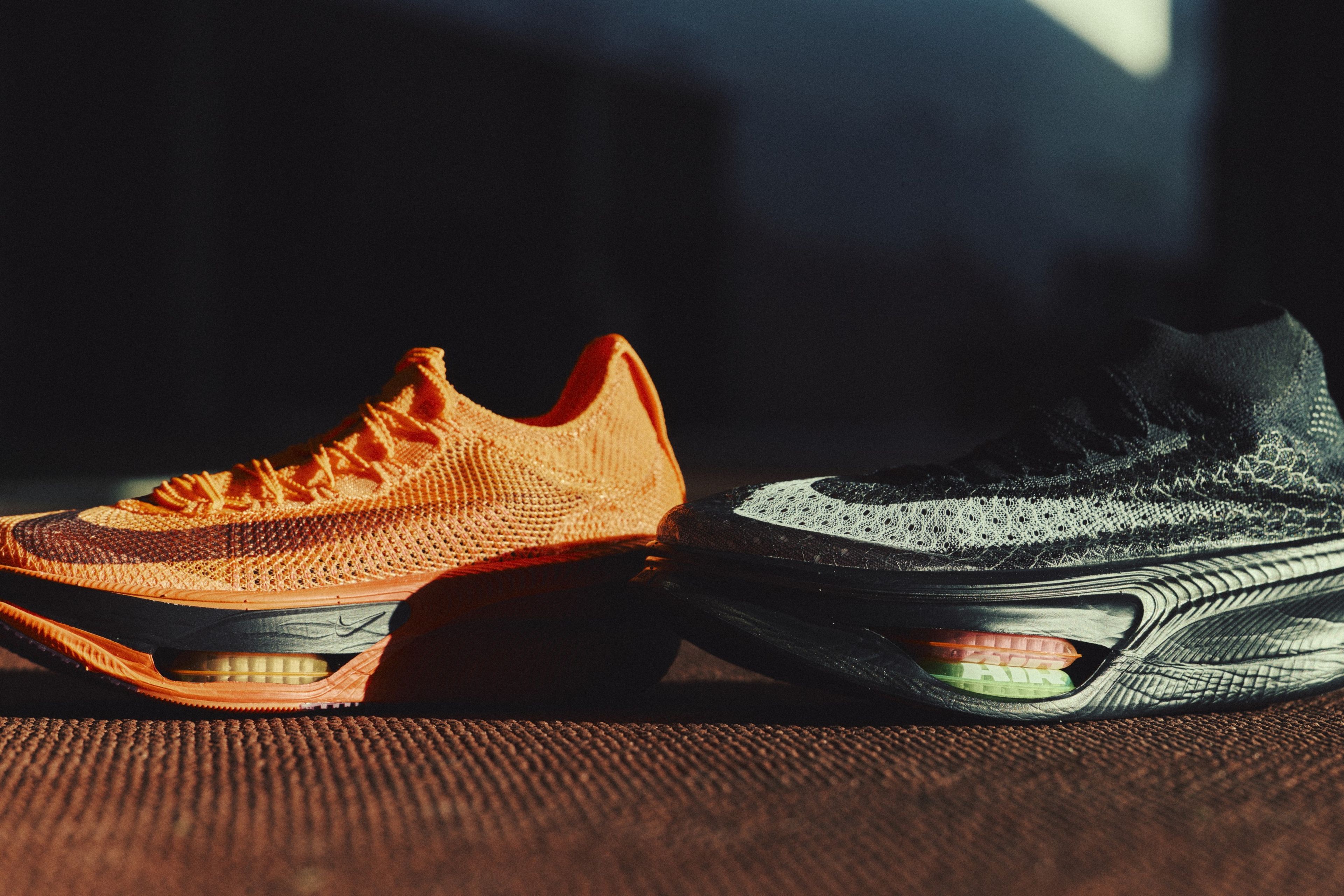
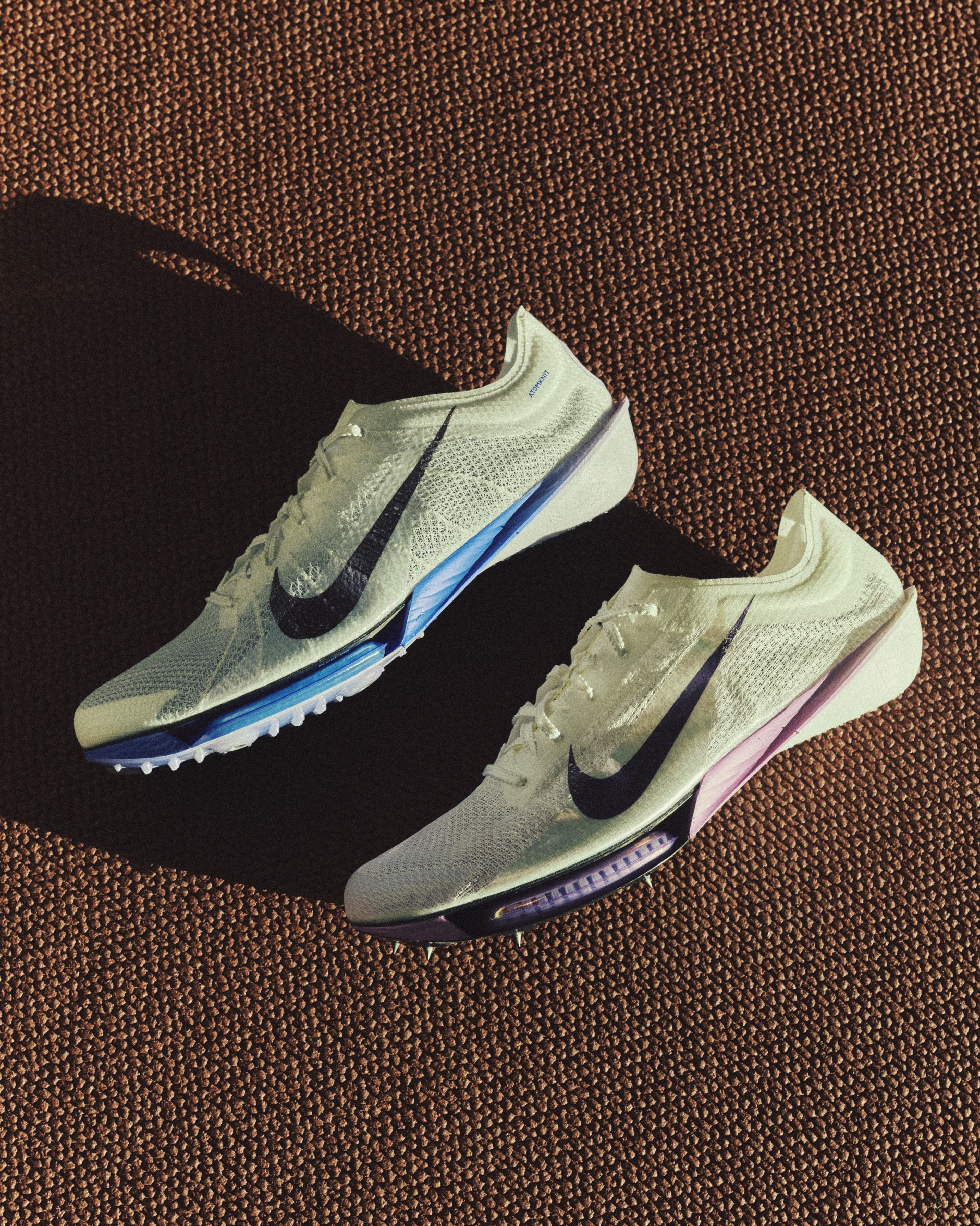
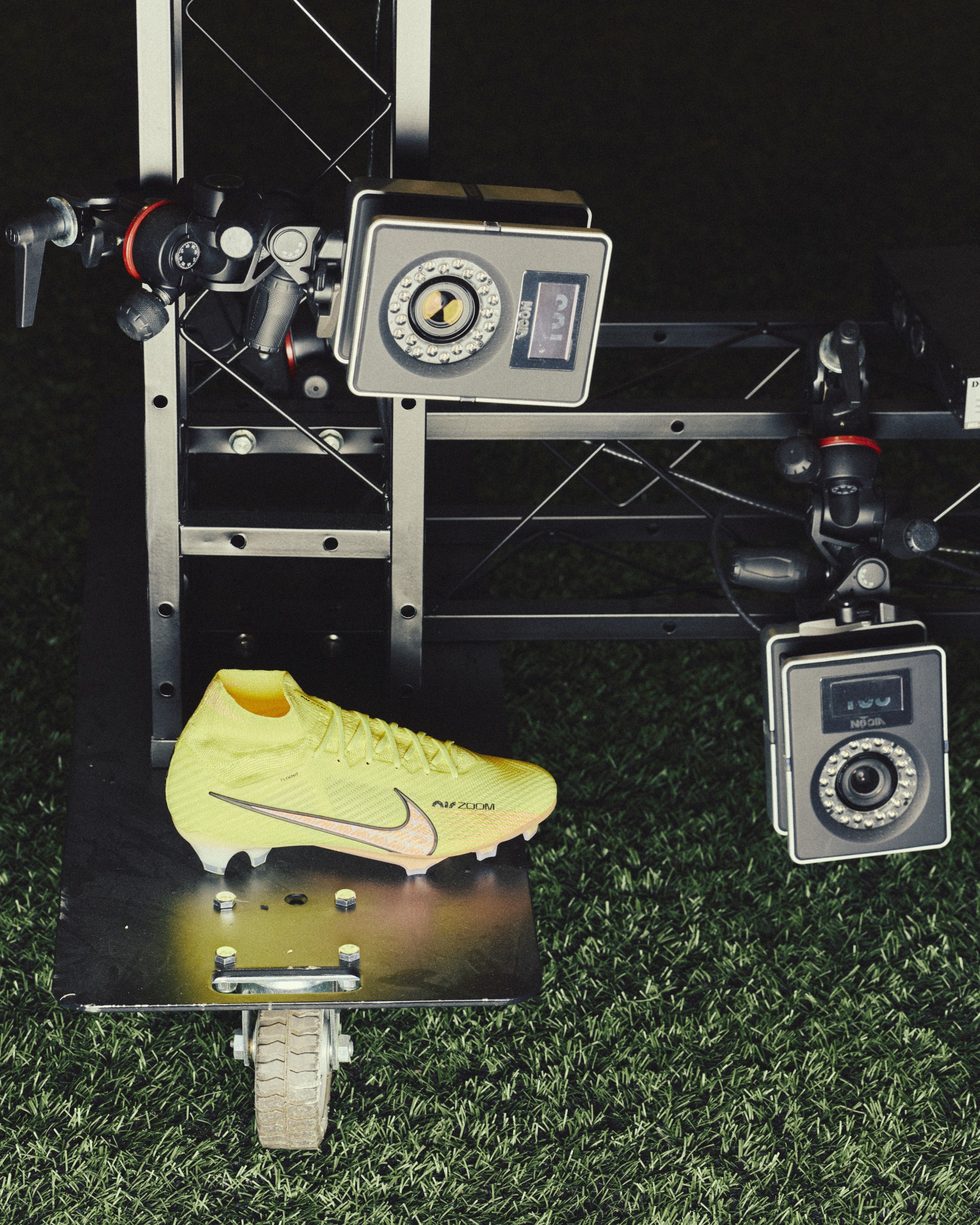
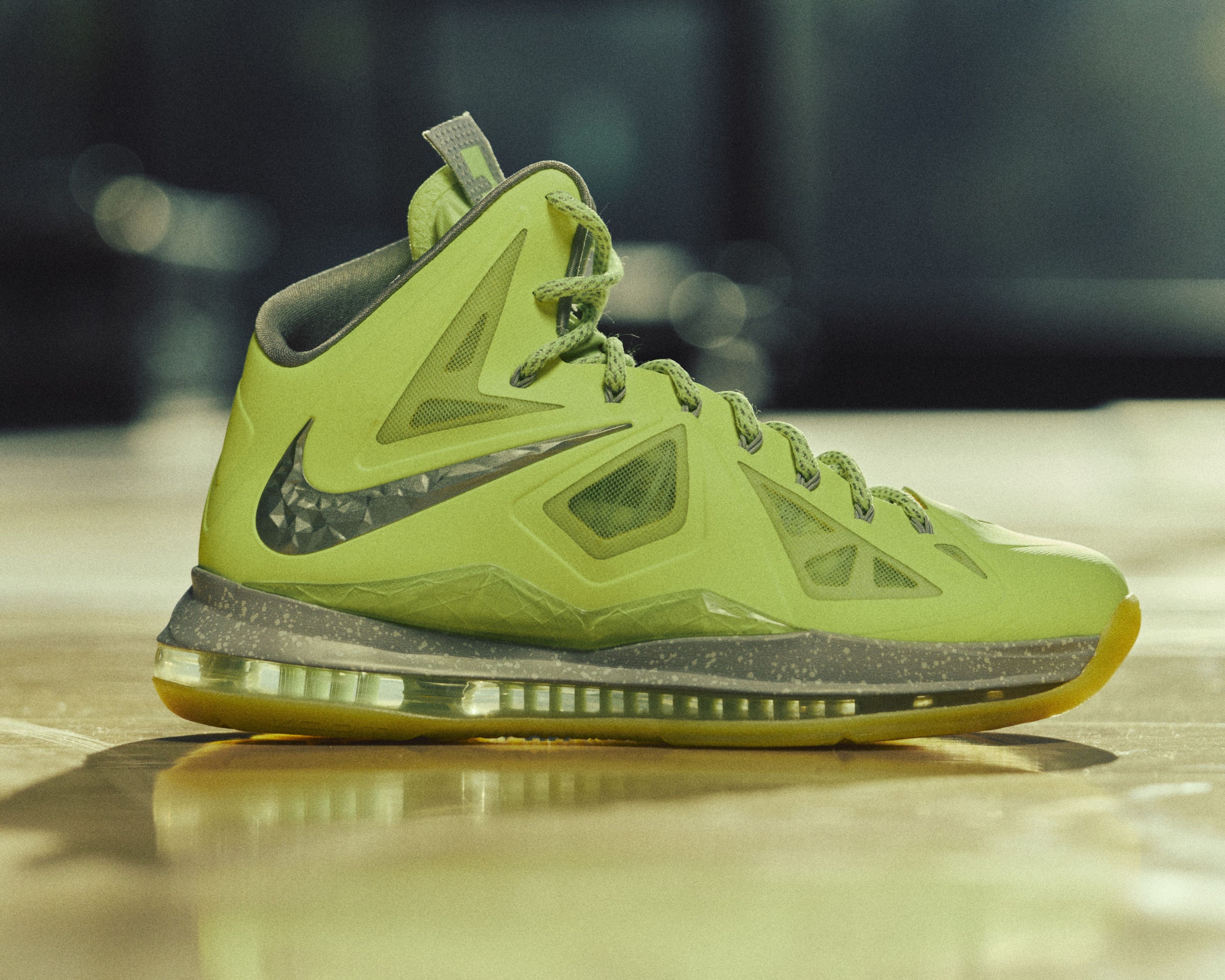
Innovation doesn’t happen in a vacuum. The Alphafly Next% was one outcome for how Air, foam and a plate create peak performance, and once that equation was developed, simultaneous work began on a track-specific combination that would debut ahead of Tokyo 2021.
A key difference in track racing versus road racing is the constant turning that forces athletes to contour to their lane. Nike researchers wanted to focus on those turns, where energy is often lost. Using the Nike Sport Research Lab (NSRL) track, which is fitted with high-res motion-capture cameras and force plates that record contact data points, the team began testing with some of the best track athletes in the world.
While a dual Zoom Air pod system, used in the Alphafly series, was effective at returning energy, it tended to lose stability during those constant turns. For the track, engineers explored a dual-chambered Zoom Air unit.
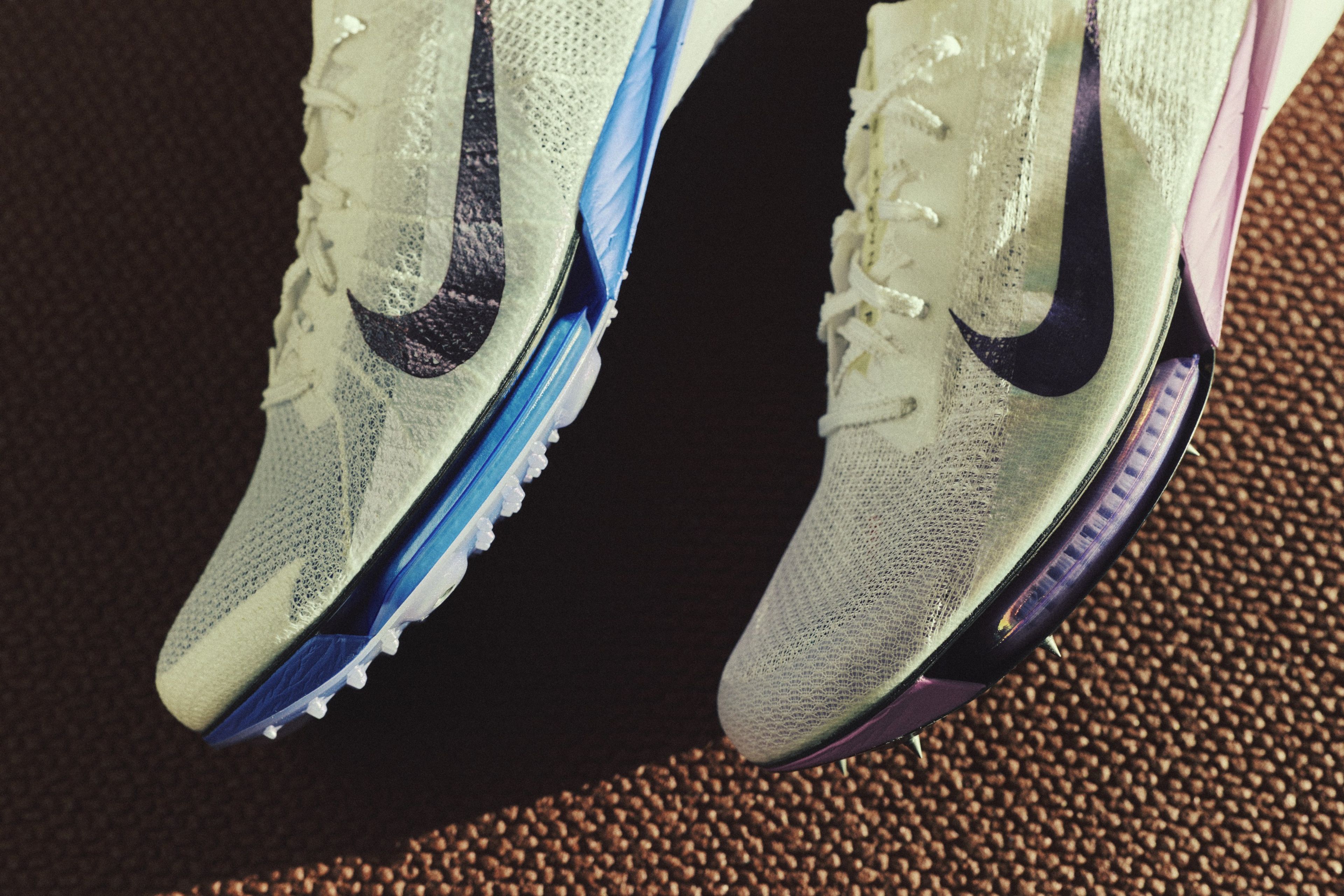
In the Victory 2 and Victory Elite spikes, the Zoom Air unit is split into two chambers, responding to the changes in direction on the track.
Because the NSRL views every athletic problem as an opportunity, a team of experts pushed how the Air units could be ideally situated to help advance the Nike Victory franchise, a favorite line for many of the brand’s top middle distance runners.
“Small projects seem like they would yield small results, but by being hyper-focused with the performance questions we were asking on the track, we were able to be especially specific with the answers we found and how those can be applied to other sports,” says Schindler.
After successfully adding Zoom Air to spikes on the track, Nike researchers turned their eyes to the pitch.
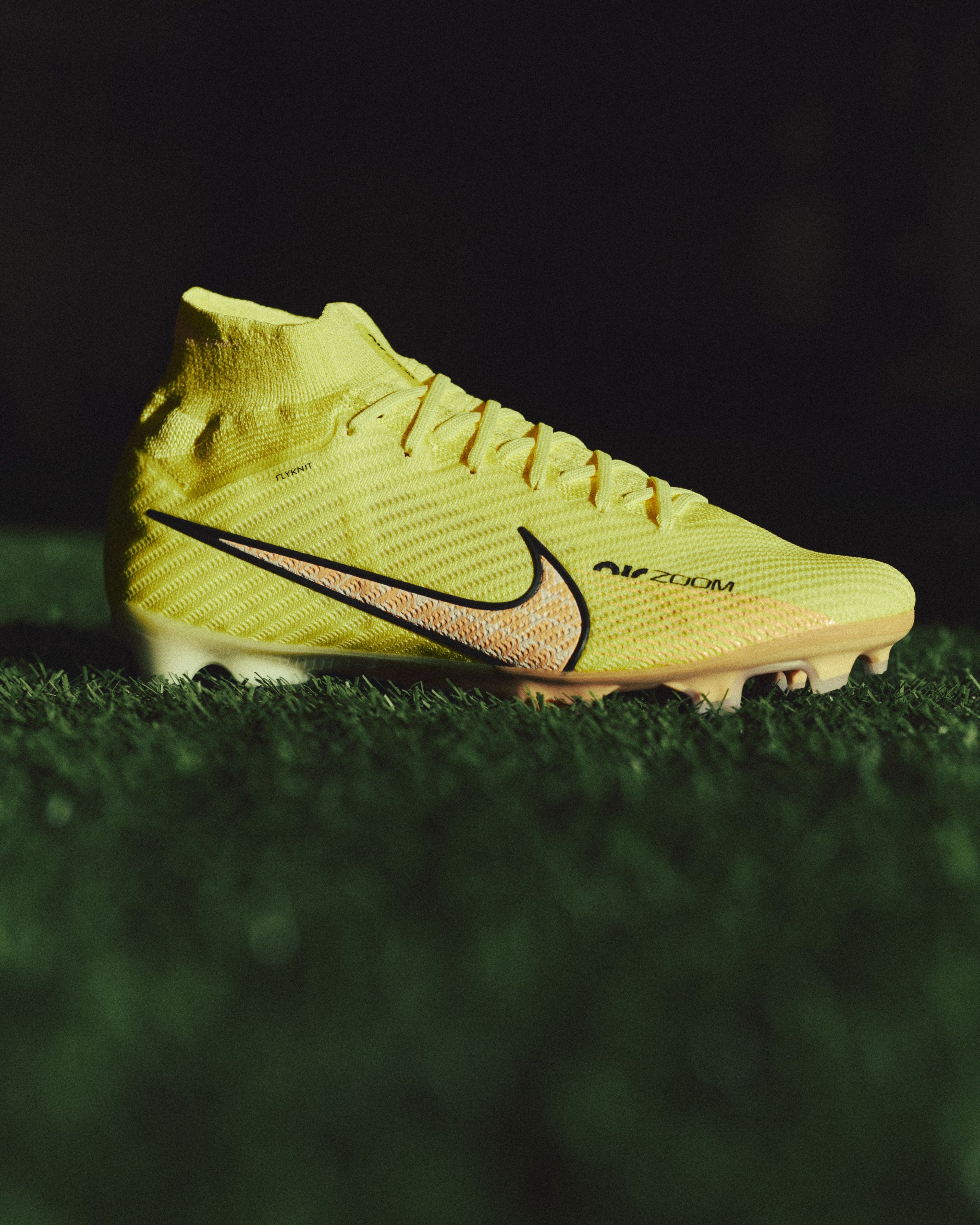
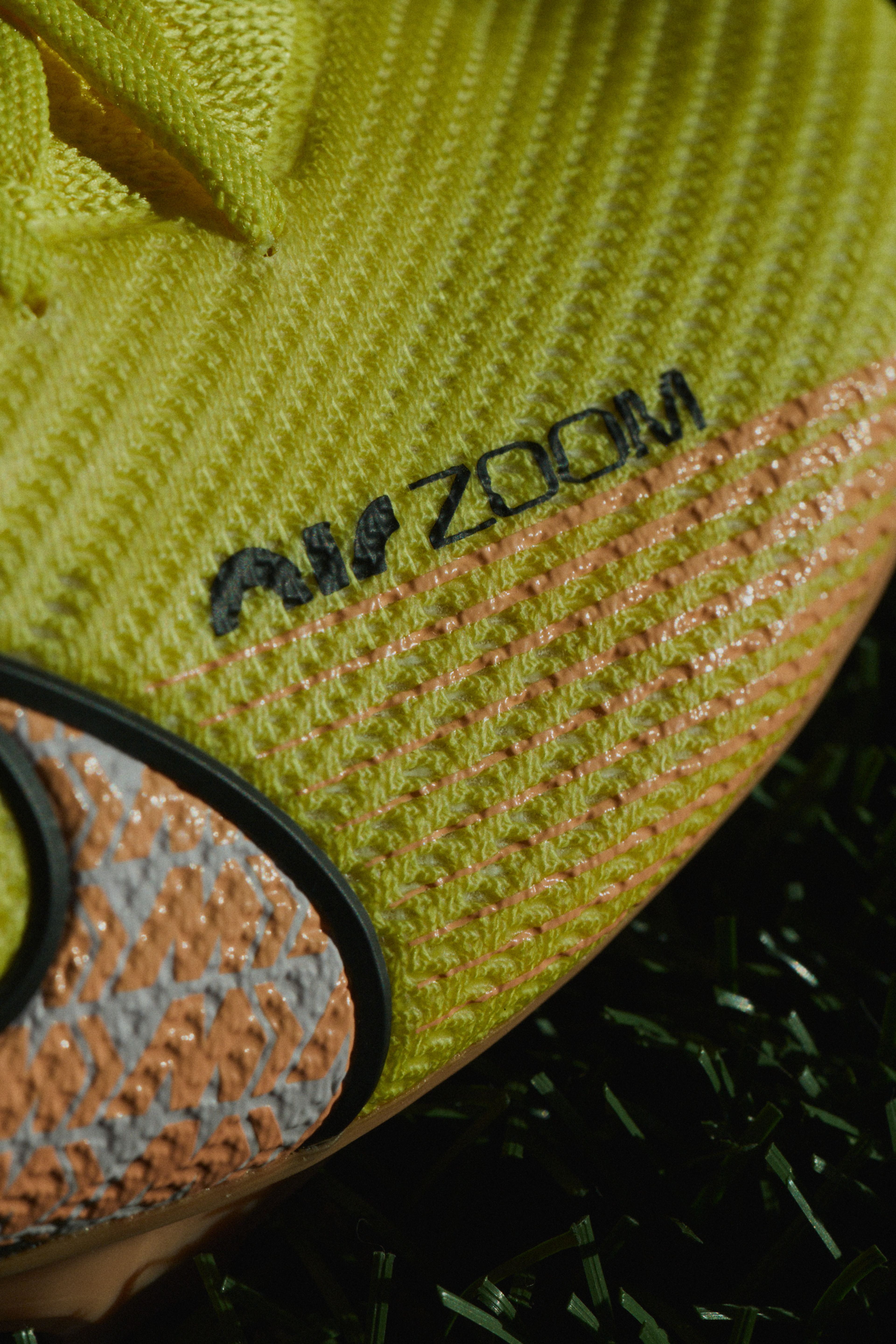
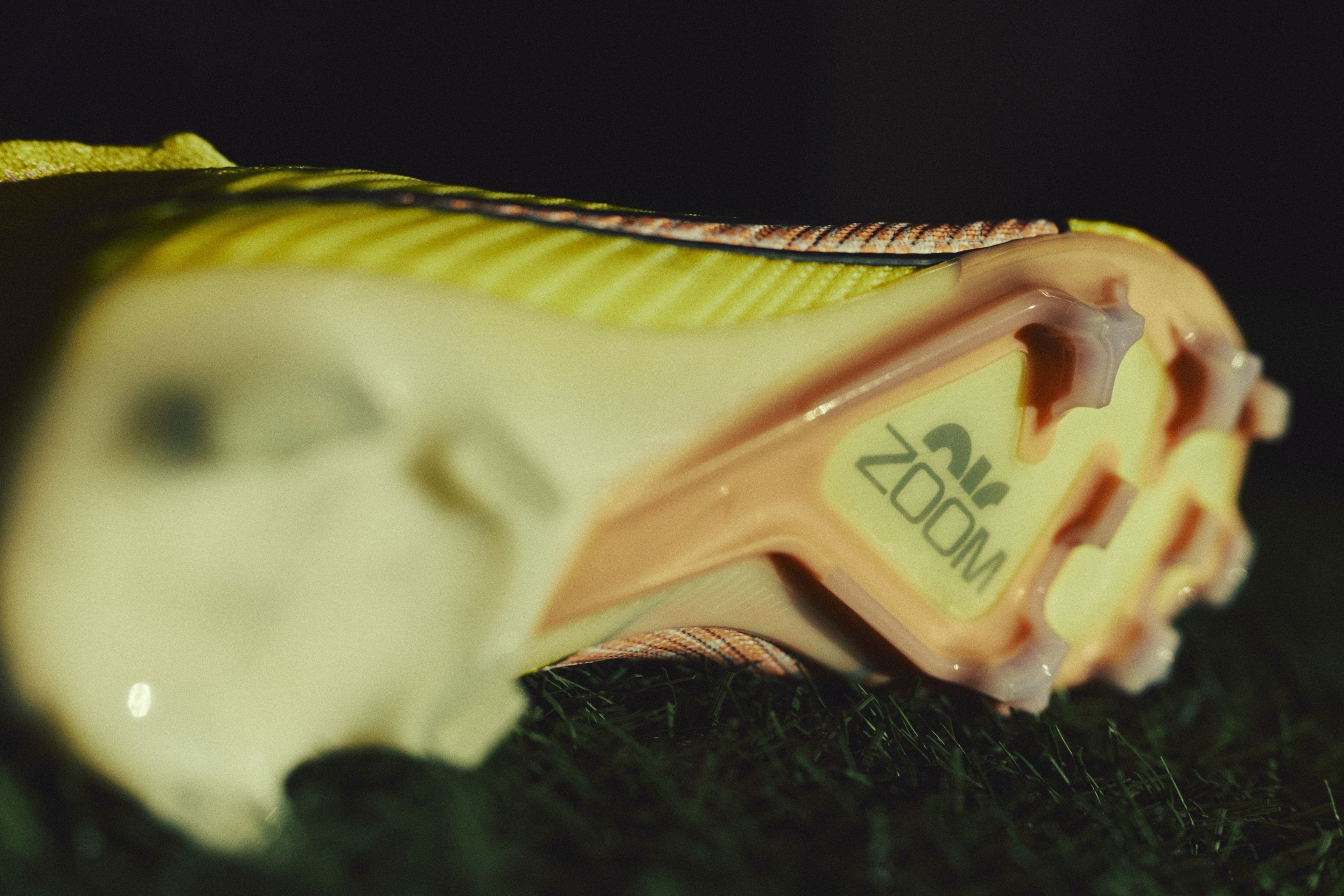
“If you go into any retail store, it is often a sea of sameness for foams and carbon plates, but we have Air, and that’s a real differentiator and performance advantage,” says Flanagan. “The opportunity becomes, how can we continue to push Air and the accompanying technologies to make a meaningful difference in the life of an athlete?”
Constantly pushing Air meant thinking beyond the foot. In 2025, the Therma-FIT Air Milano Jacket became the next step in Air’s evolution.
Combining Nike’s industry-leading Air technology with innovative materials and computational design, the jacket is built to inflate or deflate within seconds, allowing athletes to regulate their temperature in real time without changing layers and unlocking warmth levels that range from a hoodie to a midweight puffer.
Air Milano was made possible through years of iterative discoveries across Nike’s Functional Innovative Technologies (FIT) apparel systems. Further, the jacket builds on the company’s 20-year history in inflatable outerwear, like the ACG Airvantage inflatable jacket in 2007.
The power of Air isn’t solely limited to how it can be contained. Radical AirFlow is proof of this. The material harnesses the air around you to create a cooling effect on your skin.
The next step forward: Nike Therma-FIT A.I.R. Jacket, an evolution of the Air Milano that scales the benefits of Nike's Adapt. Inflate. Regulate. platform to Sportswear, and proves that Air is never static.
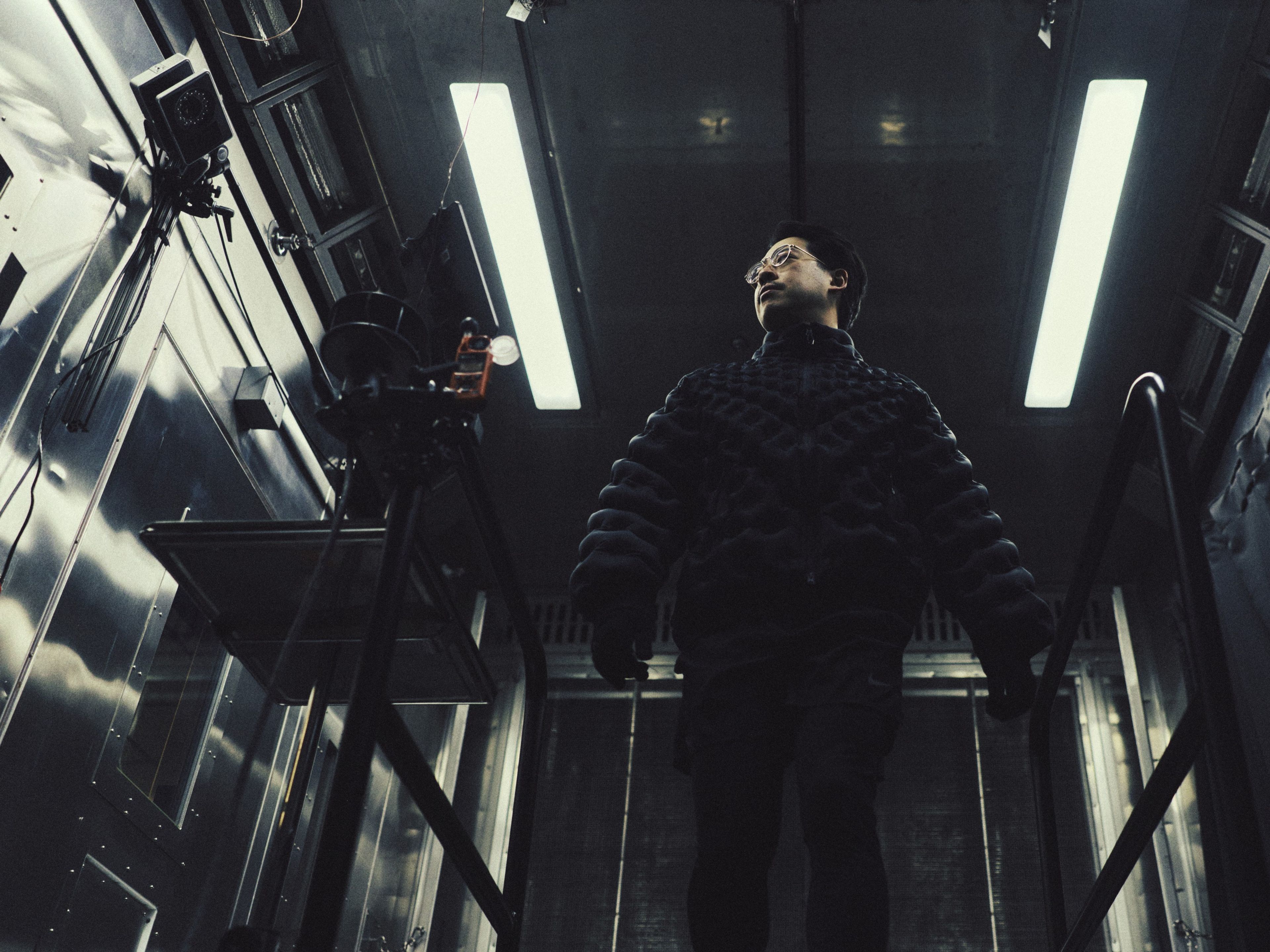
The Therma-FIT A.I.R. Jacket undergoes testing in a climate chamber in the NSRL. These tests help engineers monitor how athletes self-regulate their internal temperatures using the jacket.
Back in the Advanced Product Creation Center (APCC), Kevin Sze, a Nike Footwear Lead Cushioning Engineer, watches intently as each section of the Tuned Air unit inflates for the first time. Sze was present when the technology was pitched, and now, as he watches it take shape, he’s experiencing a moment as gratifying as any for an engineer.
What makes these units so special? Imagine if Air could give the ideal level of cushioning for athletes across sports, not from the shape of the unit itself, but from the structures inside of it, says Sze. That’s Tuned Air: a digital process that allows engineers to precisely shape the internal geometry of an Air unit, unlocking greater control over its performance qualities from heel to toe. Through a proprietary digital print and lamination process, these units can be adjusted like never before, creating a level of cushioning, comfort, resilience and responsiveness specific to the demands of different athletes across different sports.
What’s more, each new idea can be iterated and tested at a rapid pace. At Nike’s APCC the average development time for new Air units has dropped by 70%. Prototypes that once took three weeks can now be made in three days. By removing traditional manufacturing constraints and accelerating the process from design through testing, Nike can quickly move from athlete insight to prototype to performance solution faster than ever before.
Of course, no innovative tech is real until the athlete says it is.
Months had passed since the team first watched the new Tuned Air come to life. At Hayward Field in Eugene, Oregon, Charles Hicks, a 25-year-old British-American marathoner, is training to shave seconds off a race he runs in a little over 2 hours at his best.
He’s wearing a sheathed Nike prototype.
After a hard practice session, surrounded by a Nike wear testing team, he peels back the tape on his shoe to reveal what’s been on his feet. “No way,” he laughs, seeing the distinctive tethered technology inside the Air unit for the first time. He describes the ride of the shoe as feeling “like a trampoline,” like he's getting “force back from the shoe faster” with each step.
Those unlocked benefits are the whole point. “Finding a new technology for novelty is not what this company is about,” says Tyler Piumbroeck, Nike VP of Innovation within Underfoot Systems. “It’s about delivering solutions that people can fall in love with. The measure of innovation isn’t what we can make. It’s what it makes possible for the athlete.”
*If you have a body, you are an athlete.