How Nike Teamed With Keely Hodgkinson to Create Her Zero-Distraction Speed Suit

- September 18, 2026
- Words:
- Photos:
The 800-meter race is the ultimate collision in track and field: a brutal, oxygen-deprived effort where the power of a sprinter smashes directly into the relentless engine of a distance runner.
You don’t just run an 800. You survive it.
Among the best to ever dance at this ragged edge of human endurance is the reigning Olympic champion Keely Hodgkinson, whose unapologetic personality, fierce competitiveness and elegant style have made her an unmistakable icon of the sport.
For the latest step in her unyielding pursuit of every fractional advantage against the clock, Hodgkinson has worked alongside the Nike Innovation team to create a one-of-one system of speed she’ll unveil in front of a home crowd in London.
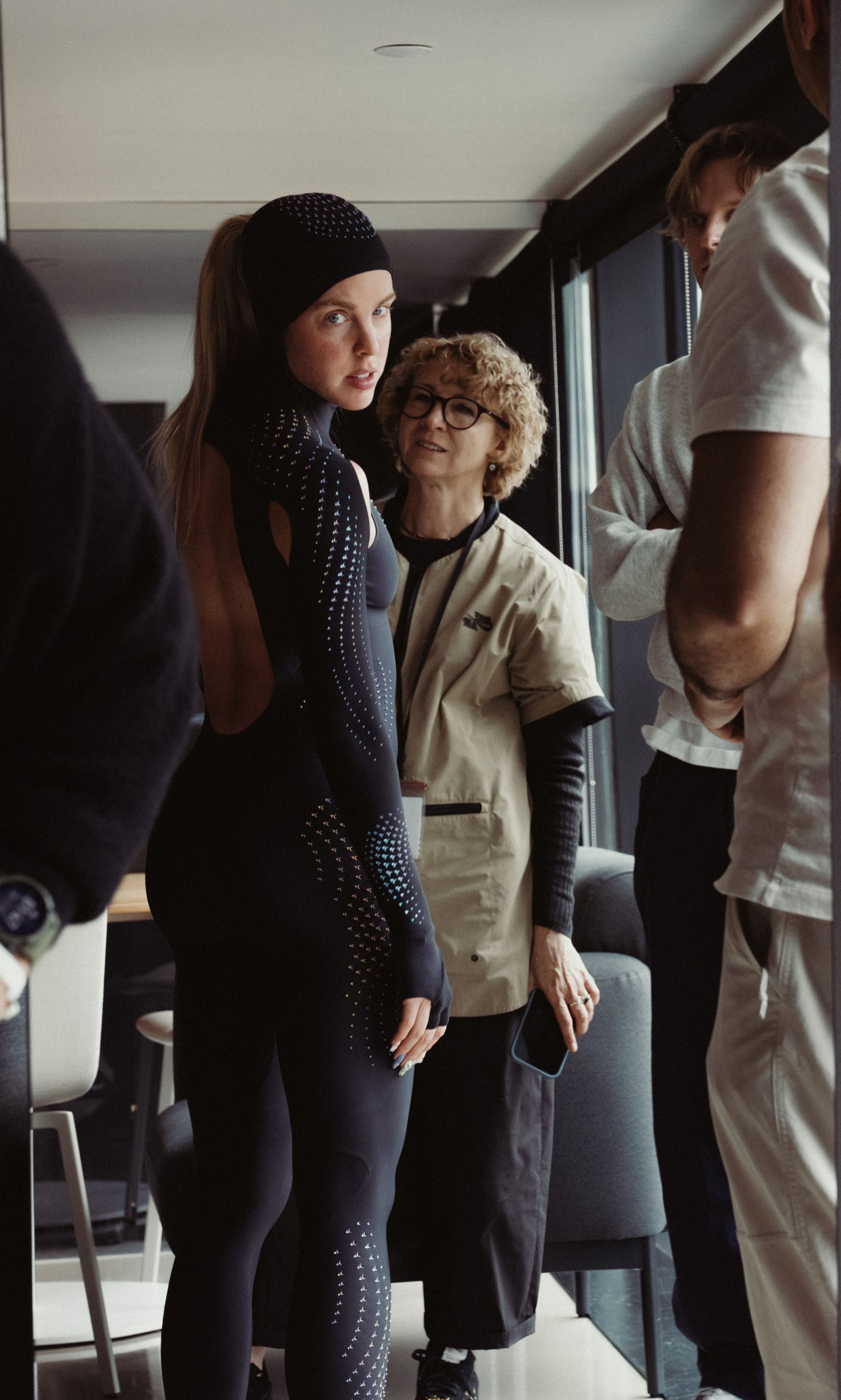
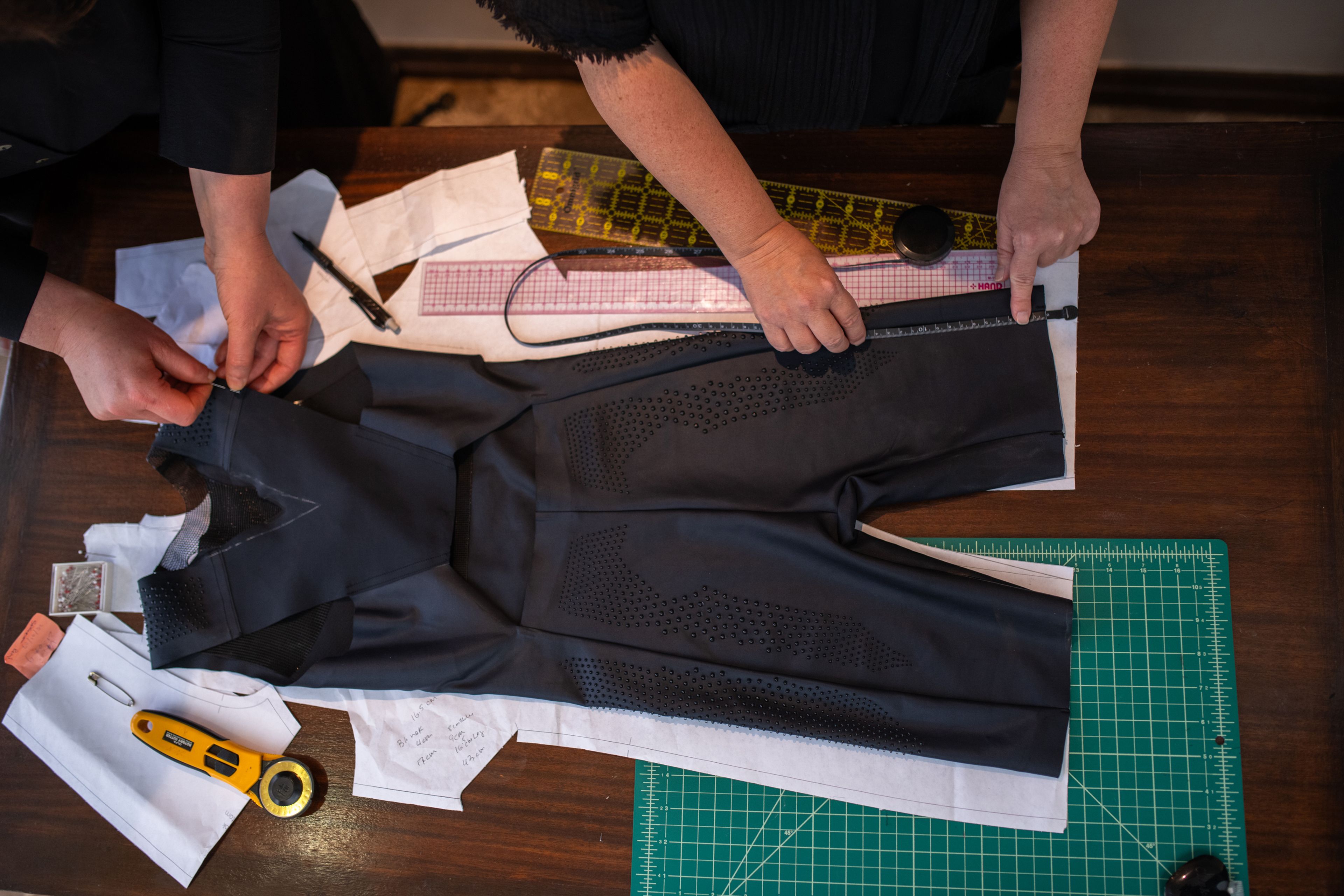
Built to Hodgkinson’s exact performance and design specifications, her custom suit is meticulously engineered to help her push the limits of contemporary track and field — marking the latest chapter in Nike’s history of supporting athletes with custom performance innovations.
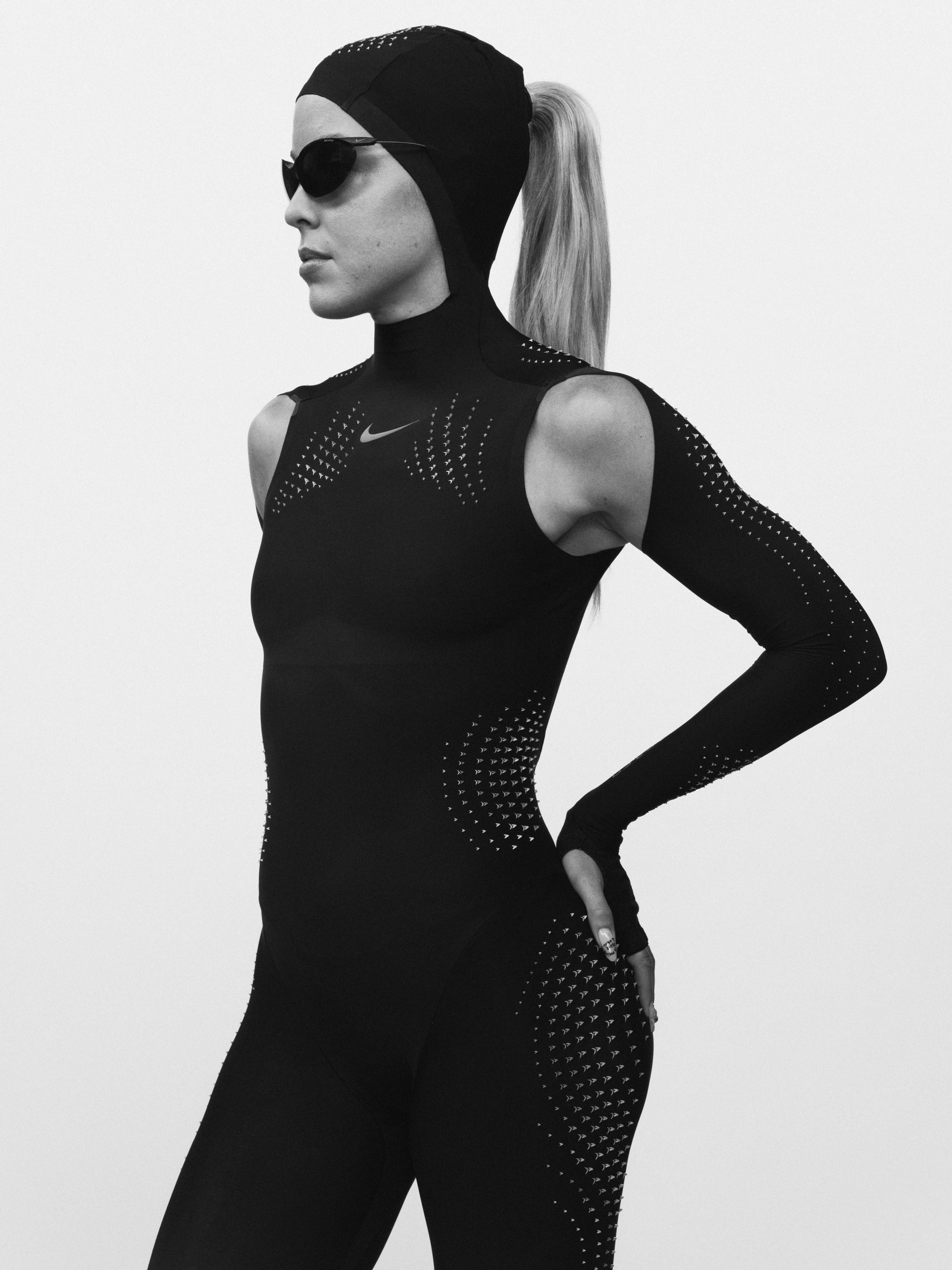
Every detail of the suit reflects Hodgkinson’s input, from the dramatic back opening to the hood. Nike innovators and designers worked alongside her, refining based on her feedback and needs.
Most athletes step onto the track dripping in color and pattern. But when Hodgkinson takes the starting line in London, she’ll be wearing stark, uninterrupted black.
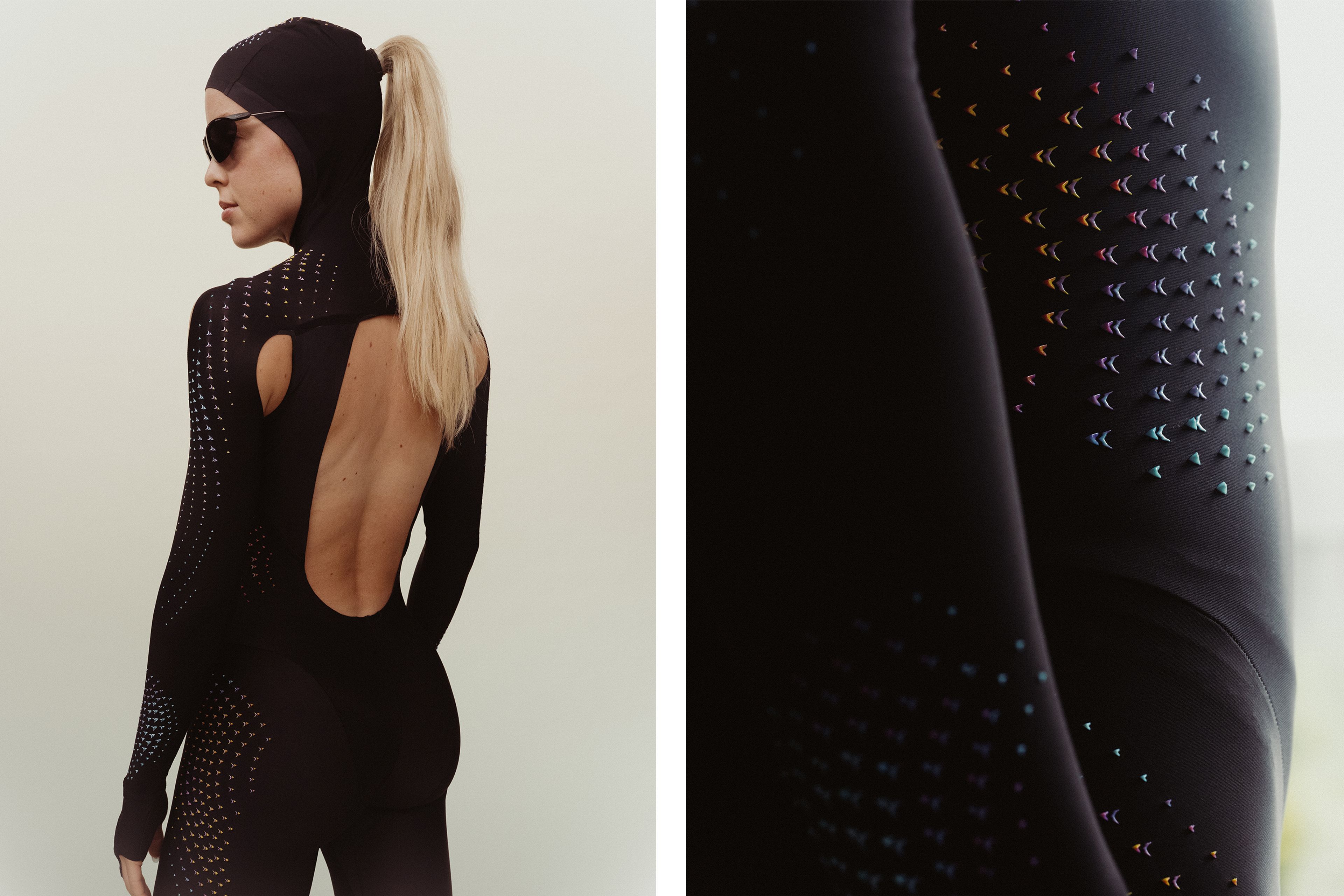
“The large opening at the back has been a favorite of Keely’s since day one. She loves that it’s so different from any other race suit — marrying her vision with our innovation to offer a new expression of performance apparel on the track.”
Hannah Amis, Director, Innovation Apparel Product Design
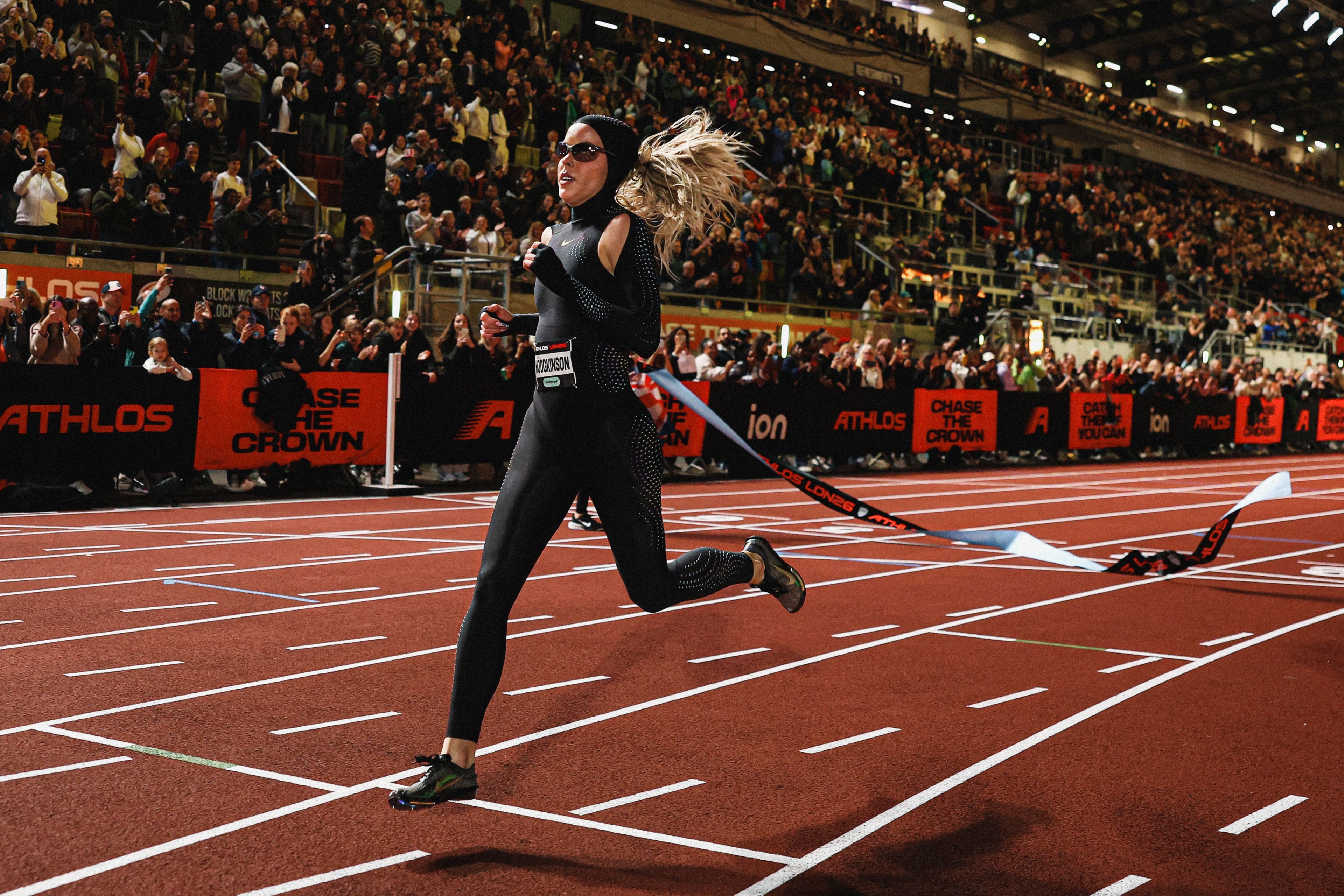
Keely Hodgkinson debuted her custom Nike speed suit at Athlos London, winning the 800m in 1:56.80.
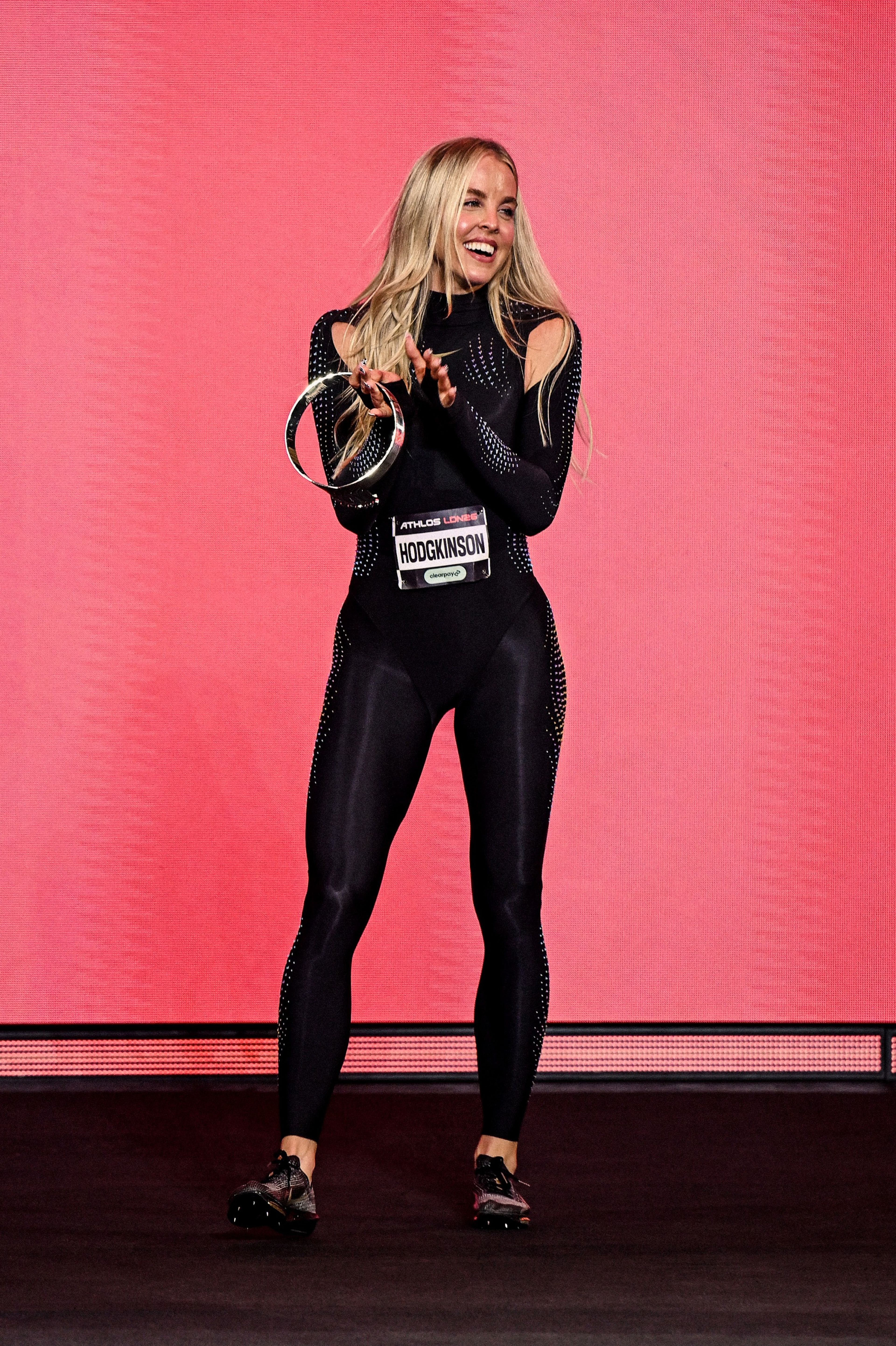
“Keely has an immense amount of personal confidence when she wears black,” says Hannah Amis, Director, Innovation Apparel Product Design. “It’s sleek, it’s brave, and it allowed us to celebrate her vibrant personality through color-shifting, 3D-printed vortex generators instead.”
The suit’s striking silhouette is a product of 4D design methodology, a system that charts apparel patterning through a body moving across time and space rather than across a flat plane or static 3D form.
“Our team studied every detail of how Keely moves through space, ensuring the suit works with her stride, her mechanics and her race demands, creating a distraction-free fit that allows her to focus solely on performance,” says Amis.
The pattern itself is designed to accommodate Hodgkinson’s maximum stride length without creasing or bunching, a consequence of less-than-perfect fit that could slow her down. To complement this handcrafted second skin, the back also features a massive, dramatic cut-out.
“The large opening at the back has been a favorite of Keely’s since day one,” says Amis. “She loves that it’s so different from any other race suit — marrying her vision with our innovation to offer a new expression of performance apparel on the track.”
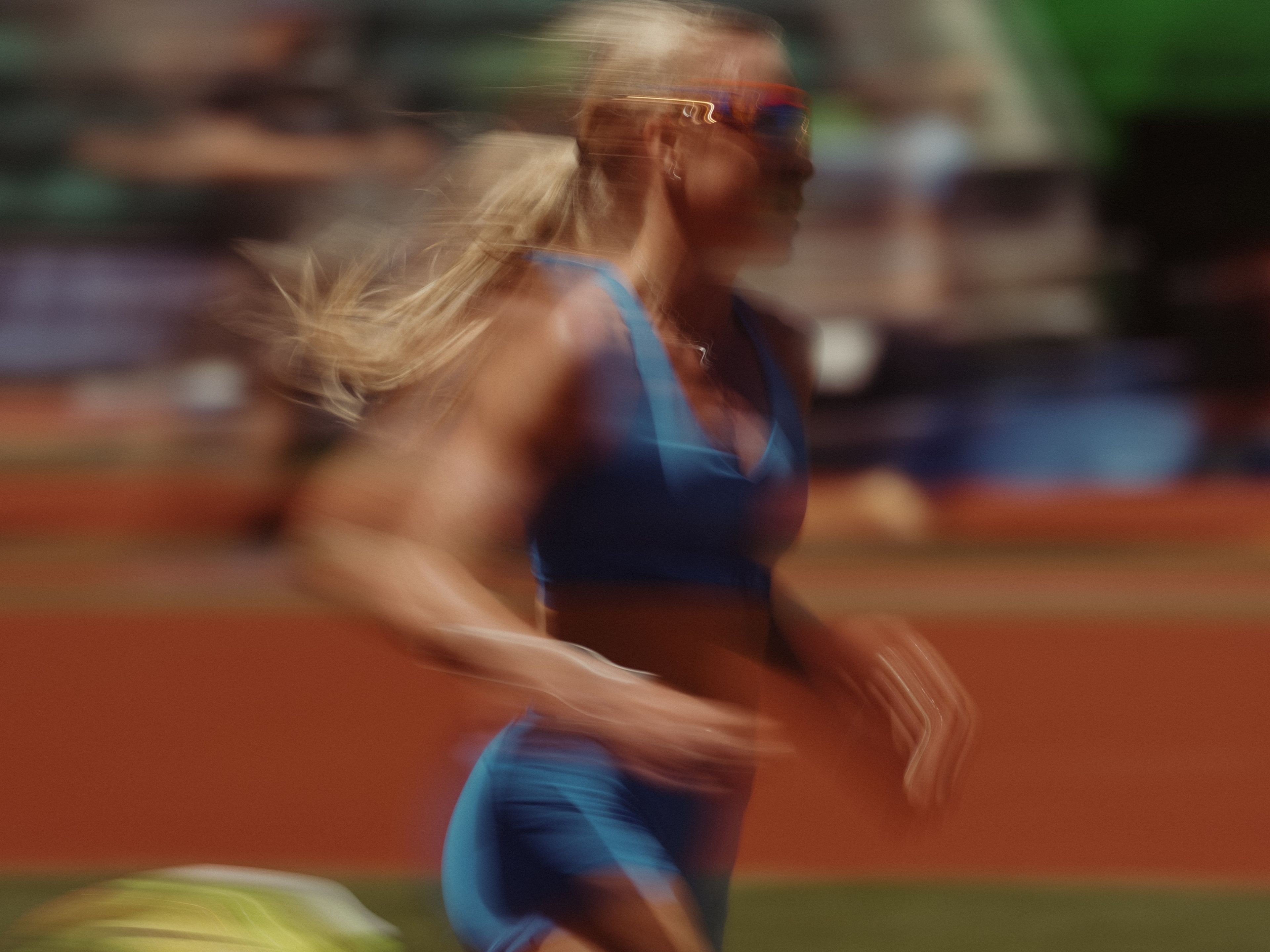
“Our team studied every detail of how Keely moves through space, ensuring the suit works with her stride, her mechanics and her race demands, creating a distraction-free fit that allows her to focus solely on performance.”
Hannah Amis
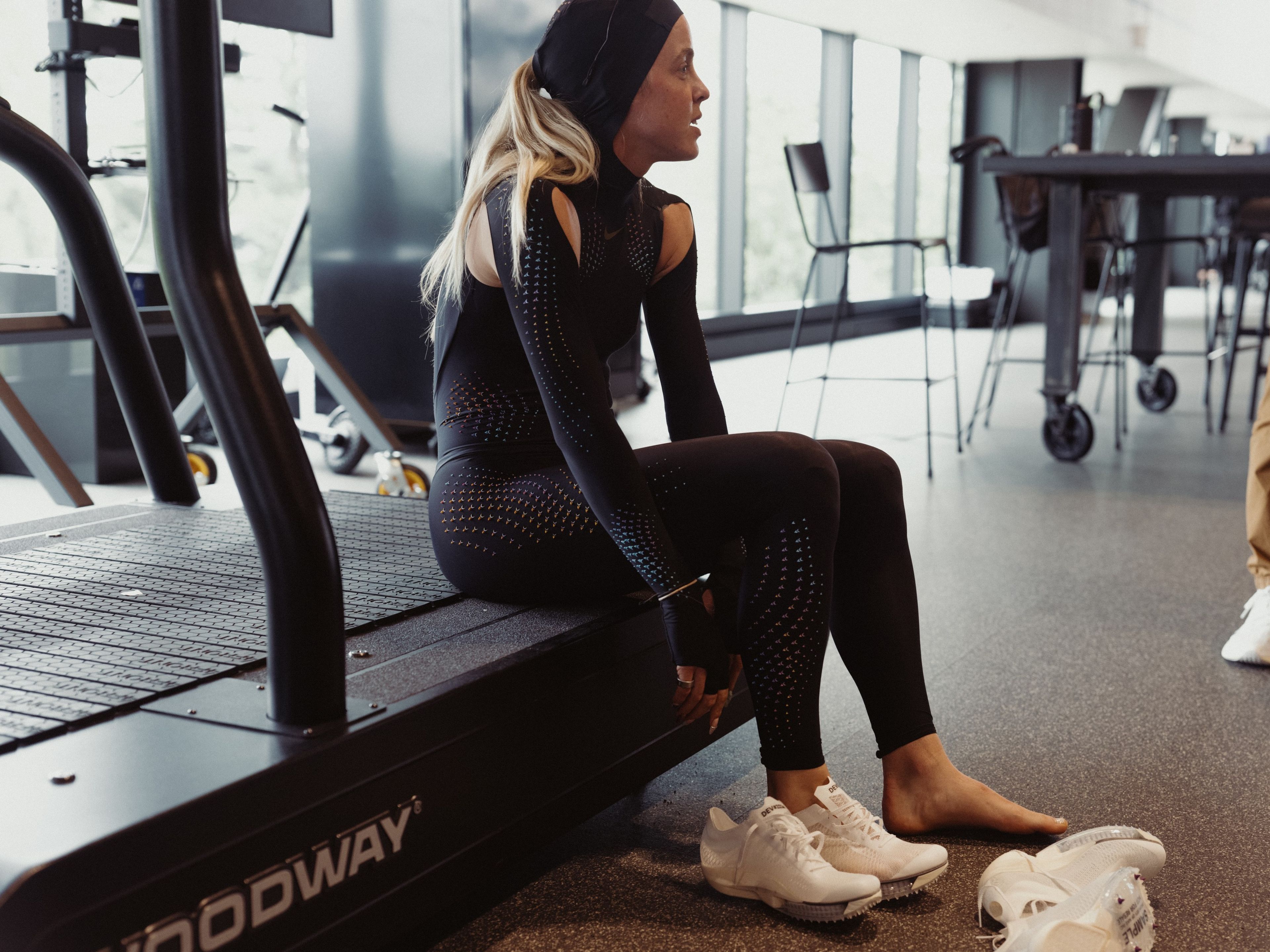
“The hood streamlines the hairline and manages the chaotic aerodynamics of hair in motion. Of course, Keely’s ponytail is iconic to who she is as a person, so we engineered an exact, strategic opening to let her hair flow out the back flawlessly.”
Hannah Amis

To fight back against the wind, Nike innovators leaned heavily on a fundamental truth of sport science: Skin is slow. To maximize aerodynamic efficiency, the design team doubled down on coverage by introducing a sleek speed hood.
“When she first tried the hood on during a fitting session in South Africa, she stepped out laughing and smiling so big, saying, ‘This is mental!’” recalls Amis. “But it’s a true performance piece. The hood streamlines the hairline and manages the chaotic aerodynamics of hair in motion. Of course, Keely’s ponytail is iconic to who she is as a person, so we engineered an exact, strategic opening to let her hair flow out the back flawlessly.”
Look closely, and you’ll also see that there are structural slits in the sides of the hood so Hodgkinson’s 18-gram Nike Vision Airelon Force E sunglasses can slot directly against her temples without stretching the fabric, completing the look and providing a psychological edge.
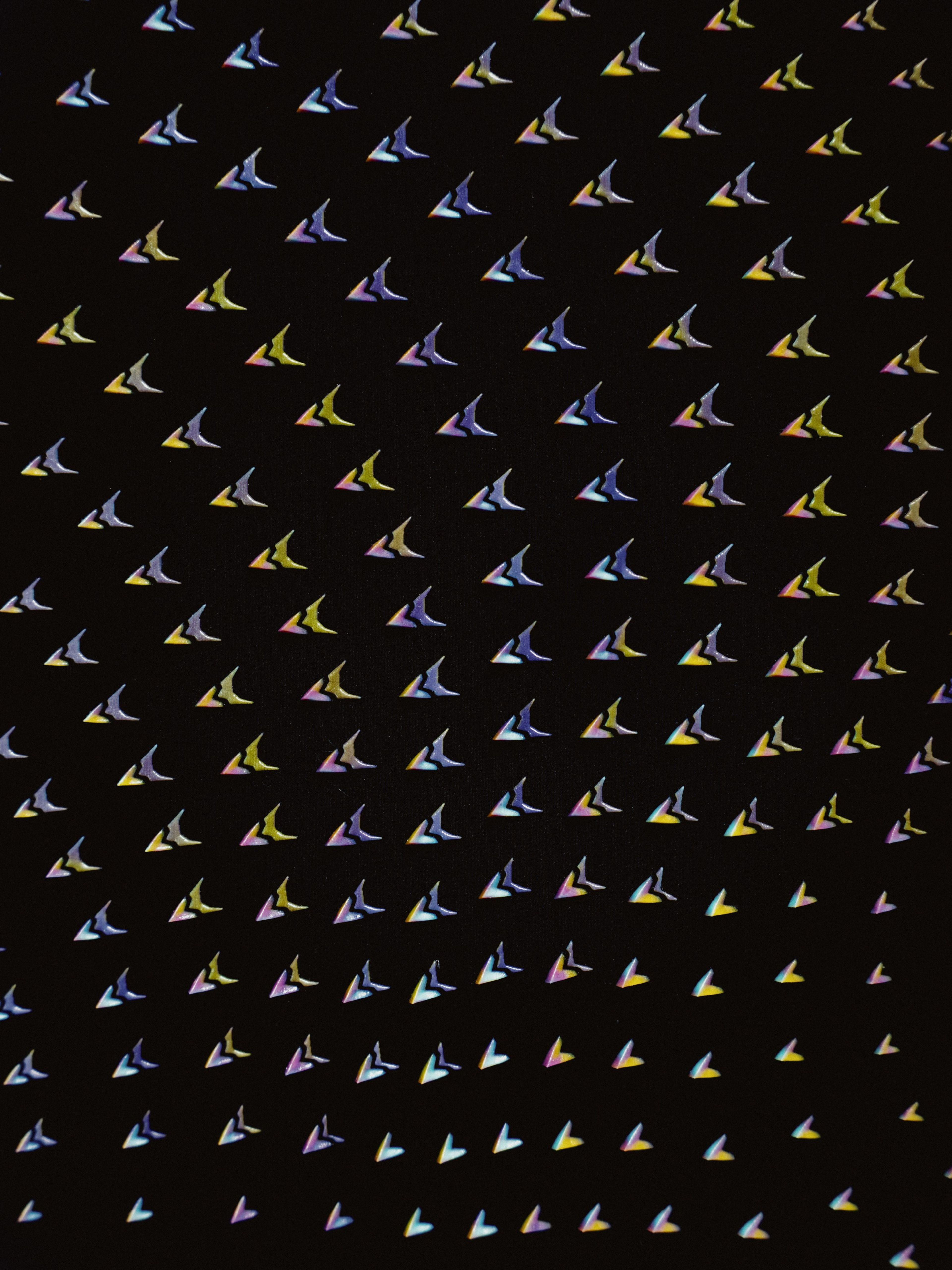
Inevitable turbulence is further tamed by Nike’s fastest vortex generators: 3D-printed delta shapes computationally arrayed along the shoulders, thighs, torso and hood. These tiny devices generate targeted “mini tornadoes,” forcing fast-moving air to attach to the slower airstreams trailing the body rather than separating into a drag-inducing wake.
“There’s a beautiful, healthy tension between mathematical function and visual aesthetic,” says Amis. “We spent six months endlessly tweaking, shifting and obsessing over every detail. Even during our final meeting in Manchester, I checked in to see if she wanted to back out of the hood. She told me she was completely all in. When she pulls it up, it creates an absolute zero-distraction zone. She's locked in.”
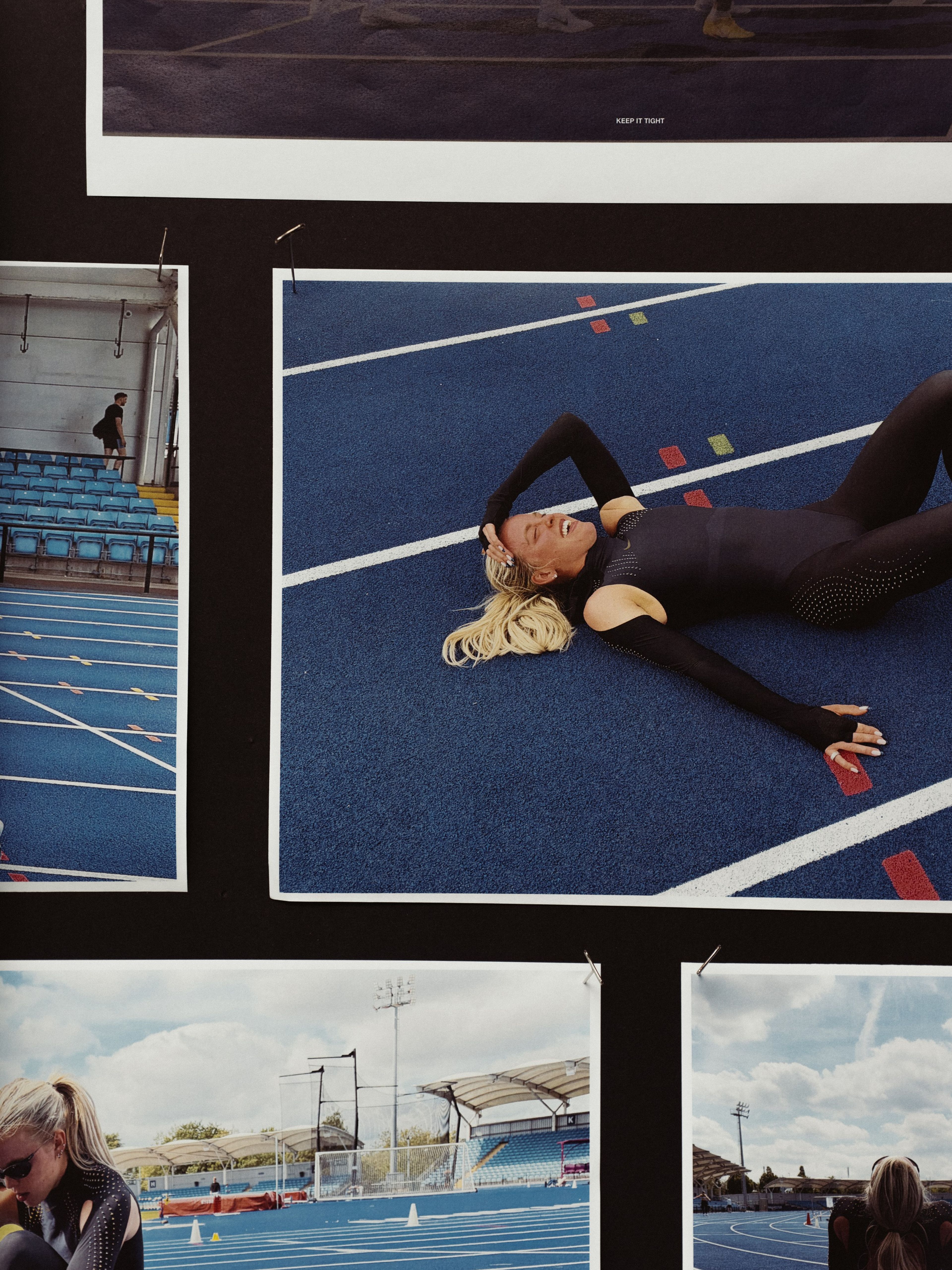
Handcrafted almost entirely within the LeBron James Innovation Center at Nike’s Philip H. Knight Campus, Hodgkinson’s speed suit continues Nike’s tradition of creating athlete-specific innovations while showcasing the next evolution of the company’s innovation process. By bringing athletes, designers, engineers and scientists together under one roof, Nike can move faster from insight to invention, turning athlete feedback into performance solutions with unprecedented speed and precision.
This culture of innovation began with co-founder Bill Bowerman’s obsession with creating custom track spikes for his runners and expanded over Nike’s early years to include bespoke apparel and footwear for elite athletes across disciplines.
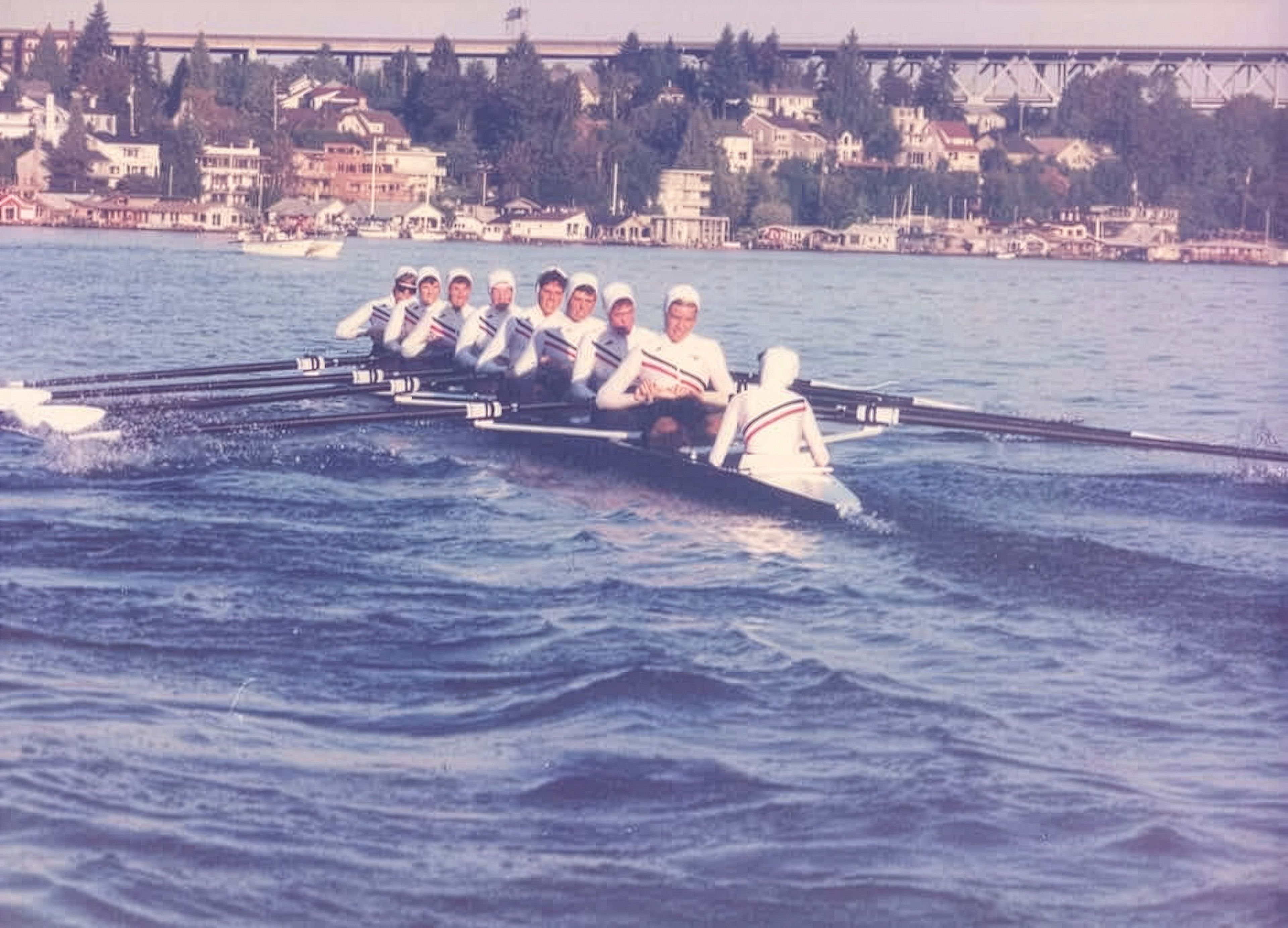
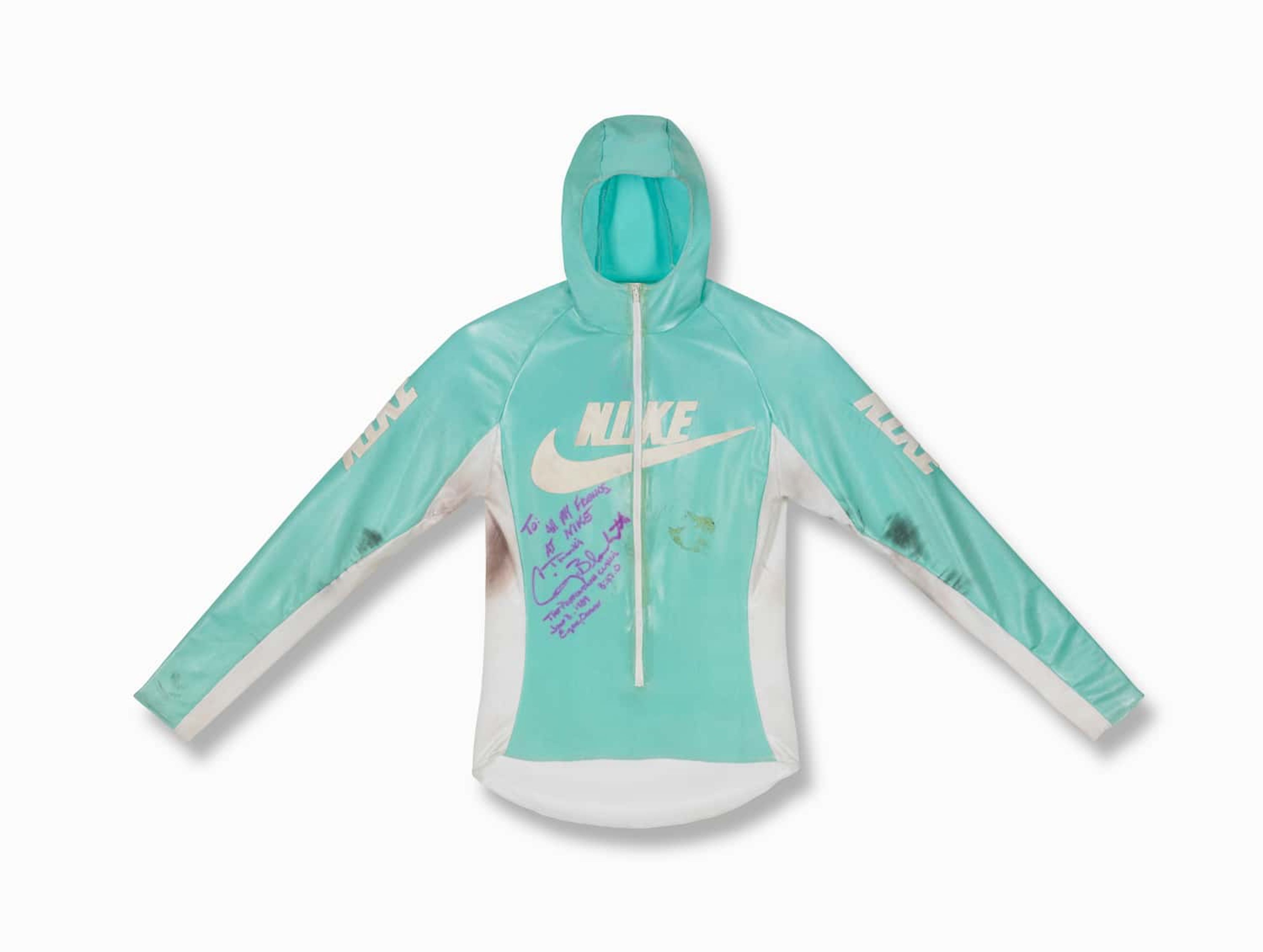
In 1988, for example, Nike outfitted the U.S. rowing team with an array of bespoke aerodynamic innovations, including a hooded full-body suit. Wheelchair racer Craig Blanchette’s early body suits of the same era helped inspire Nike’s Project Swift, which outfitted Australian sprinter Cathy Freeman in a full-length suit that used zoned aerodynamics to both reduce drag and help regulate muscle temperature.
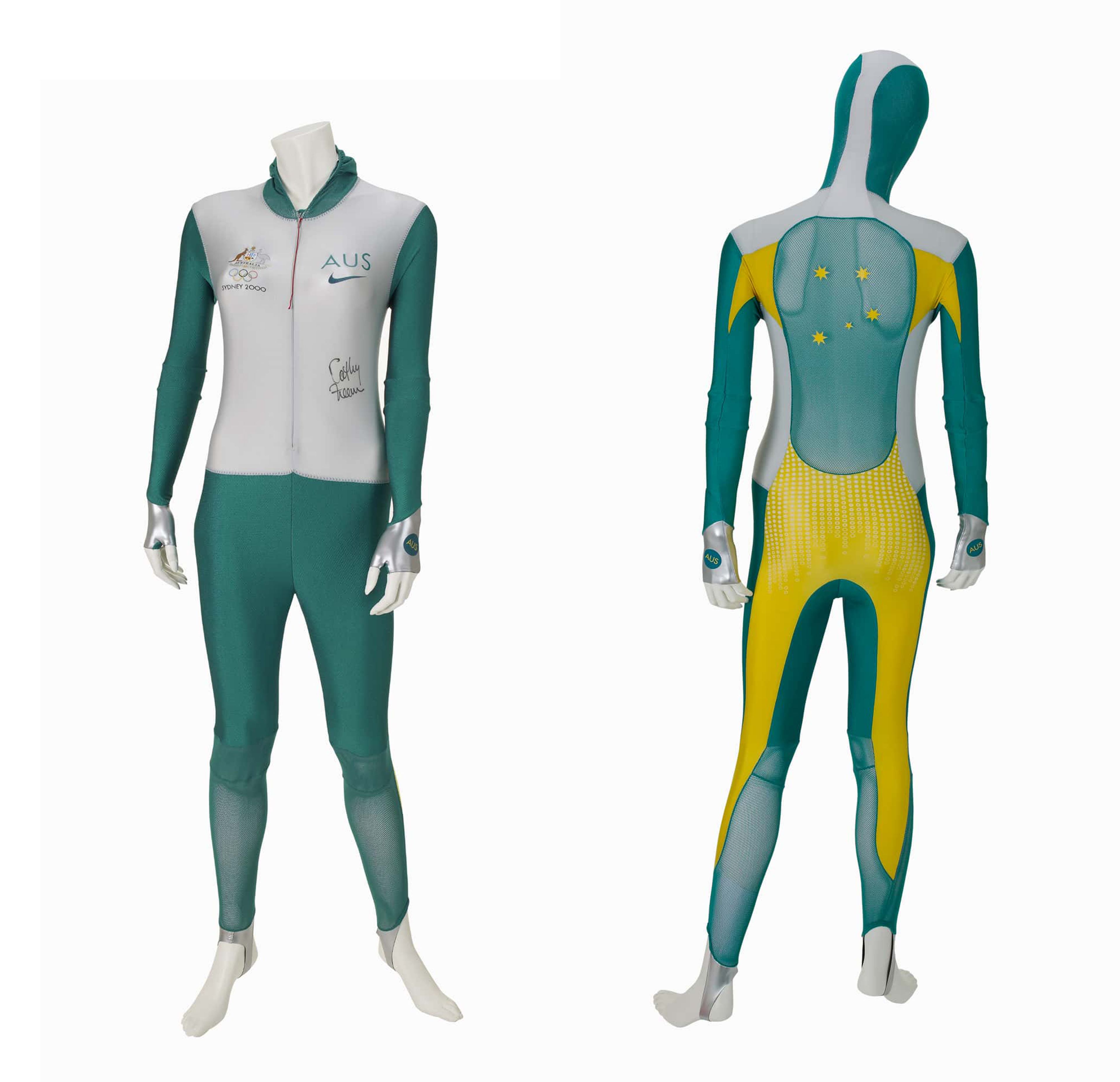
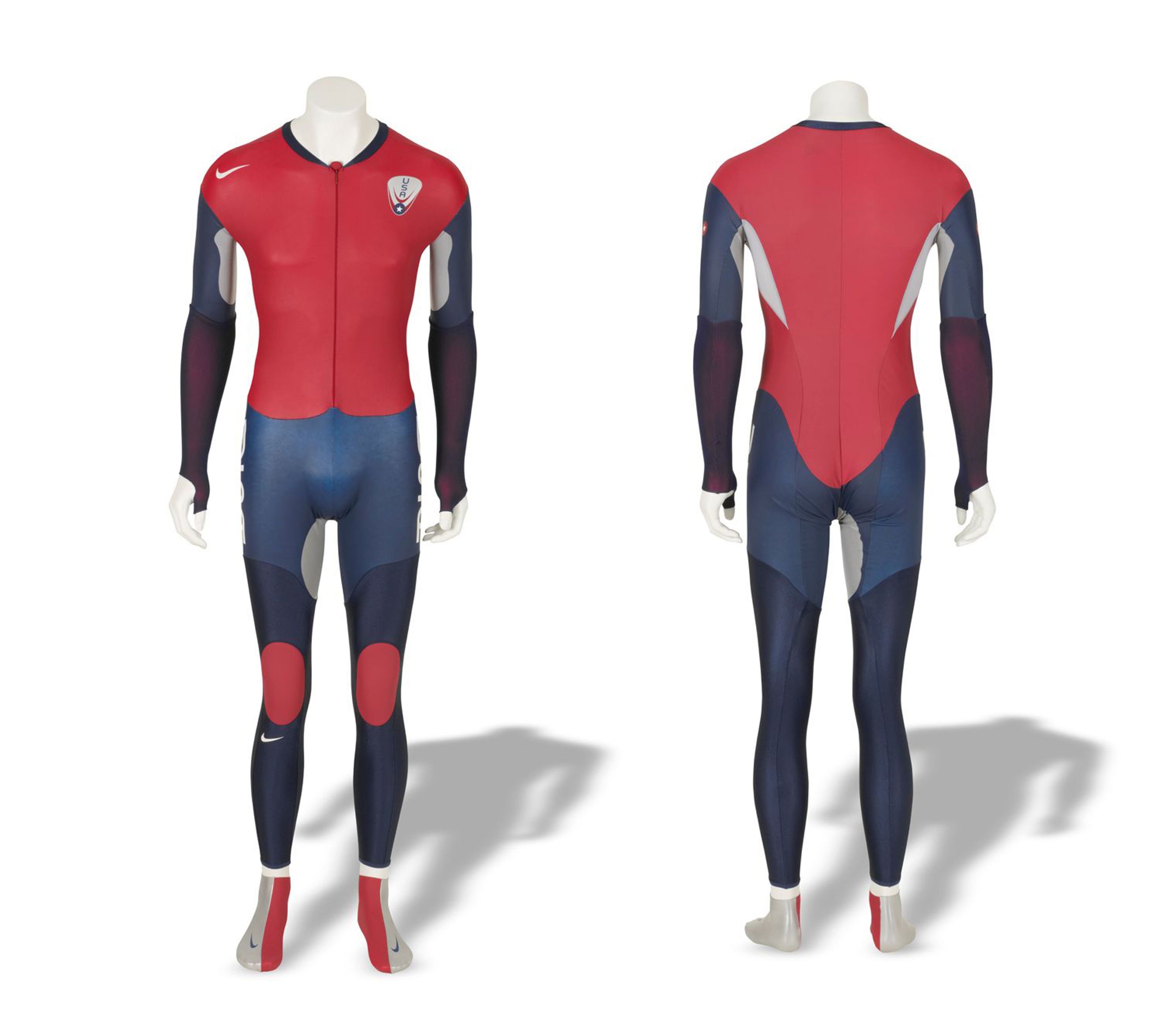
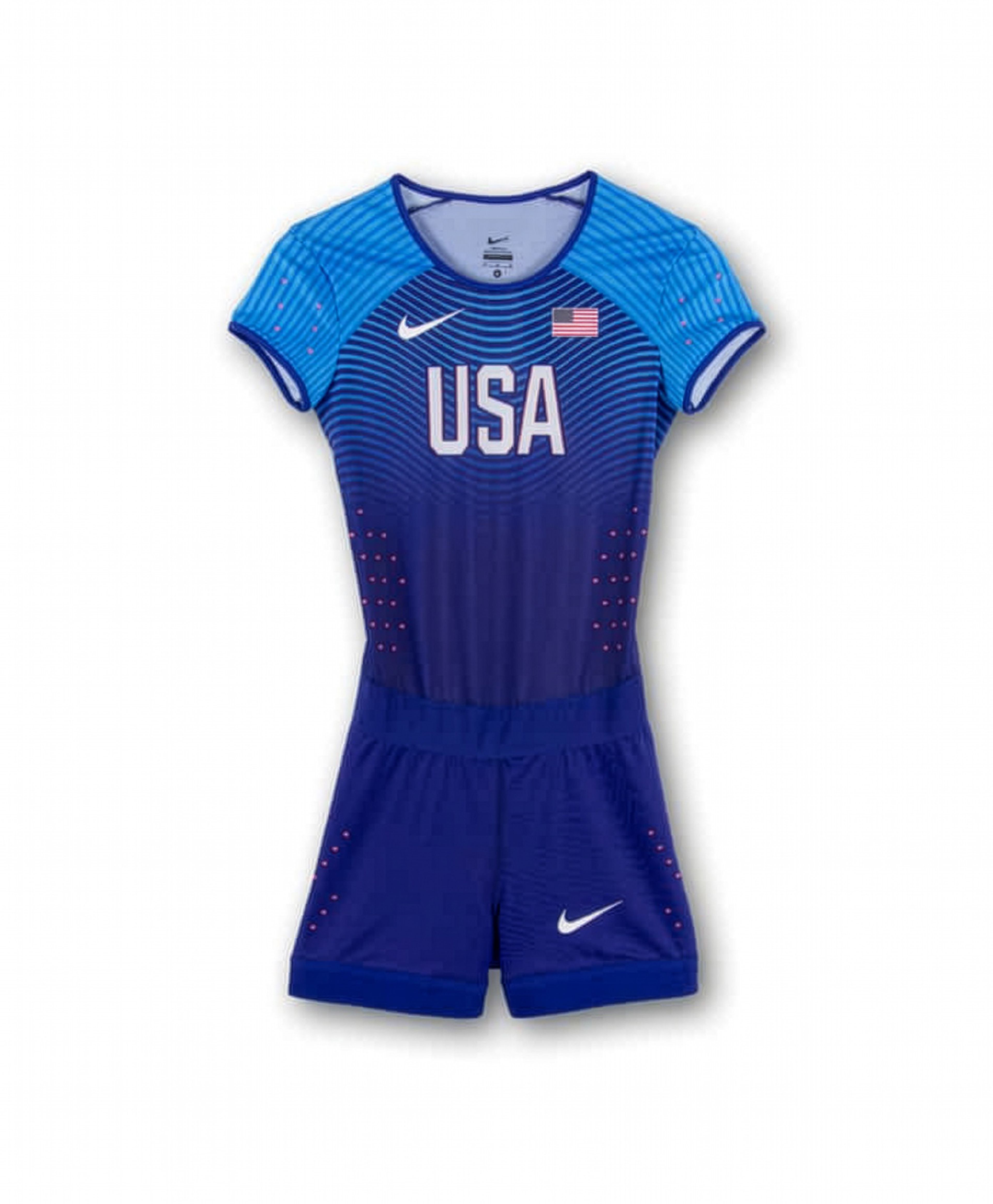
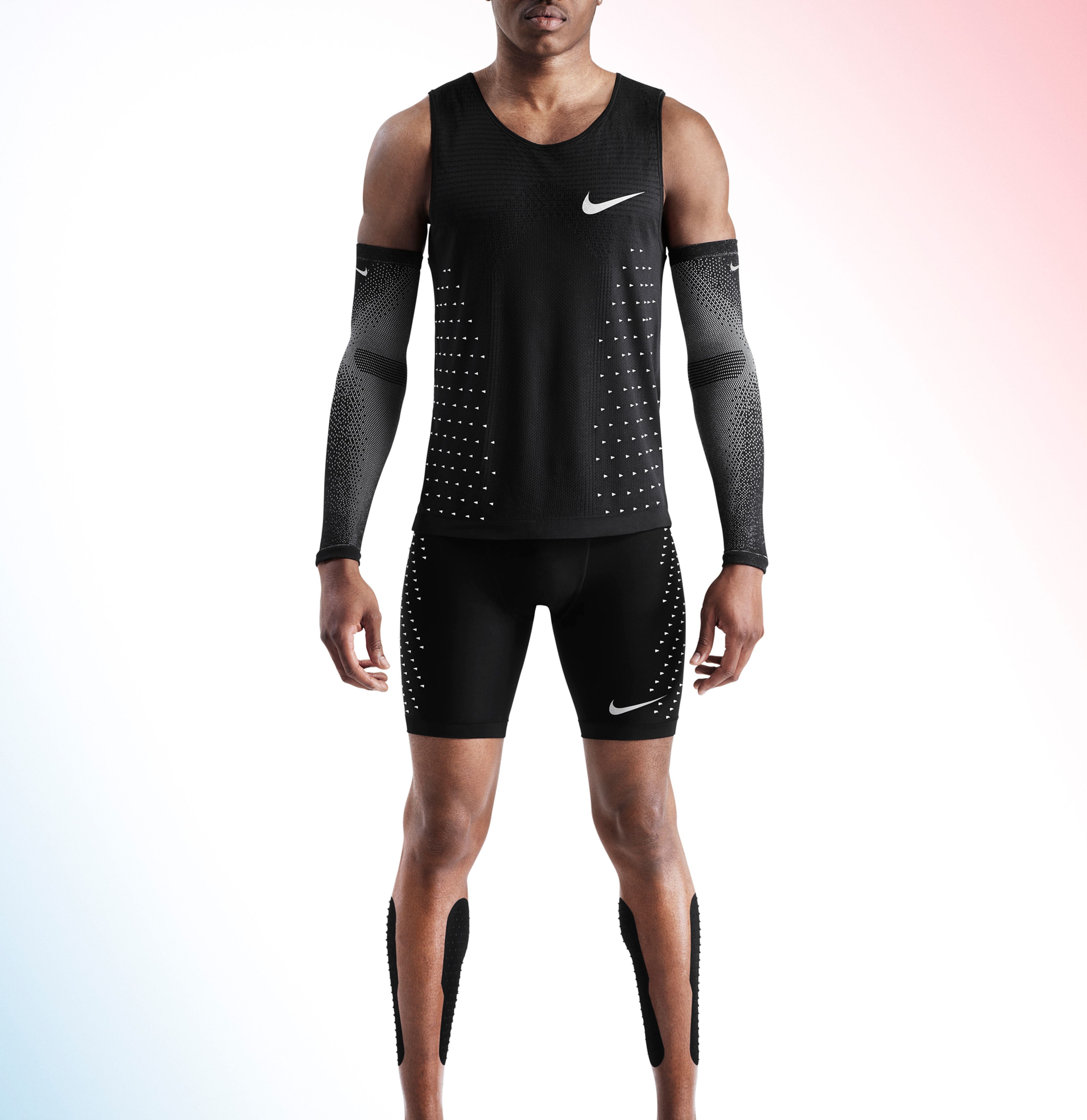
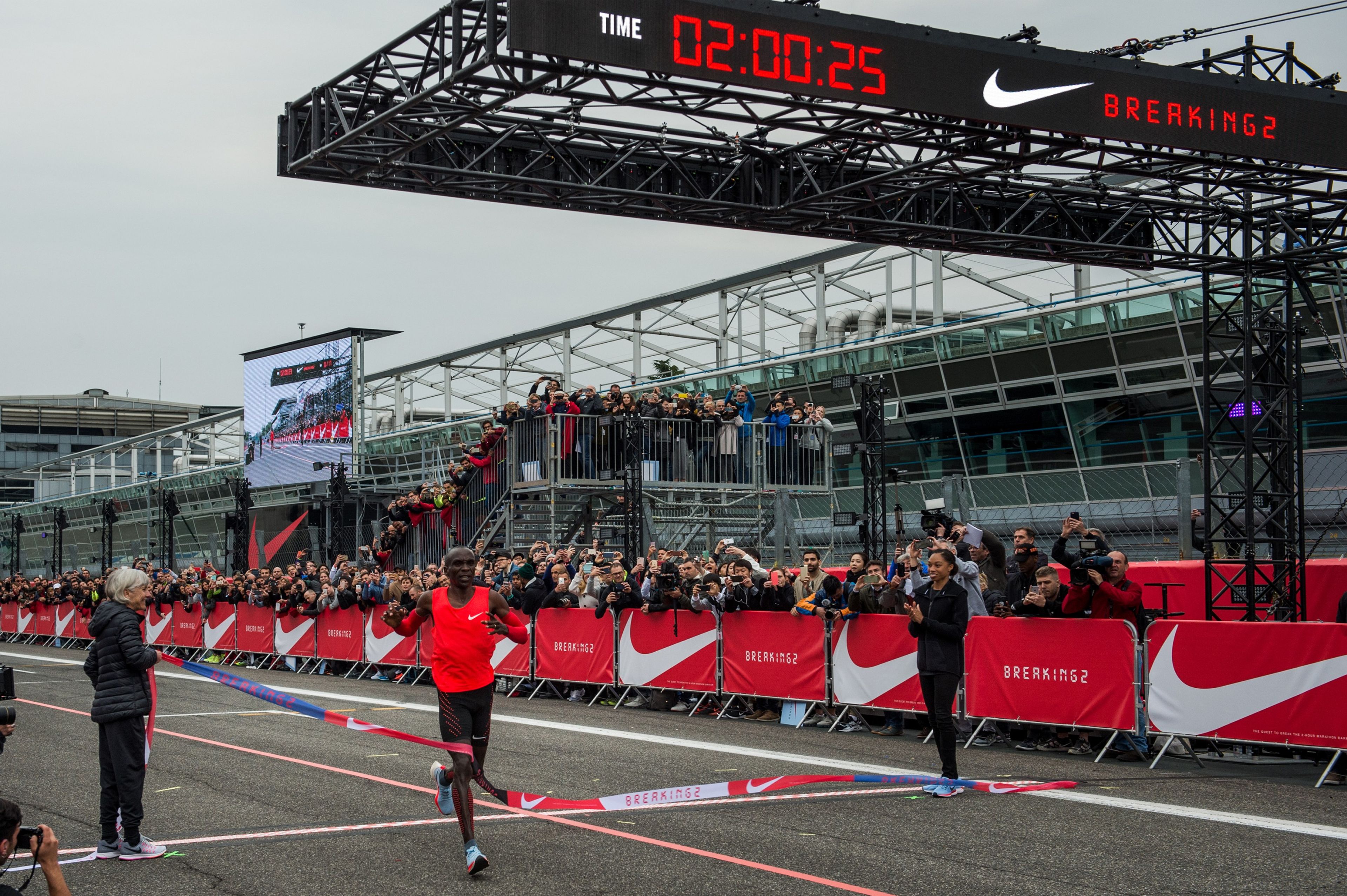
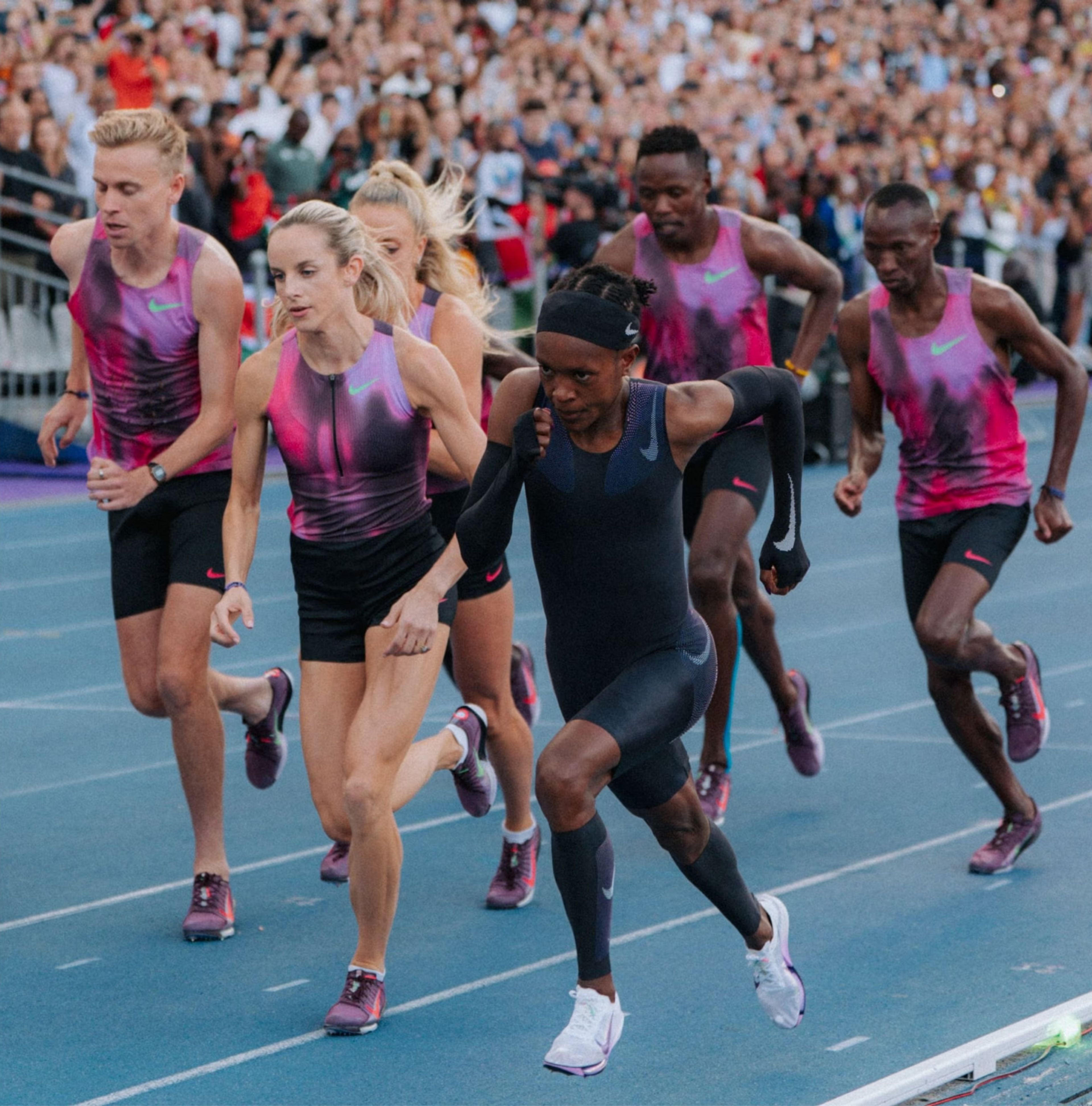
Nike carried forward learnings from Freeman’s gold-medal performance in Sydney, debuting Swift Skin speed-skating suits that helped advance research into efficient airflow and drag reduction. The brand’s TurboSpeed and Aeroblade race apparel from the 2010s then raised the bar by including tiny geometric, silicone-based nodes designed to help reduce drag.
That technology took on a new level of precision in Faith Kipyegon’s 2025 Nike Fly Suit, which included half-sphere Nike Aeronodes, some smaller than a pencil tip, to split the air in front of Kipyegon to reduce drag like never before.
Hodgkinson’s speed suit advances this decades-long commitment to innovation, empowering her to lock in and pursue her dreams in confidence.
Learn more about Hodgkinson’s one-of-one Nike speed suit and her first signature Nike Running collection for all athletes in the NIKE, Inc. Newsroom.