Strengthening Nature Resilience
Healthy forests, freshwater systems and biodiversity are fundamental to NIKE, Inc.’s success and the long-term resilience of communities connected to our business. As climate change continues to impact regions around the world, supply chain continuity and business resilience are increasingly reliant on stewarding natural resources and mitigating water scarcity, biodiversity loss and deforestation.
NIKE, Inc.’s nature strategy focuses on addressing these and other impact areas to help strengthen natural systems where we operate.
Our approach today is centered on two priorities: Water Stewardship and Forest Stewardship.
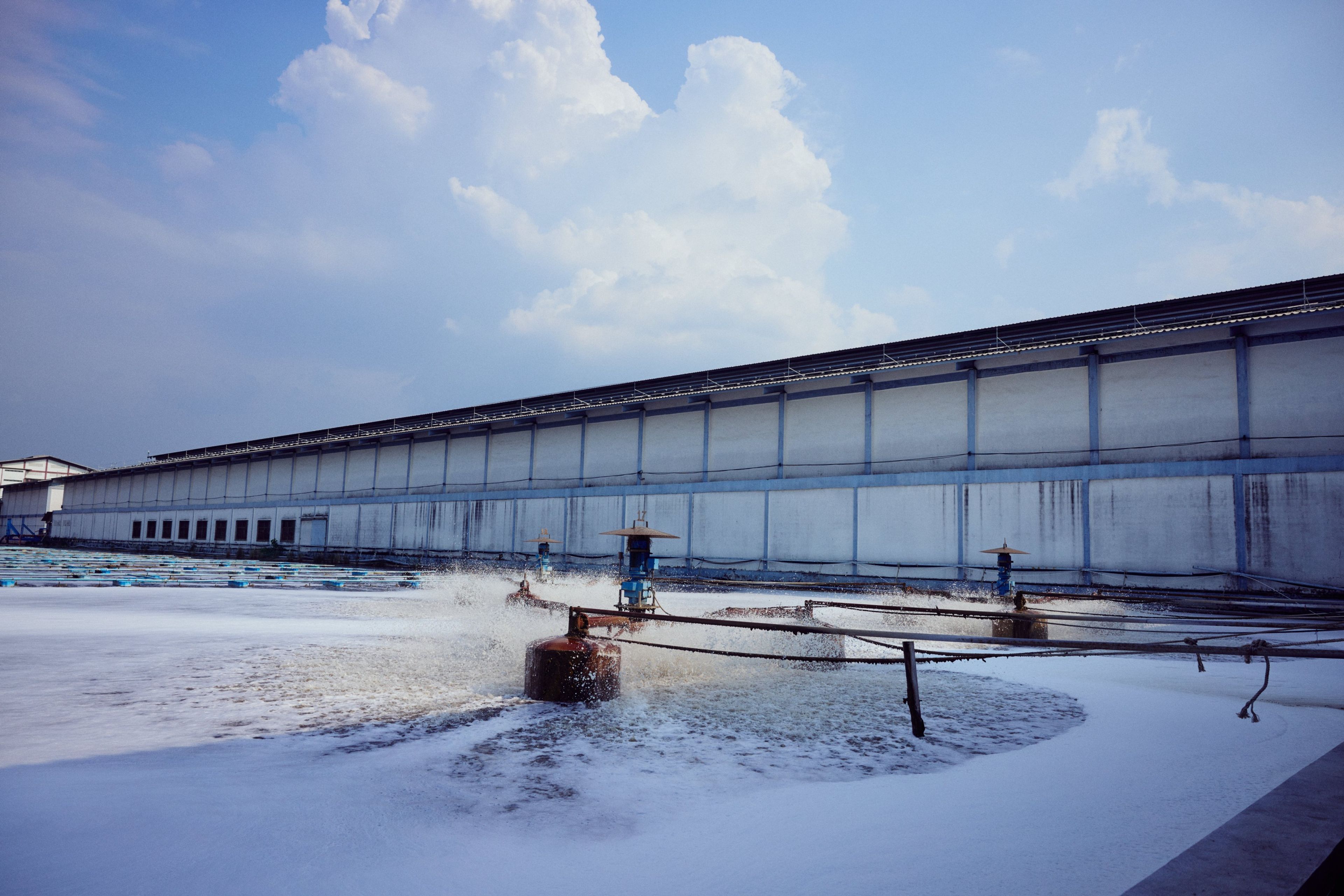
Water is one of the most critical shared resources supporting our value chain. For years, NIKE, Inc. has assessed water-related risks across our value chain to better understand our impacts and dependencies and prioritize action where it can create the greatest environmental and business value.
Our water stewardship approach is informed through engagement with industry-leading partnerships focused on precompetitive collaboration, including the Alliance for Water Stewardship (AWS) and the Water Resilience Coalition's Positive Water Impact ambition. Our efforts to improve water efficiency, strengthen water quality performance, address physical water risks and contribute to watershed resilience are guided by the application of management frameworks from these partnerships.
Water Resilience in Manufacturing
We work with suppliers to reduce freshwater use and improve wastewater management performance across manufacturing operations. We continue to improve water efficiency while maintaining product quality and operational performance through process optimization and the adoption of water recycling and reuse technologies.
Over the past decade, we’ve worked with suppliers to reduce freshwater use in textile dyeing and finishing by more than 40 percent, demonstrating the impact of long-term investments in water stewardship across our manufacturing footprint.
In FY25 specifically, we achieved a 19 percent reduction in freshwater usage per kg textile dyeing and finishing, compared to an FY20 baseline. We set a goal of 25 percent, but changes in production volumes, batch sizes and material mix impacted our ability to reach our original goal. During this period, we also made a strategic shift to dedicate greater focus on the highest risk areas of our value chain. By prioritizing regions facing the greatest water stress and supply chain exposure, we can target resources where they have the potential to create the most meaningful environmental and business impact.
Improving water quality remains a key focus of our strategy. Through supplier engagement, wastewater management improvements and alignment with leading industry standards, we continue to advance responsible wastewater management across our supply chain. Today, approximately 95 percent of NIKE, Inc.’s strategic suppliers meet Zero Discharge of Hazardous Chemicals (ZDHC) wastewater requirements.
Beyond operational performance, we recognize that water-related risks such as drought, water scarcity, flooding and watershed degradation can affect manufacturing continuity and supply chain resilience. We have assessed physical water risks across priority manufacturing facilities* and sourcing regions and developed mitigation plans for facilities facing the highest levels of risk.
*Includes suppliers involved in the dyeing and/or finishing of materials, which directly support footwear and apparel finished product assembly.
Community and Ecosystem Resilience
Many water challenges extend beyond individual facilities and require precompetitive collaboration at the watershed level. To help address these challenges, NIKE, Inc. is advancing a Positive Water Impact approach focused on regions where water stress is highest and where our supply chain has significant exposure. Through partnerships with organizations including Water.org, World Wildlife Fund (WWF) and The Nature Conservancy (TNC), we support projects that improve watershed health, increase water availability and strengthen community resilience.
In FY25, NIKE, Inc. contributed to the restoration of approximately 9.2 billion liters of water through active and completed projects in Australia, Brazil, India, and Pakistan, which are our largest cotton sourcing countries and regions. We funded an additional restoration project in the U.S. that was due to begin accruing an additional estimated 5.86 billion liters annually in FY25, but the project is currently delayed pending administrative sign-off.
Reducing Microfiber Pollution in Manufacturing
As part of our broader water stewardship efforts, we work with industry partners, including The Microfibre Consortium (TMC) and Microfiber Action Alliance (MAA), to address microfiber* pollution across the apparel value chain. As a founding member of the MAA, we are advancing shared research, developing standardized testing approaches, and accelerating solutions alongside partners like TNC. MAA works across brands and suppliers to improve scientific understanding of microfiber impacts and support the development of scalable solutions to reduce microfiber pollution.
*In general, microplastics are defined as particles of plastic that are no greater than 5mm in any dimension. Microfibers are defined as being smaller than 15mm in length, with a length to diameter ratio greater than 3:1. In addition, microfiber composition is not limited to plastic alone. Any fiber within the size threshold is defined as a microfiber, including those from natural sources like cotton or wool.
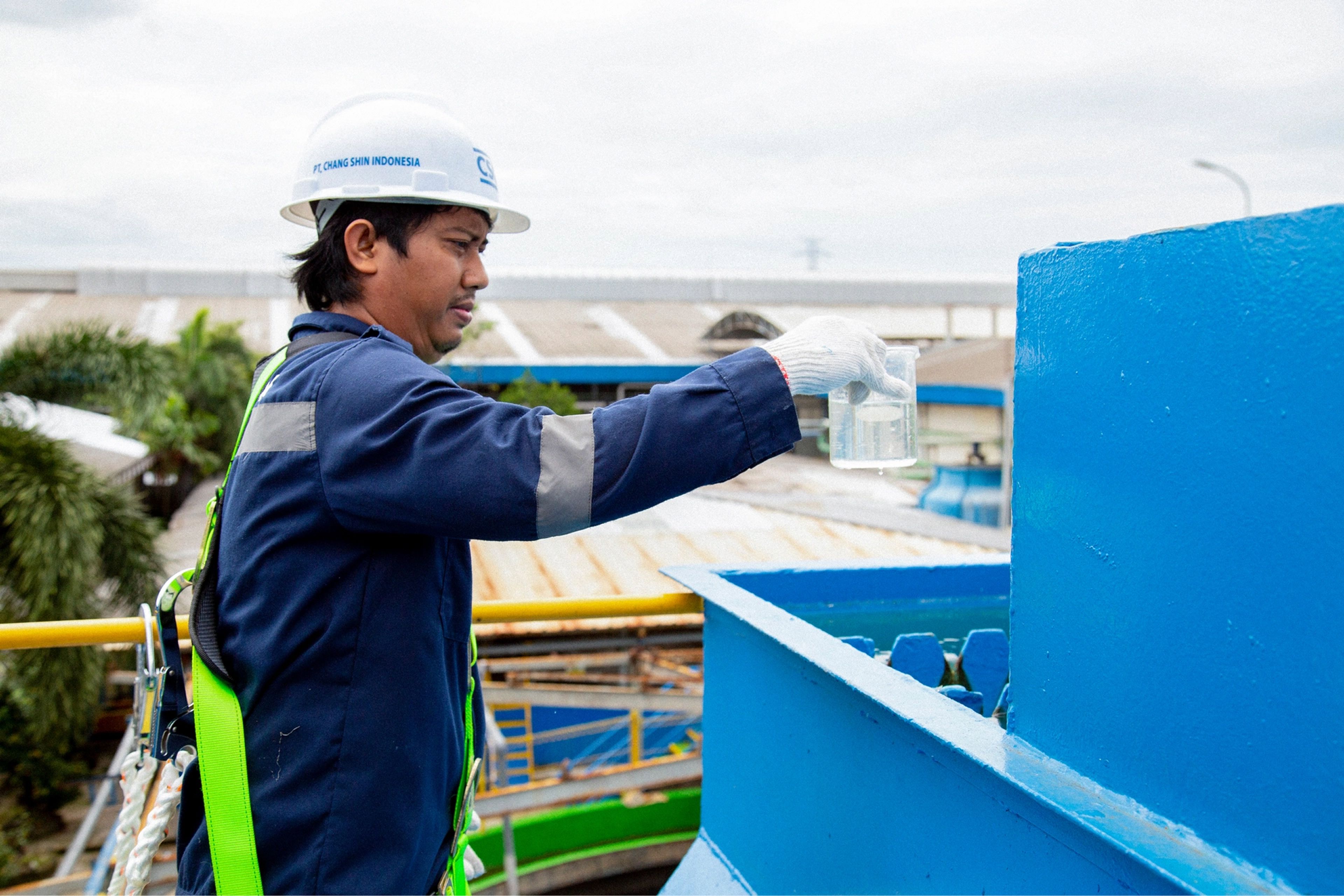
Deforestation and land conversion linked to raw materials sourcing are key risks to climate, biodiversity and long‑term supply resilience. Primary materials used in our products, including leather, natural rubber and paper, can originate from regions facing high deforestation pressure. Strengthening visibility and accountability across these supply chains is essential to reducing risk and protecting natural ecosystems.
We are working to address these challenges by improving traceability, building robust risk assessment and scaling verification of deforestation‑ and conversion‑free sourcing. This includes implementing geospatial analytics aligned with emerging regulations to identify high‑risk areas, alongside scaling the use of certified and recycled materials to reduce reliance on at‑risk sources. We are also collaborating with industry and NGO partners through initiatives such as WWF’s Forests Forward program and the Deforestation-Free Call to Action for Leather, led by Textile Exchange, the Leather Working Group and WWF to drive collective progress.
Through these efforts, NIKE, Inc. is working to transition priority materials toward more responsible sourcing, support forest‑positive outcomes across key regions and help protect ecosystems while strengthening supply chain resilience.