The Birth of ACG: The Summit that Launched a Legacy

- February 02, 2026
- Words:
At the base of K2, the world’s second-highest peak, two American climbers sat among their gear, snow-streaked ridgelines rising behind them. Their faces were lean from 68 days on the mountain. Both wore yellow Nike Long Distance Vectors (LDVs) — one of the brand’s top long-distance running shoes at the time — which looked as battered as the climbers themselves. A picture was needed to mark the moment; one of the men raised a thumb toward the camera. The photograph, taken by mountaineering photographer Dianne Roberts in 1978, would go on to become one of Nike’s most unexpected origin stories.
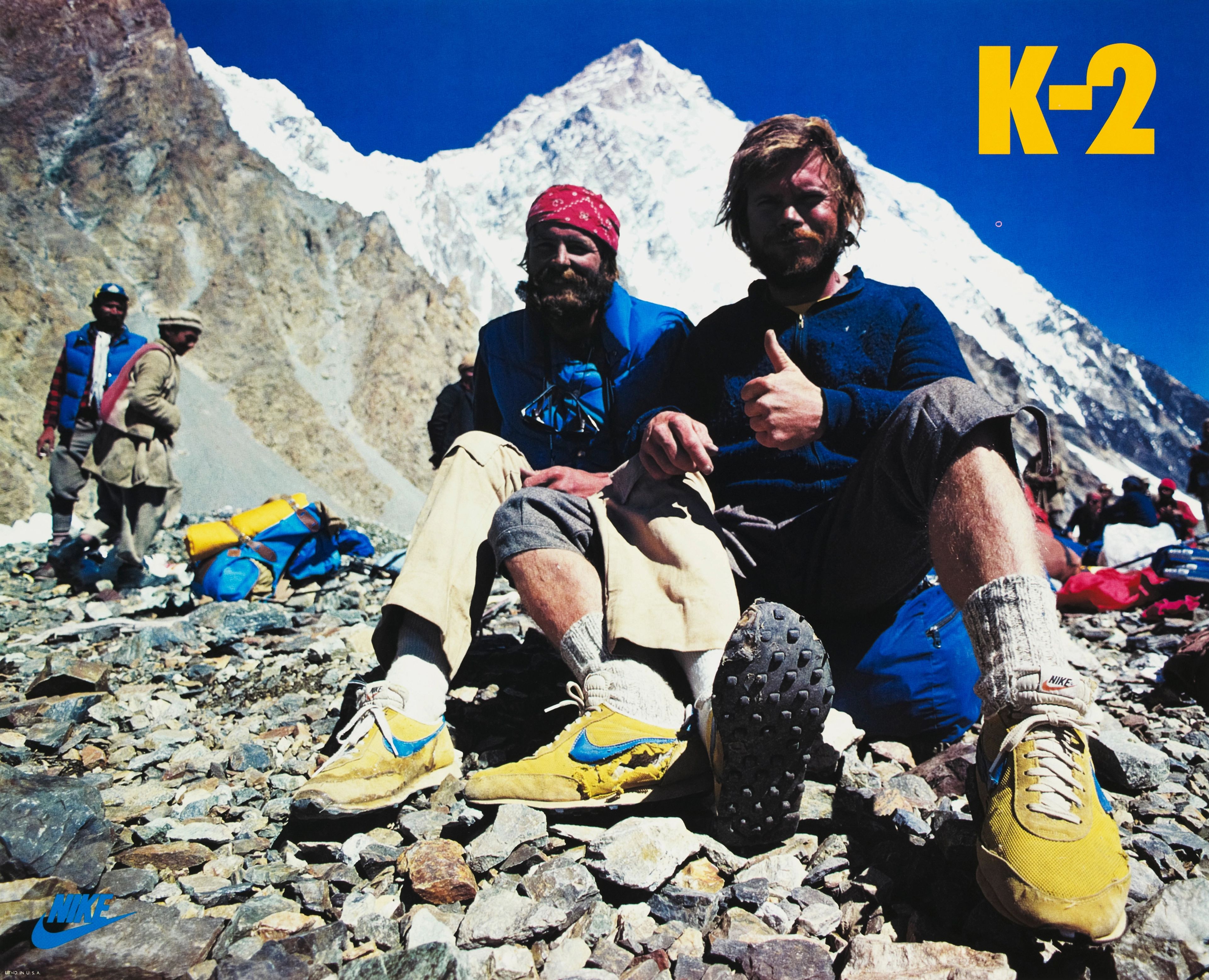
In 1978, photographer Dianne Roberts captured this image of Rick Ridgeway and John Roskelley at K2 basecamp, a photo that would become integral to the story of Nike’s All Conditions Gear (ACG).
Months earlier, Nike had quietly supplied the expedition with those lightweight trainers, a last-minute gift meant for the 110-mile approach to basecamp. “A lot of it was off-trail,” recalled Rick Ridgeway, one of the climbers in the photo and a leading American alpinist of the era. “You can imagine they were pretty trashed by the time we got there.”
In those years, most climbers relied on stiff leather boots built in Europe. The LDVs were the opposite: soft, breathable and fast. “They were just more flexible and more comfortable,” Ridgeway said. “What was really cool about those LDVs is that you need to hop around on rocks. This was a rough hike so you could boulder hop. They breathed better. They were functionally superior to the more rigid traditional trekking shoe.”
“What was really cool about those LDVs is that you need to hop around on rocks. This was a rough hike so you could boulder hop. They breathed better. They were functionally superior to the more rigid traditional trekking shoe.”
Rick Ridgeway, Climber and leading American alpinist of the era
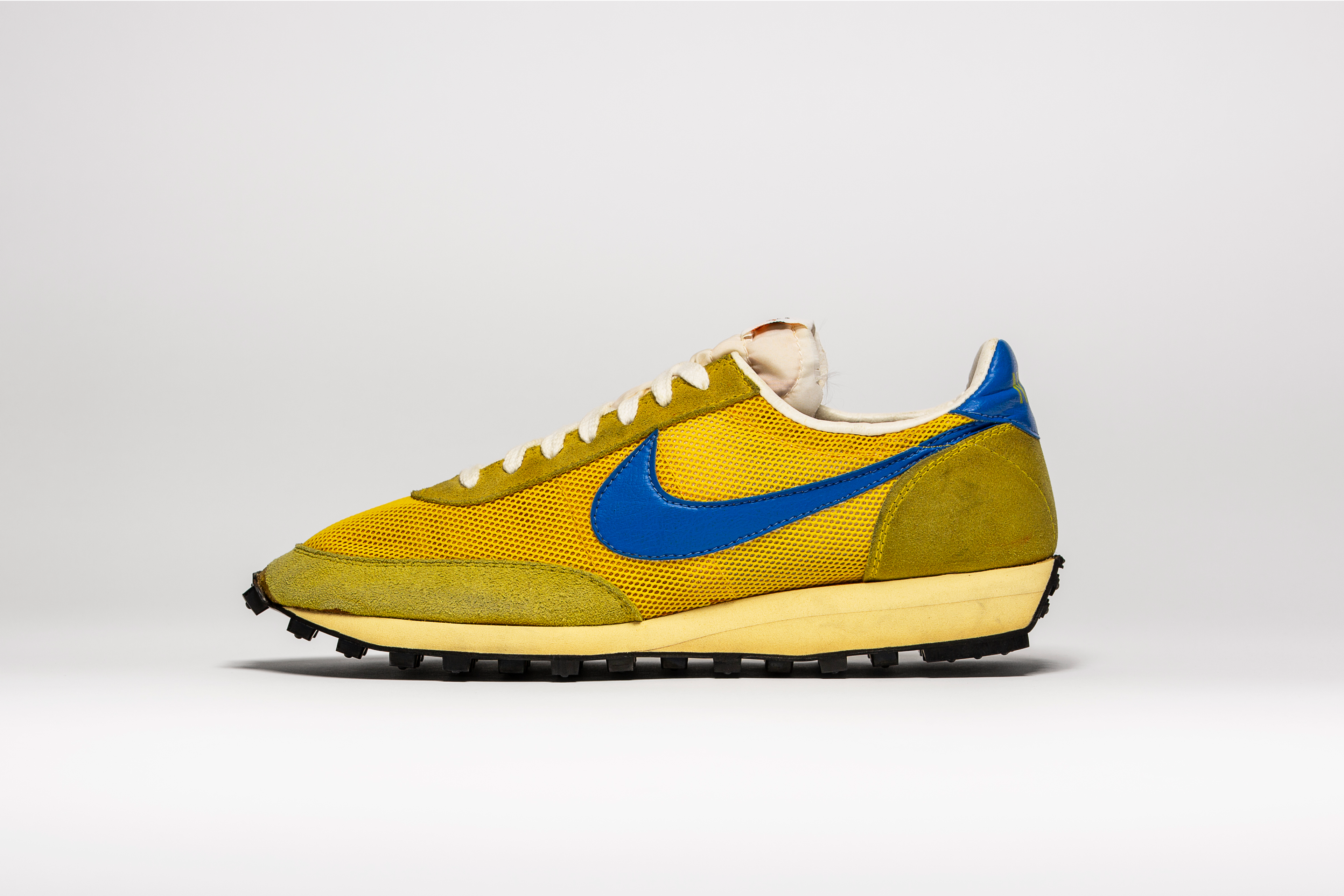
The LDV evolved from Nike’s LD-1000 as a lightweight, straight-lasted stability runner designed by Bill Bowerman and Eugene orthopedist Dennis Vixie.
Internally, Nike referred to the model as the “Long Distance Vixie” because Eugene podiatrist Dennis Vixie made the last. Externally, it was known as the Long Distance Vector.
At the time, Nike hadn’t yet stepped into the outdoor business — the shoes had simply been a goodwill gesture for the expedition. No one could have predicted that they would plant the seed for an entirely new category.
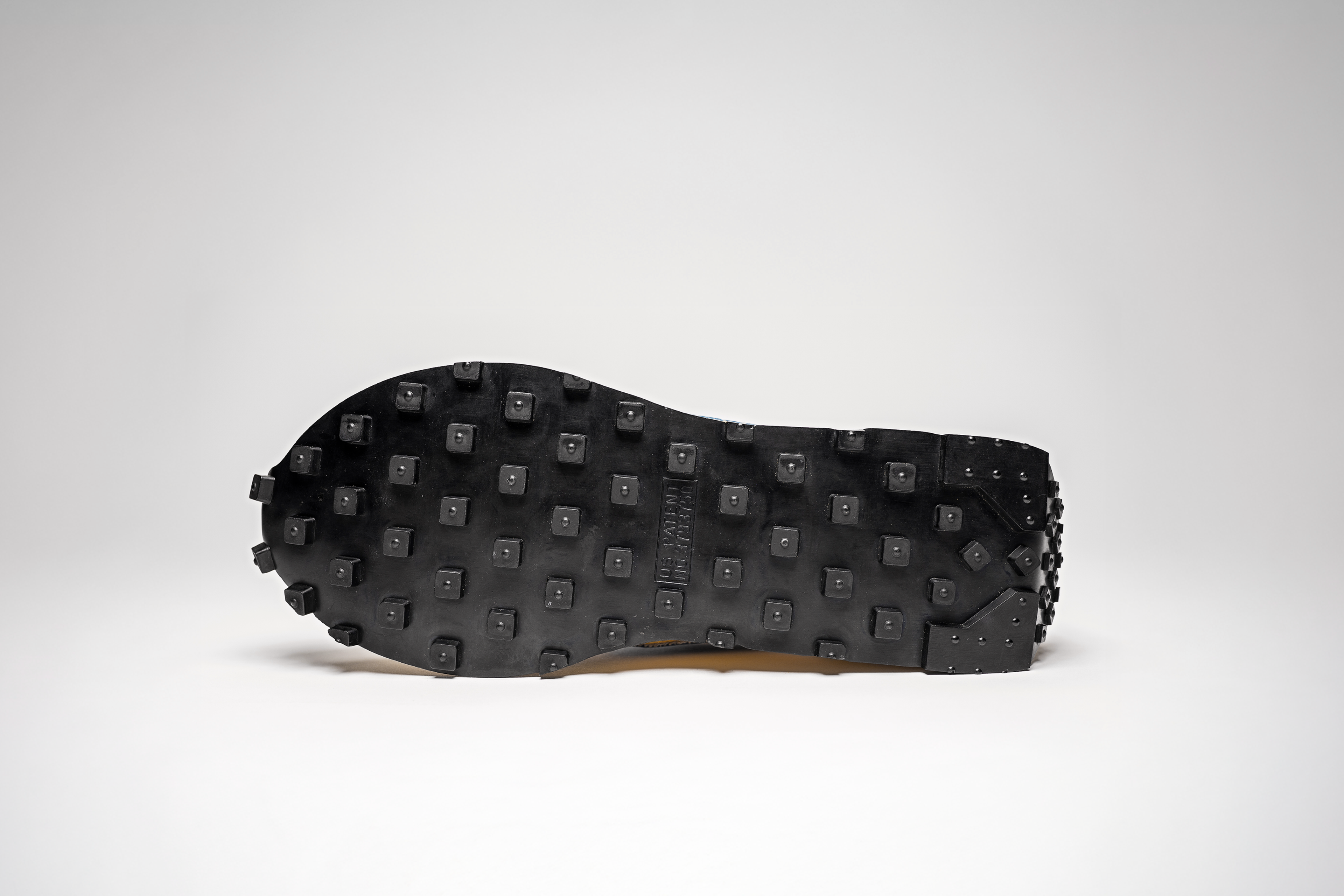
One of Nike’s top long-distance running shoes at the time, the LDV was built for lightweight speed and comfort rather than mountaineering.
By the time the team descended, the fabric sneakers had nearly fallen apart. Ridgeway and Roskelley held them together with tape and glue for the long walk back to the roadhead. “Being up that high for that long without oxygen, it was hard,” Ridgeway remembered. “But we made it. And on the way out, we started talking about how the shoe could be modified to make it into a usable trekking shoe.”
When they returned home, the climbers mailed their blown-out LDVs to Nike along with a short list of suggested improvements, including a tougher sole and more rugged upper, while still keeping the shoe lightweight and flexible. Those notes would help spark Nike’s first outdoor footwear line and, eventually, the category that became All Conditions Gear (ACG).
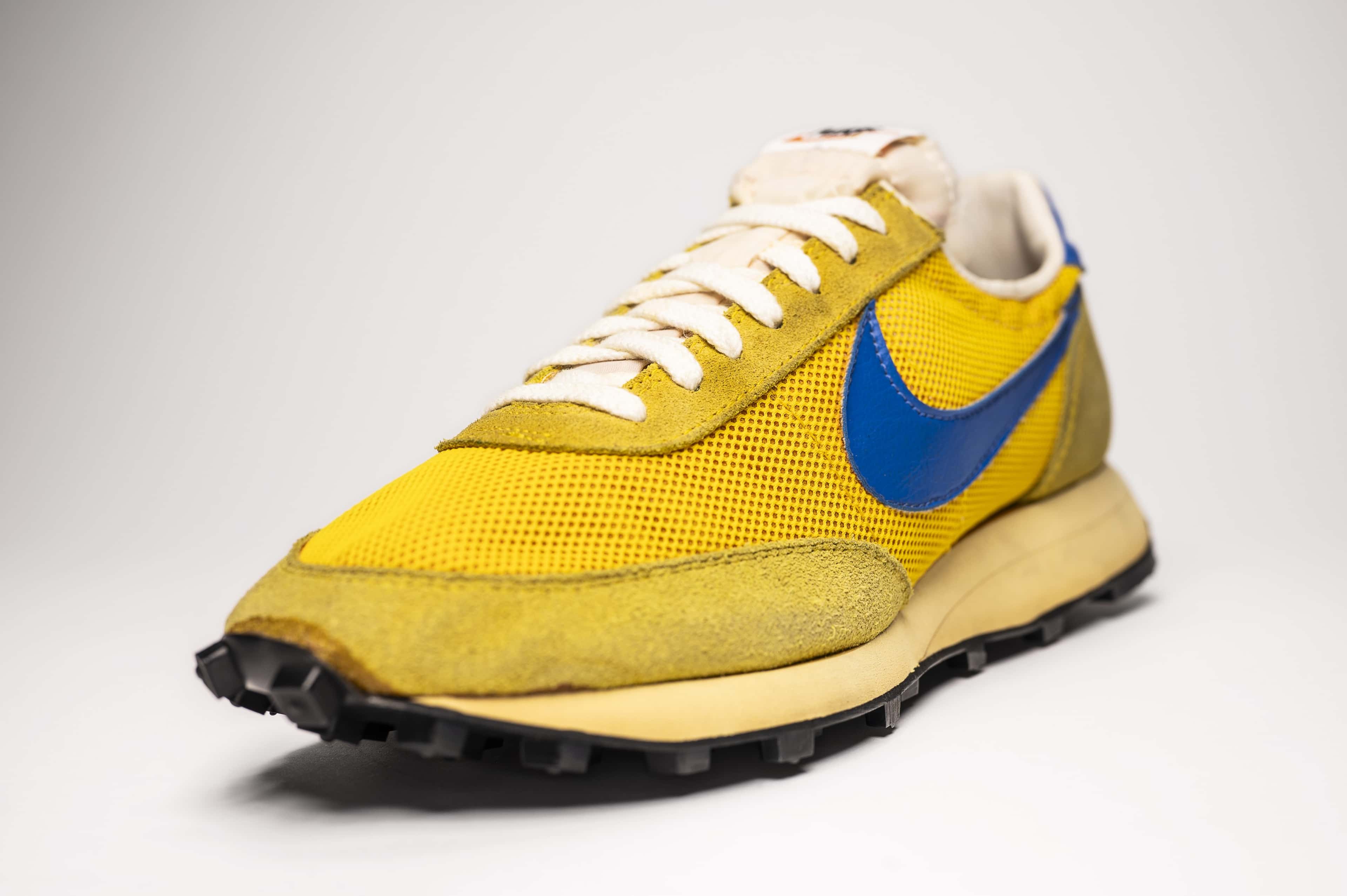
Internally, Nike referred to the model as the “Long Distance Vixie” because Eugene podiatrist Dennis Vixie made the last. Externally, it was known as the Long Distance Vector.
Nike’s design team took the climbers’ feedback to heart. The field-worn LDVs had proven that lighter footwear could thrive where only heavy boots once ruled. The idea that “light is right” began to ripple through the brand’s ranks.
By 1981, that thinking produced three shoes that merged the best of Nike running with durability for rough terrain: the Lava Dome, the Approach and the Magma. Nike’s first shoe to use a GORE-TEX lining; the design shape would later inform early thinking behind the Air Force 1. “It became very apparent that world-class athletes [were] going really lightweight,” recalled product manager Monte Mayko, who helped lead the project from Nike’s Exeter, New Hampshire factory. “It made total sense.”
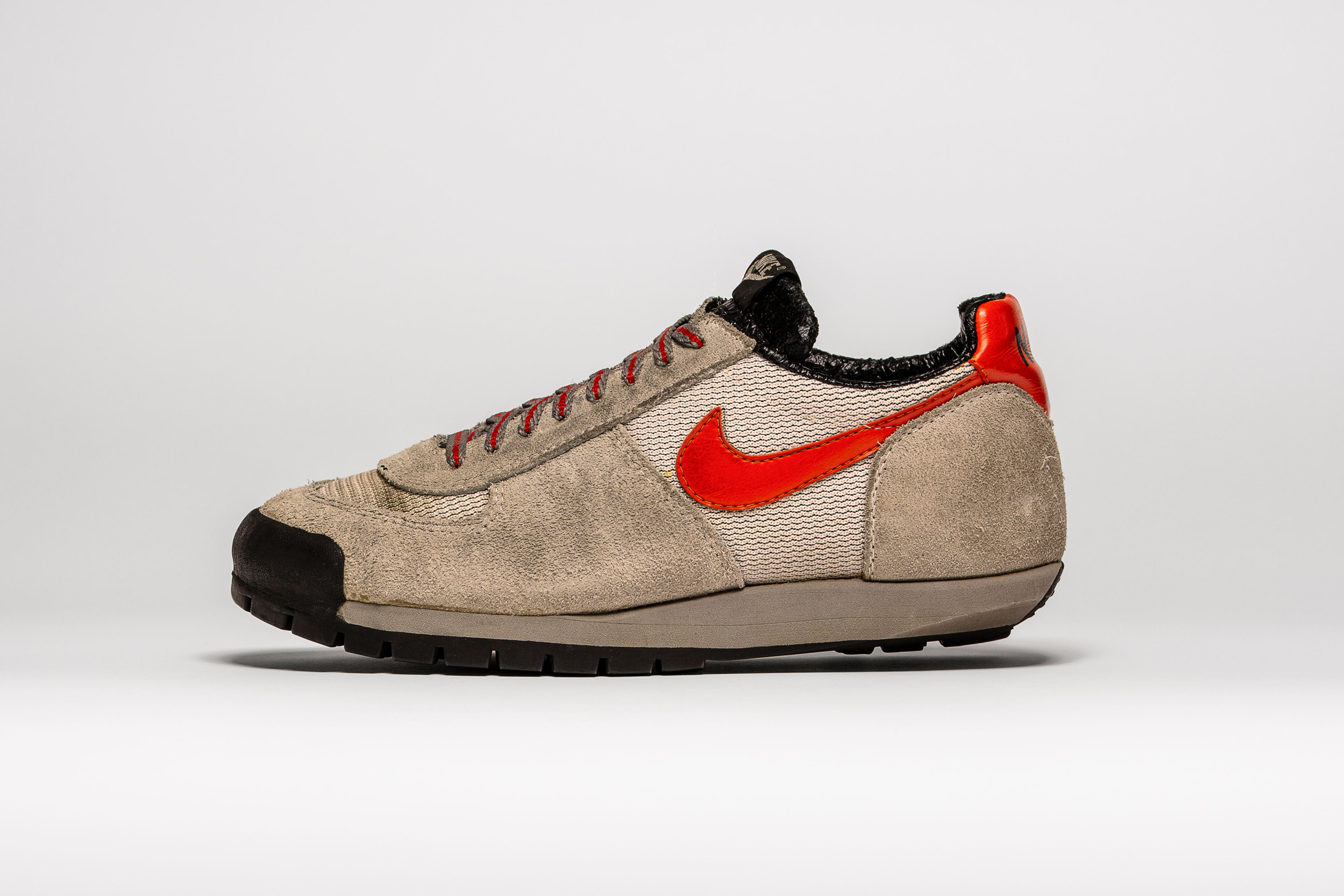
Released before ACG’s 1989 debut, the Lava Dome was one of Nike’s first lightweight hiking shoes.
“Turning a training shoe into a trekking shoe. Nobody had done that. It was kind of revolutionary.”
Rick Ridgeway
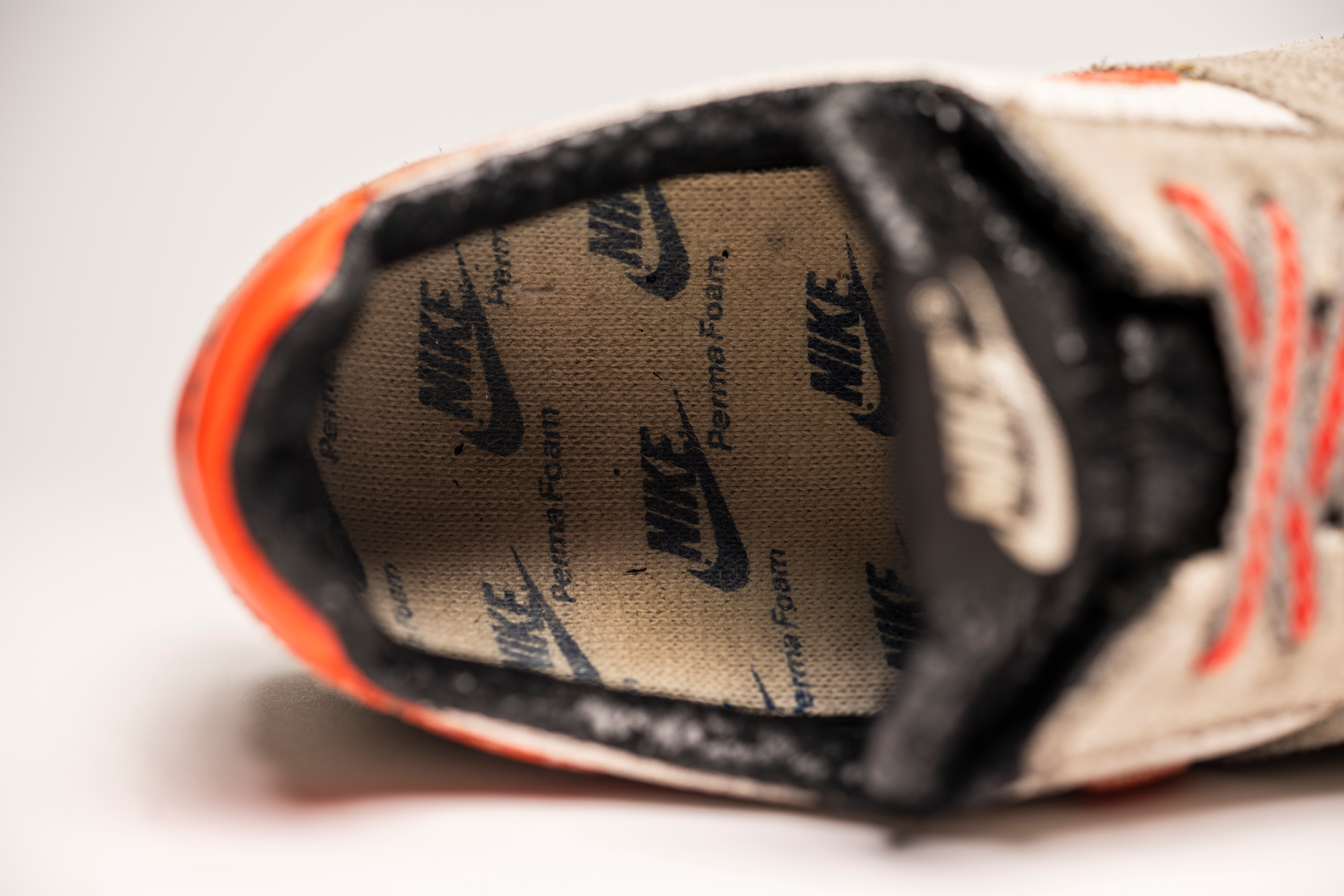
It was created by Trip Allen and Monte Mayko with aesthetic styling and a lightweight design.
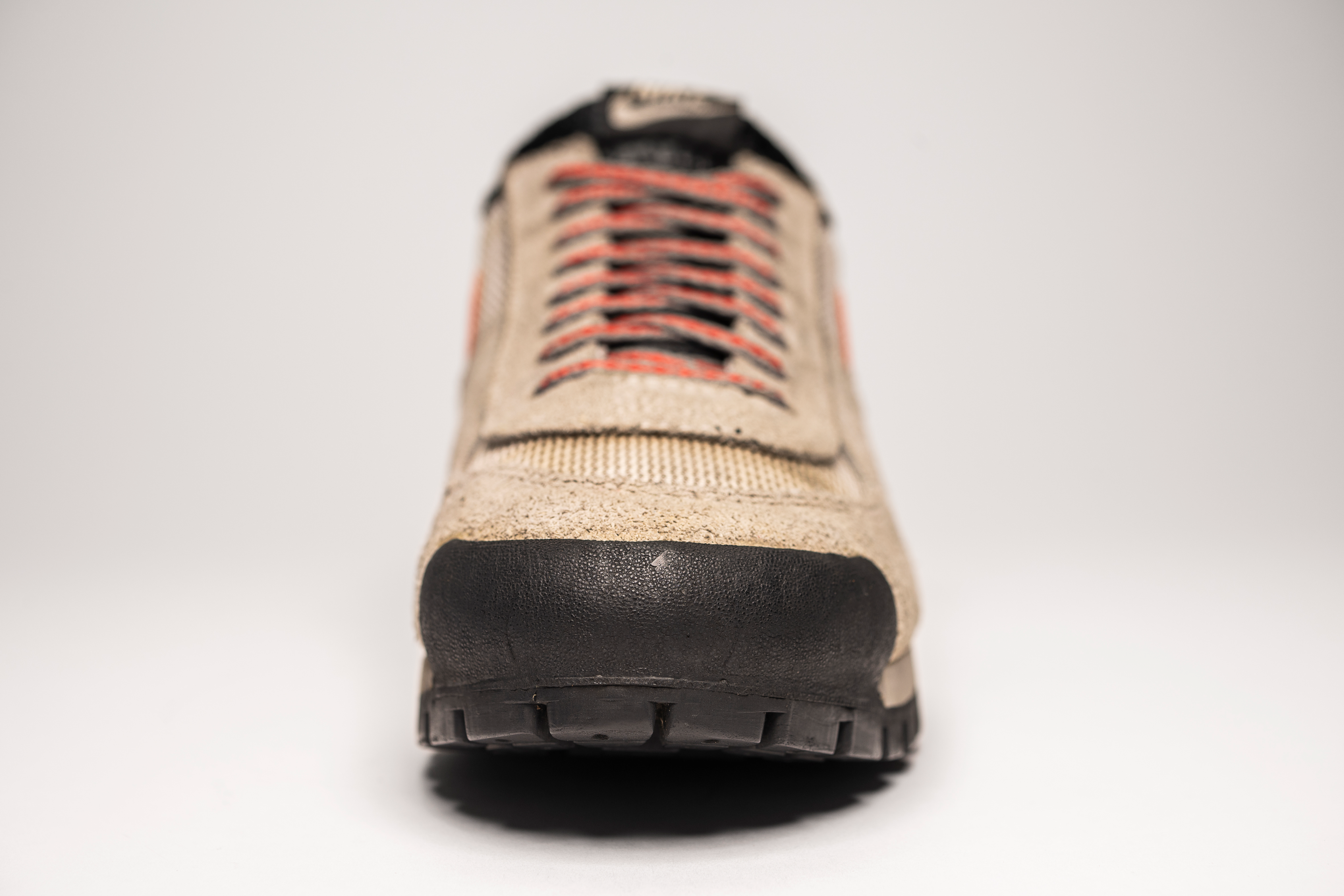
The shoe was inspired by climbers Rick Ridgeway and John Roskelley, whose K2 approach in LDVs helped shape Nike’s early outdoor thinking.
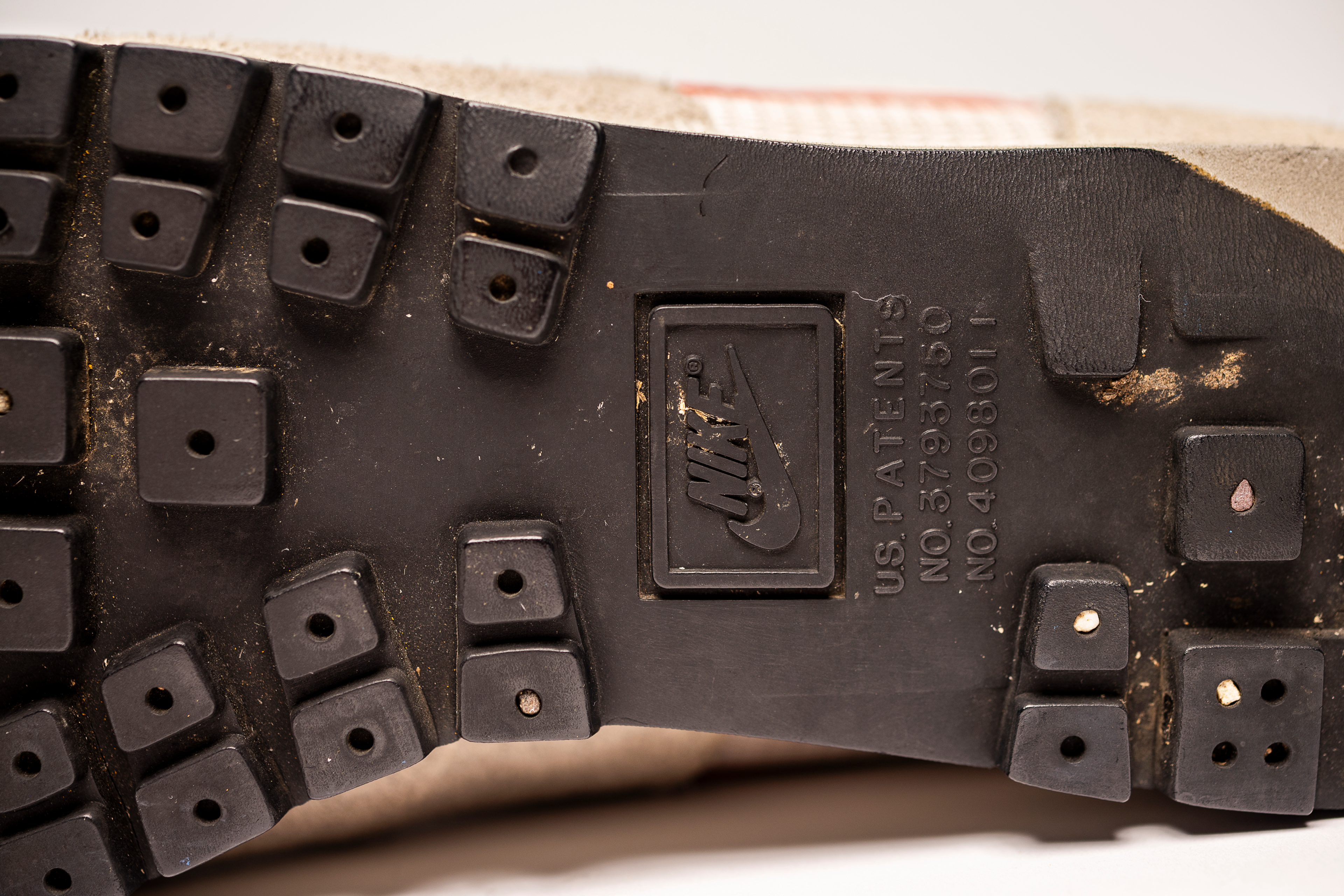
Manufactured in Saco, Maine, this model contributed to the product lineage that later informed ACG.
Inspired by the K2 photograph and the climbers’ firsthand notes, the Nike team reimagined what a hiking shoe could be. The result was a category shift toward performance minimalism. “The whole notion of light is right and less is more and functional minimalism — climbers really get that at their core,” explained Kirk Richardson, a lifelong mountaineer who would later lead ACG. “Nike intuitively got it. Bowerman and Knight were absolutely right.”
The new designs, built in Exeter and Saco, Maine, featured lightweight uppers, waffle soles and durable midsoles derived directly from Nike’s running heritage. For climbers and trail runners, they felt revolutionary: fast, flexible and protective enough to take the punishment of rock and scree. “Turning a training shoe into a trekking shoe. Nobody had done that,” Ridgeway later said. “It was kind of revolutionary.”
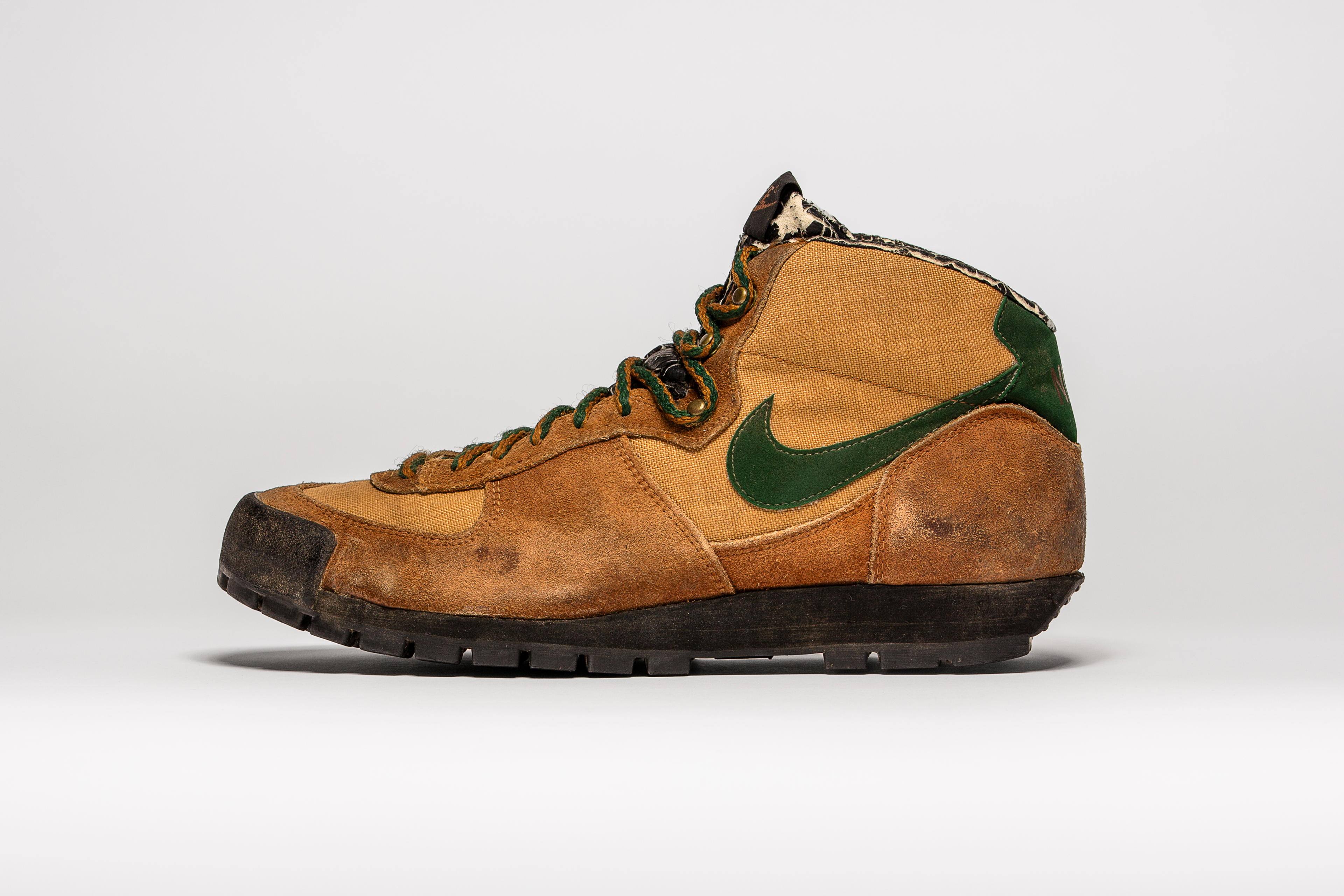
First released in 1982, the Nike Approach was part of the trio of early hiking shoes that began shifting Nike toward an outdoor category.
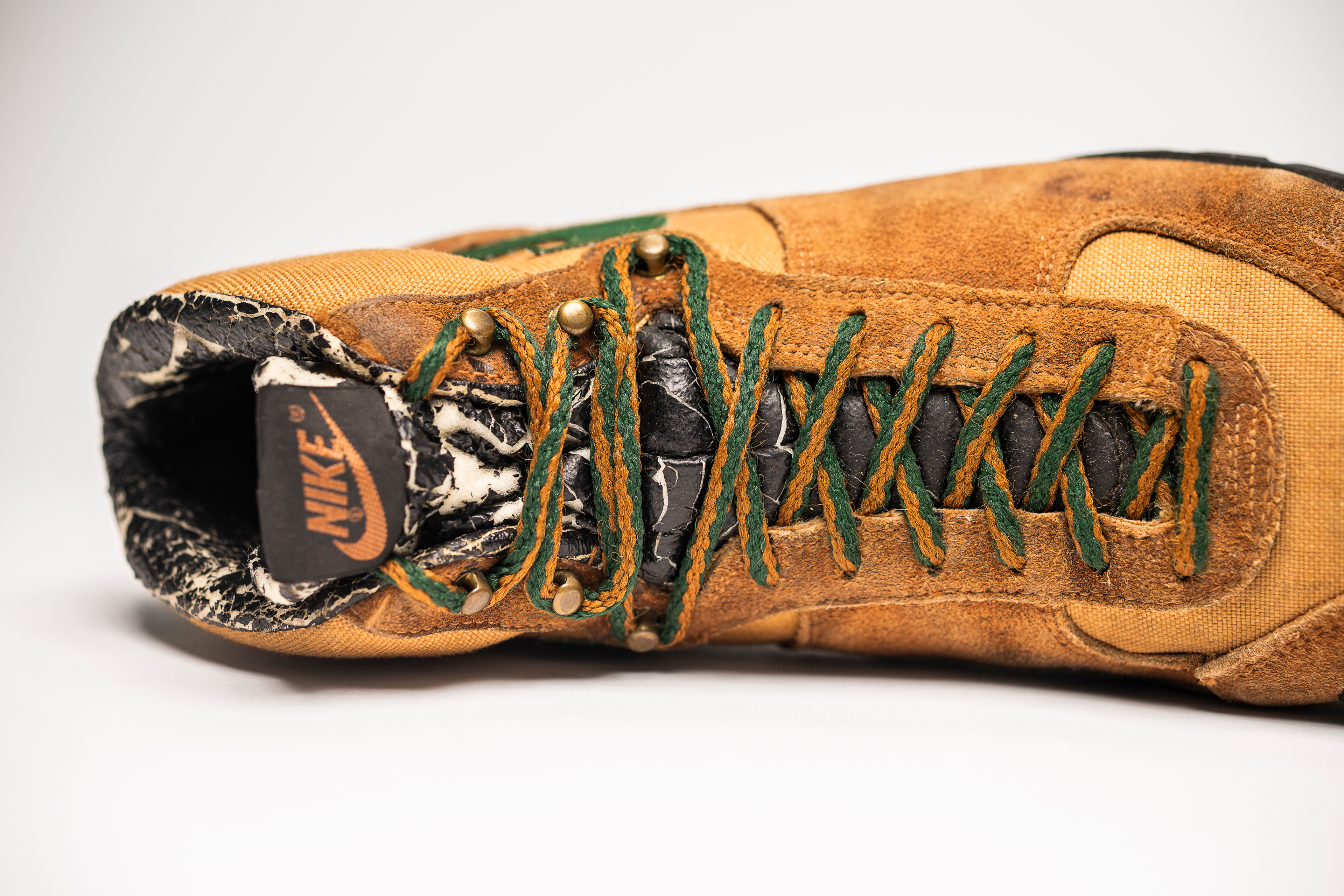
Built at the Saco Factory in Maine, the Approach paired a waffle outsole with a leather-and-Cordura upper and became Nike’s first GORE-TEX–lined shoe.
As those early designs hit the market, Ridgeway continued testing prototypes and corresponding with Nike designers. “They’d send me a prototype of the shoes to try out so I field tested them,” he recalled. One of those early ads — the first print campaign for Nike Outdoor — used Roberts’ K2 photograph of Ridgeway and Roskelley. The caption read: “Not everyone was willing to wait for our hiking boots."
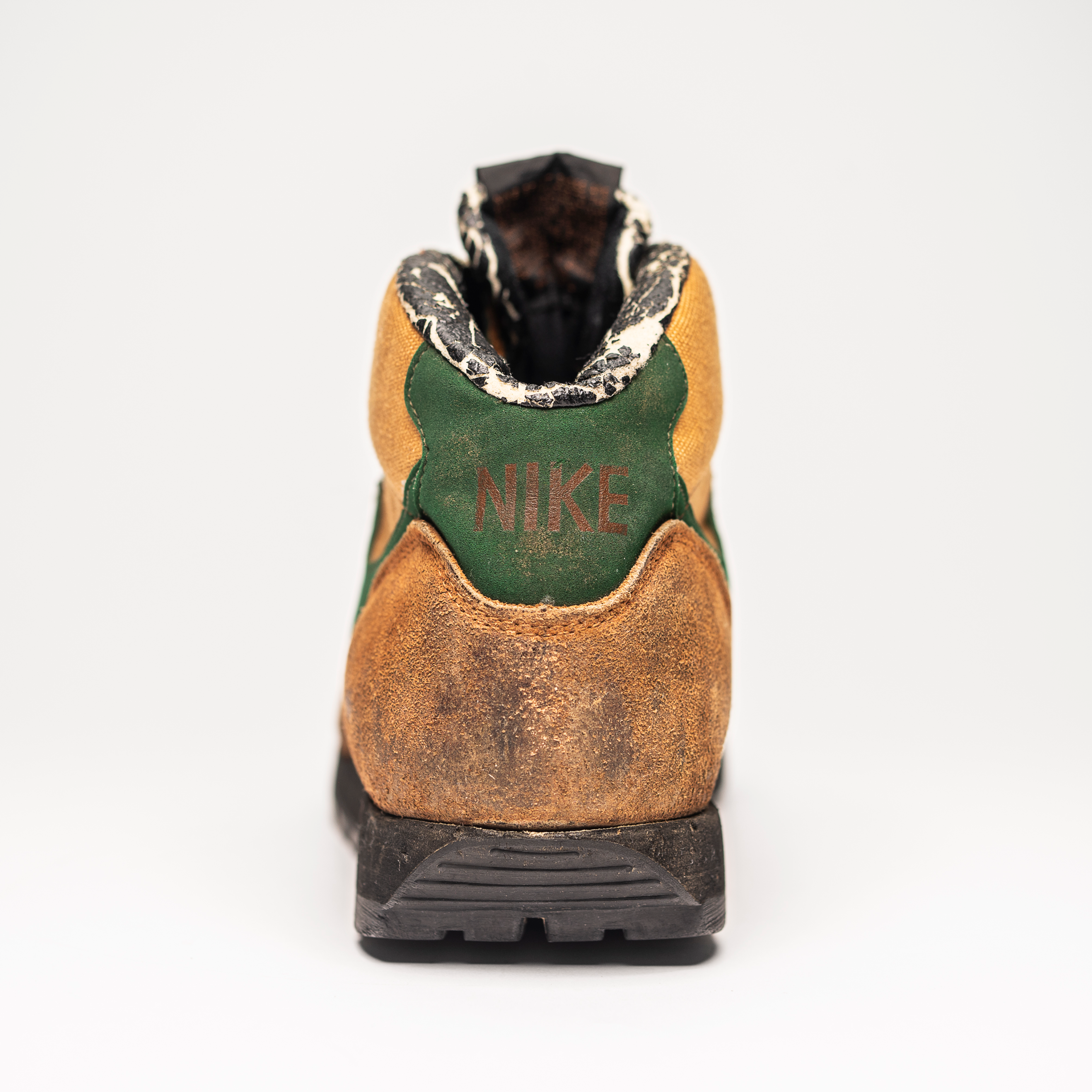
The design of the Approach would later influence the Air Force 1, marking it as a key step on the path to ACG.
By the mid-1980s, Nike’s outdoor experiments had evolved from one-off projects into a legitimate design philosophy. Yet without a unifying category, they remained scattered, a mix of hiking boots, trail runners and small-batch apparel experiments without a single name or purpose.
That began to change in 1987 when a small internal team was tasked with formalizing Nike’s outdoor efforts. According to Tom Clarke, then vice president of product marketing, Nike had been talking about being in the outdoor business for some time and had a stable of avid outdoor people around product management.
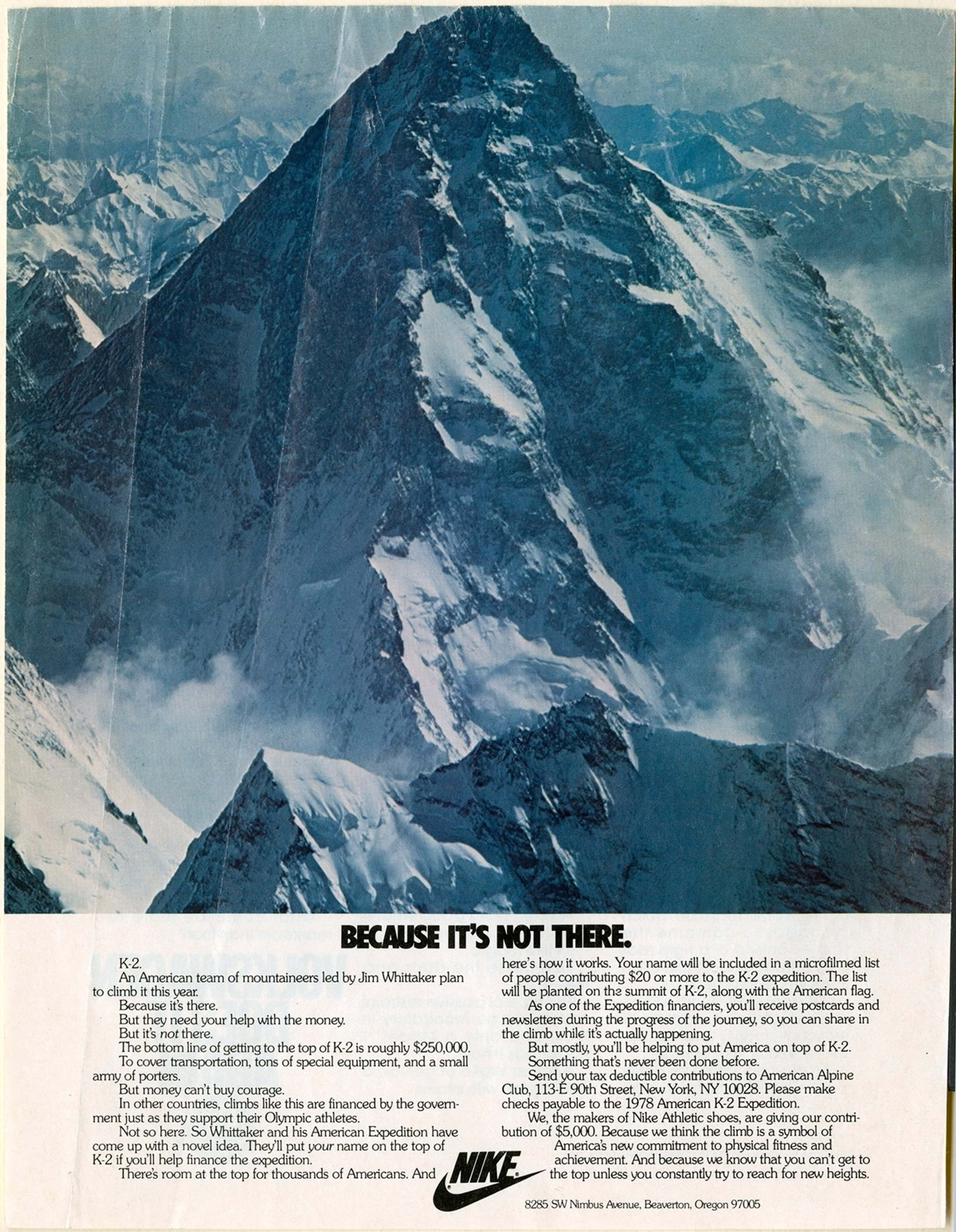
"Because It's Not There" Print Ad featuring K2, 1978
The team saw an opening in a market dominated by European legacy brands still building heavy, rigid gear for mountaineering specialists. An opportunity to create athletic gear designed for movement in all conditions.
Clarke, Richardson and a small team in Beaverton and Exeter began sketching out a strategy. Footwear and apparel would live under a single collection guided by four principles: high performance, durability, versatility and functional excellence. It was the beginning of a significant shift in performance outdoor footwear that would also make its way into apparel.
The idea quickly gained traction. Within two years, a full outdoor business plan emerged.
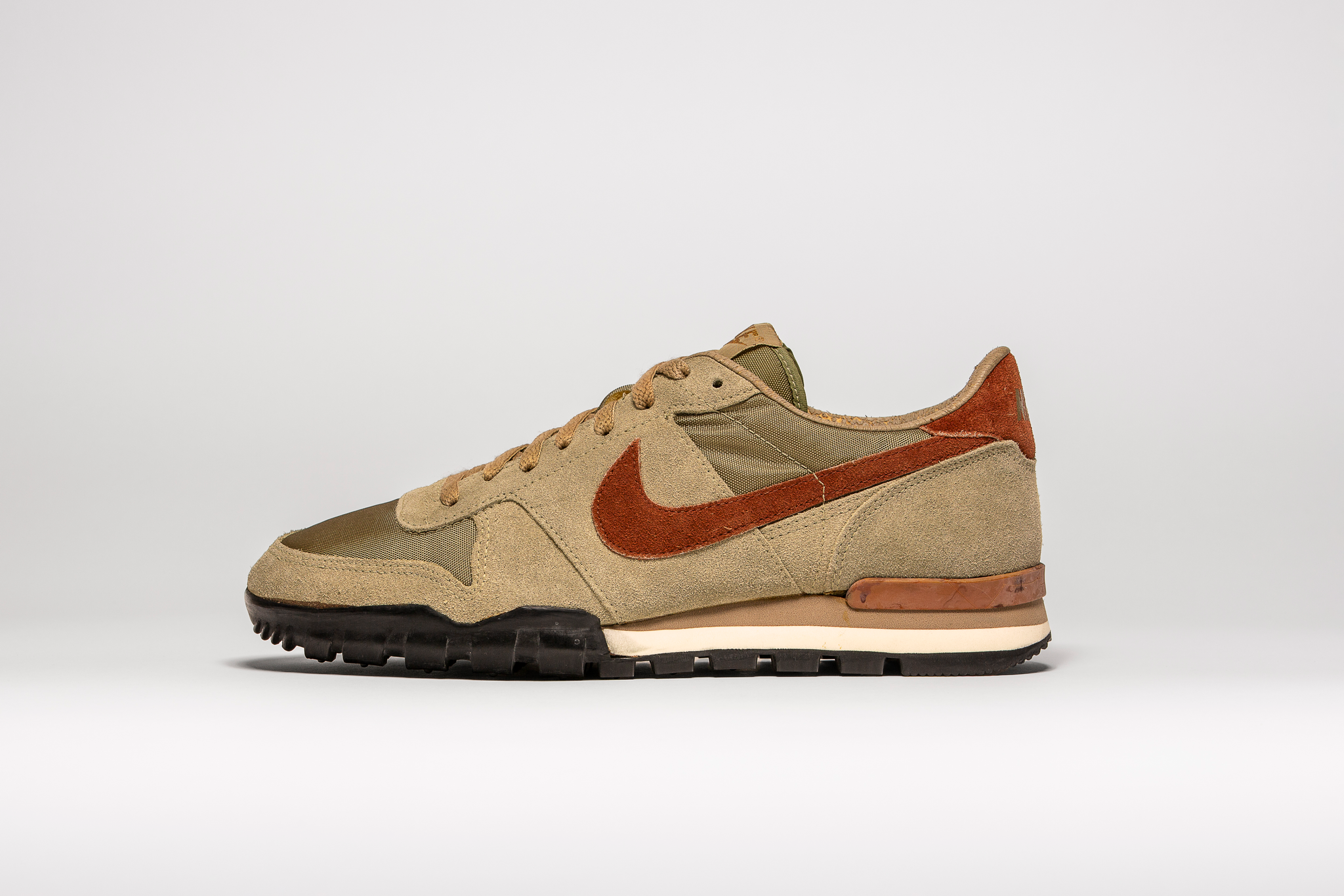
Designed by Mark Parker and introduced in 1984, the Escape marked Nike’s formal move into trail running after early samples won immediate praise from runners.
Nike’s outdoor plan was coming together, but a fitting name was still missing. Around the same time, Nike Running had begun using the phrase “All Conditions Gear” for a small line of year-round performance apparel — gear designed to handle any weather. The overlap in philosophy caught the Outdoor team’s attention. When Clarke’s group discovered the term, they adopted it to define the new collection, a name that embodied Nike’s commitment to performance regardless of terrain or weather, echoing the same spirit that had driven Ridgeway and Roskelley’s K2 ascent a decade earlier.
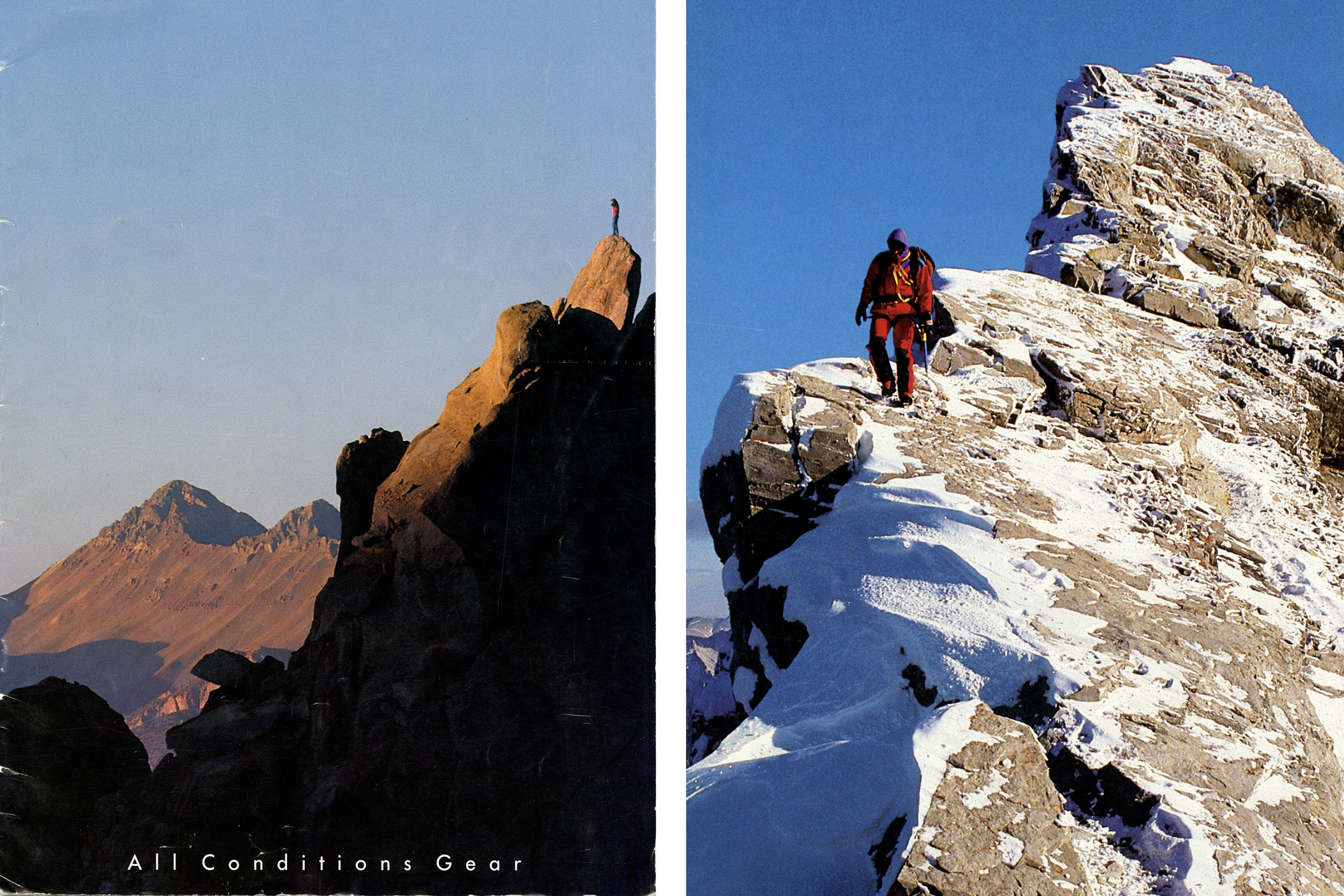
The early team wanted the brand to be taken seriously by hardcore outdoor athletes, leading to ambitious shoots like a shot of climbers at Moab's Castleton Towers and others.
“We had these guys climb this tower and so we got in a helicopter. It was just about sunset and I was sitting on the rail holding onto the photographer and he’s hanging out of the helicopter. The tower was beautiful and these guys are just little dots on top. It was phenomenal.”
Ron Dumas, Nike Art Director, on the creation of the ACG catalog cover
By 1989, it became official. Under Richardson’s leadership, ACG launched as a fully integrated line of footwear and apparel designed for athletes who ran, hiked, climbed and explored outdoors.
Nike made sure its debut felt authentic. The first catalog shoot took place at Castleton Tower in Moab, Utah, a notorious rock spire revered by climbers. “We wanted to position it as a pretty real brand,” said art director Ron Dumas. “We had these guys climb this tower and so we got in a helicopter. It was just about sunset and I was sitting on the rail holding onto the photographer and he’s hanging out of the helicopter. The tower was beautiful and these guys are just little dots on top. It was phenomenal.”
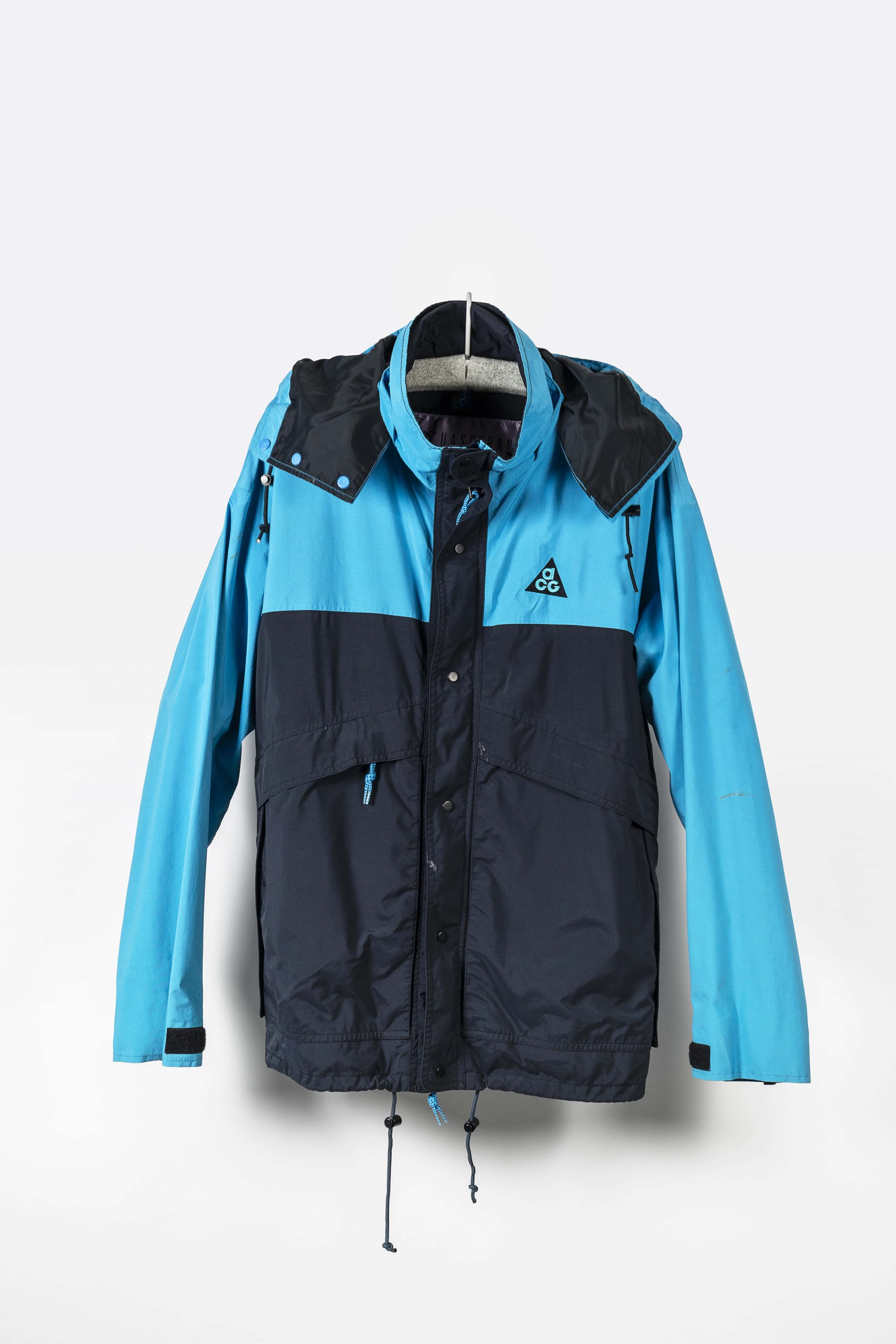
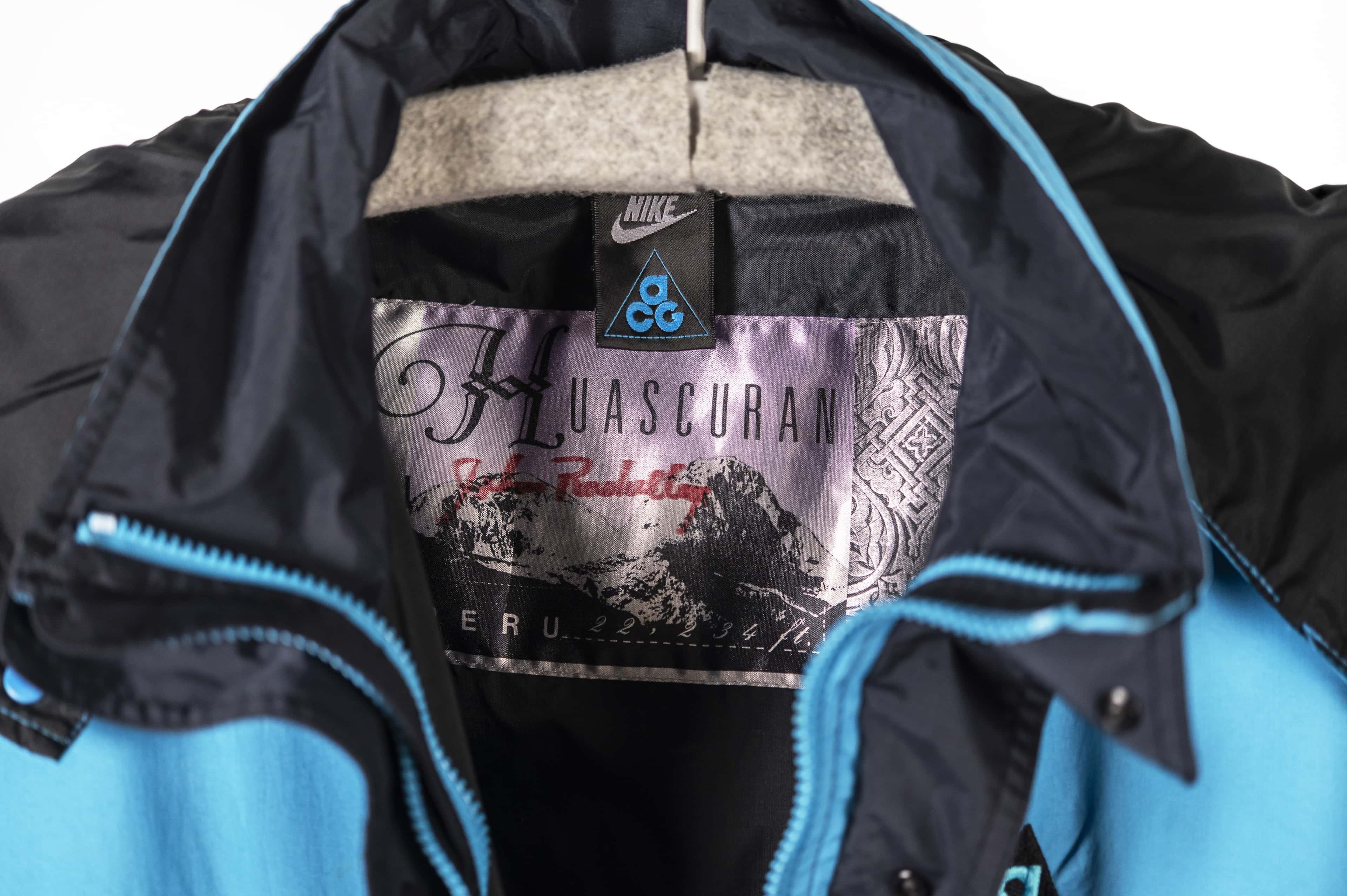
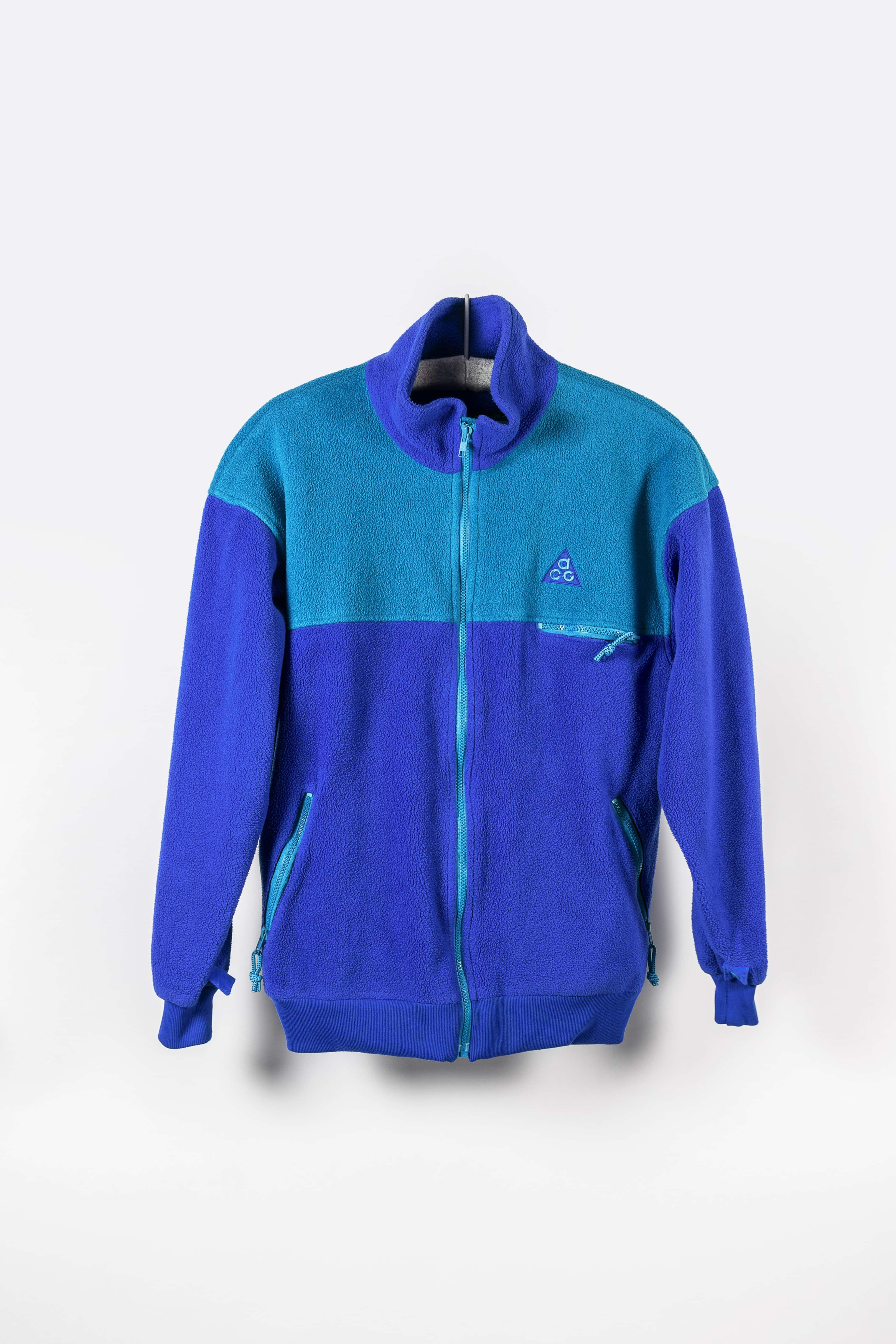
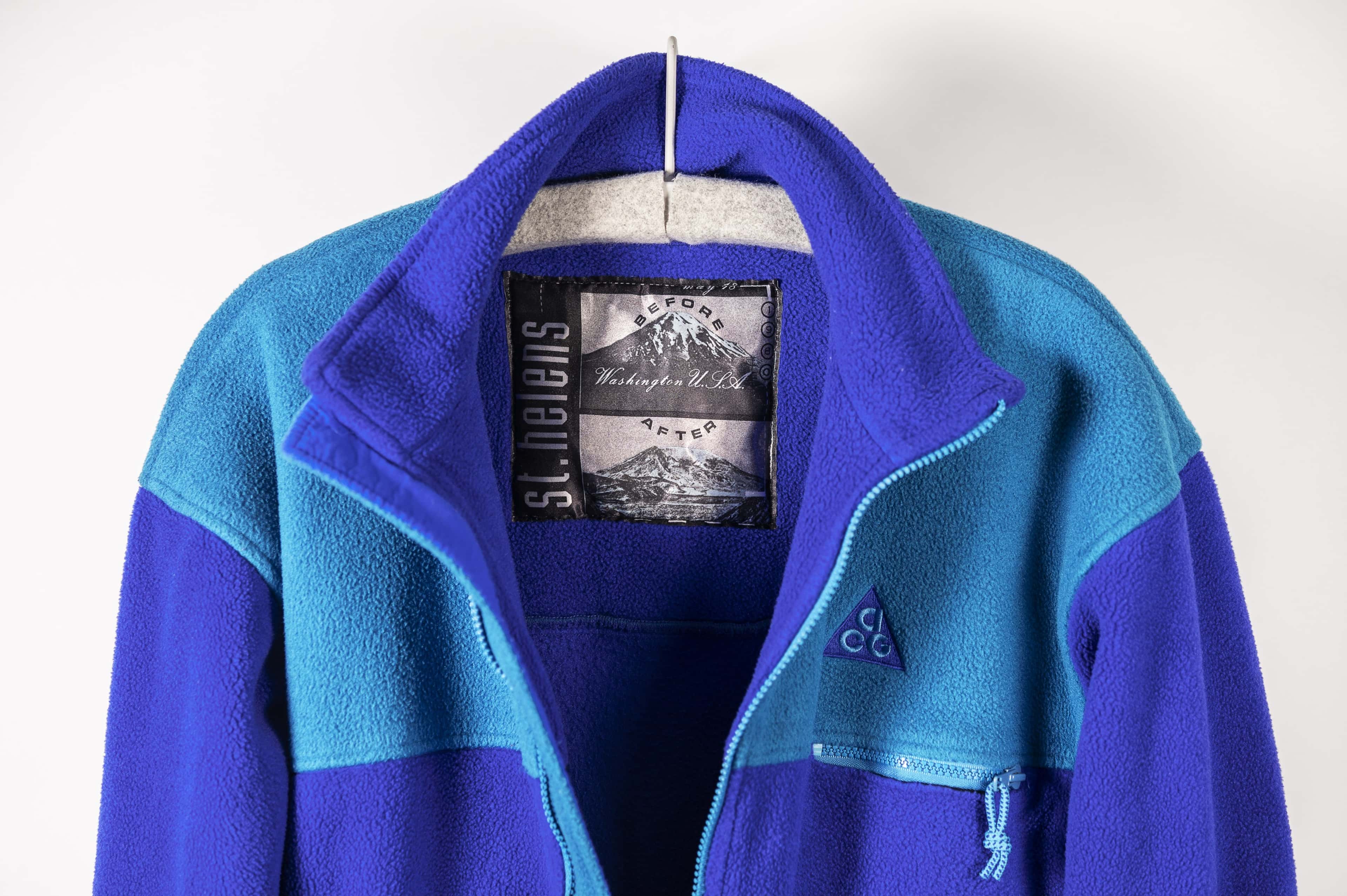
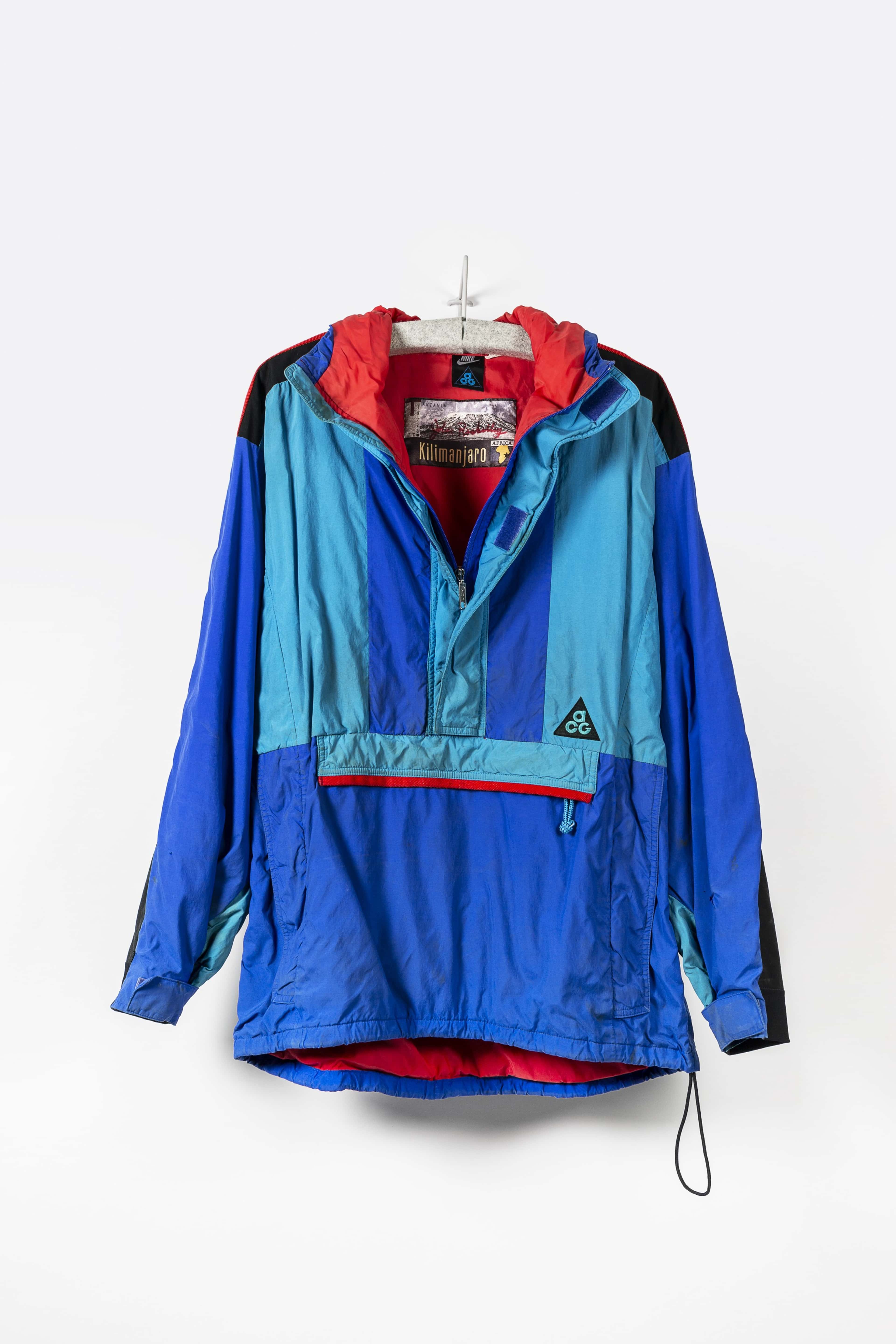
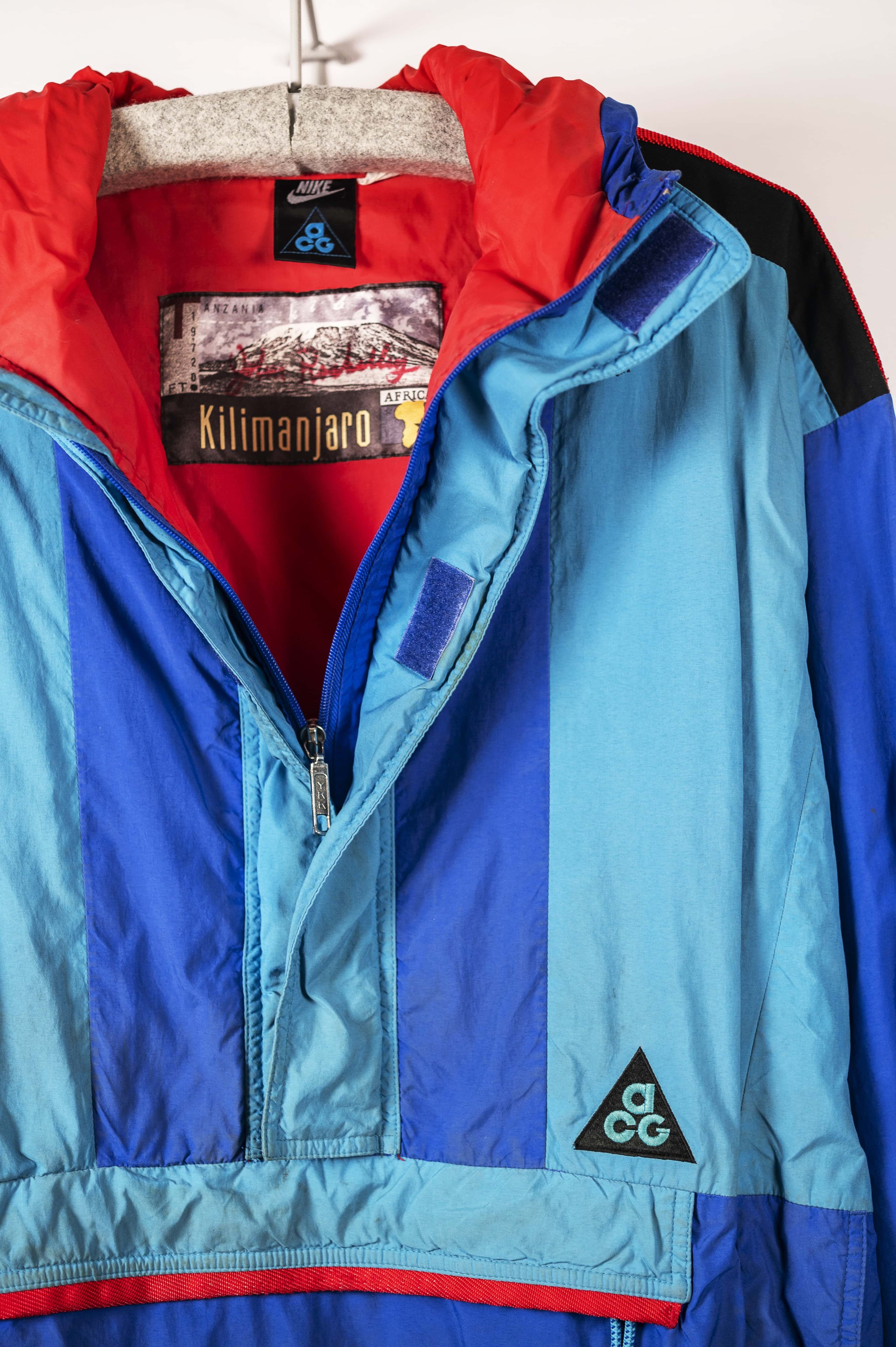
When the first ACG collection dropped that fall, anchored by the Air Wildwood, Lava High and a series of Gore-Tex and fleece outerwear pieces, Nike had officially staked its flag in the outdoor market.
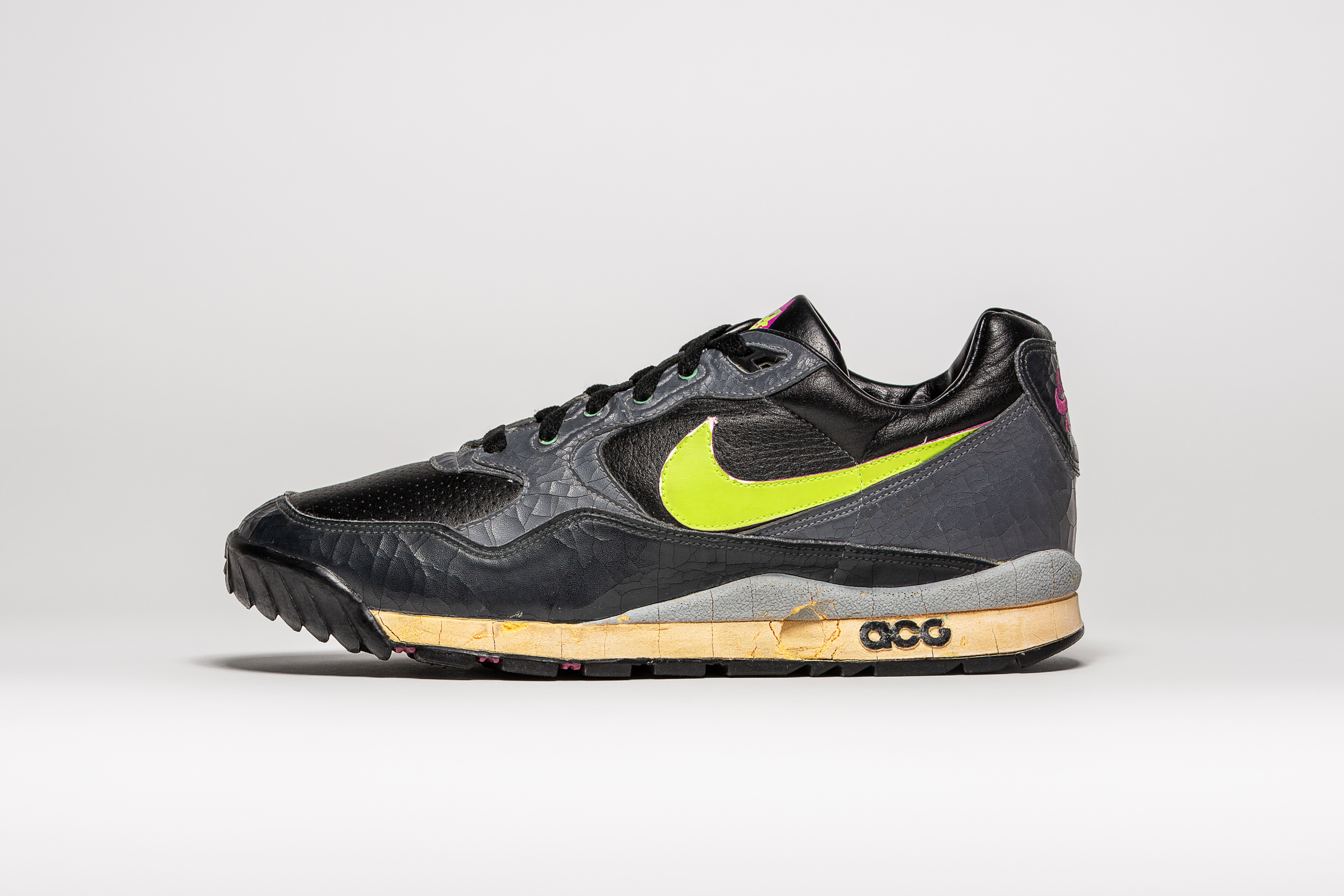
Debuting in 1989 as part of ACG’s launch, the Air Wildwood ACG evolved from the Escape and Pegasus to show that all-weather performance didn’t require muted design.
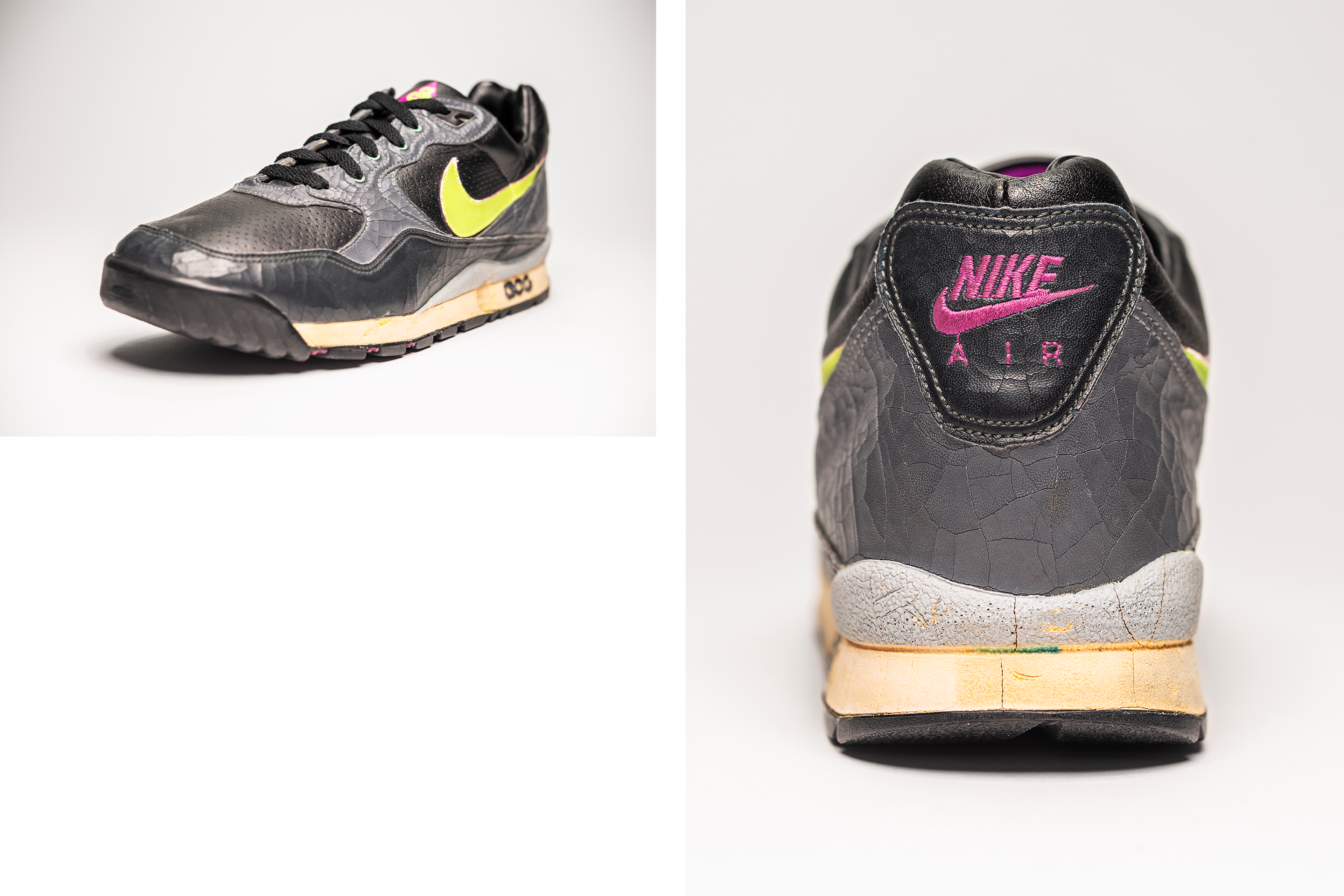
It combined rugged detailing with accent colors and featured a micro-perfed synthetic upper, sawtooth Waffle outsole, Variable Width Lacing System and a PU Footframe.
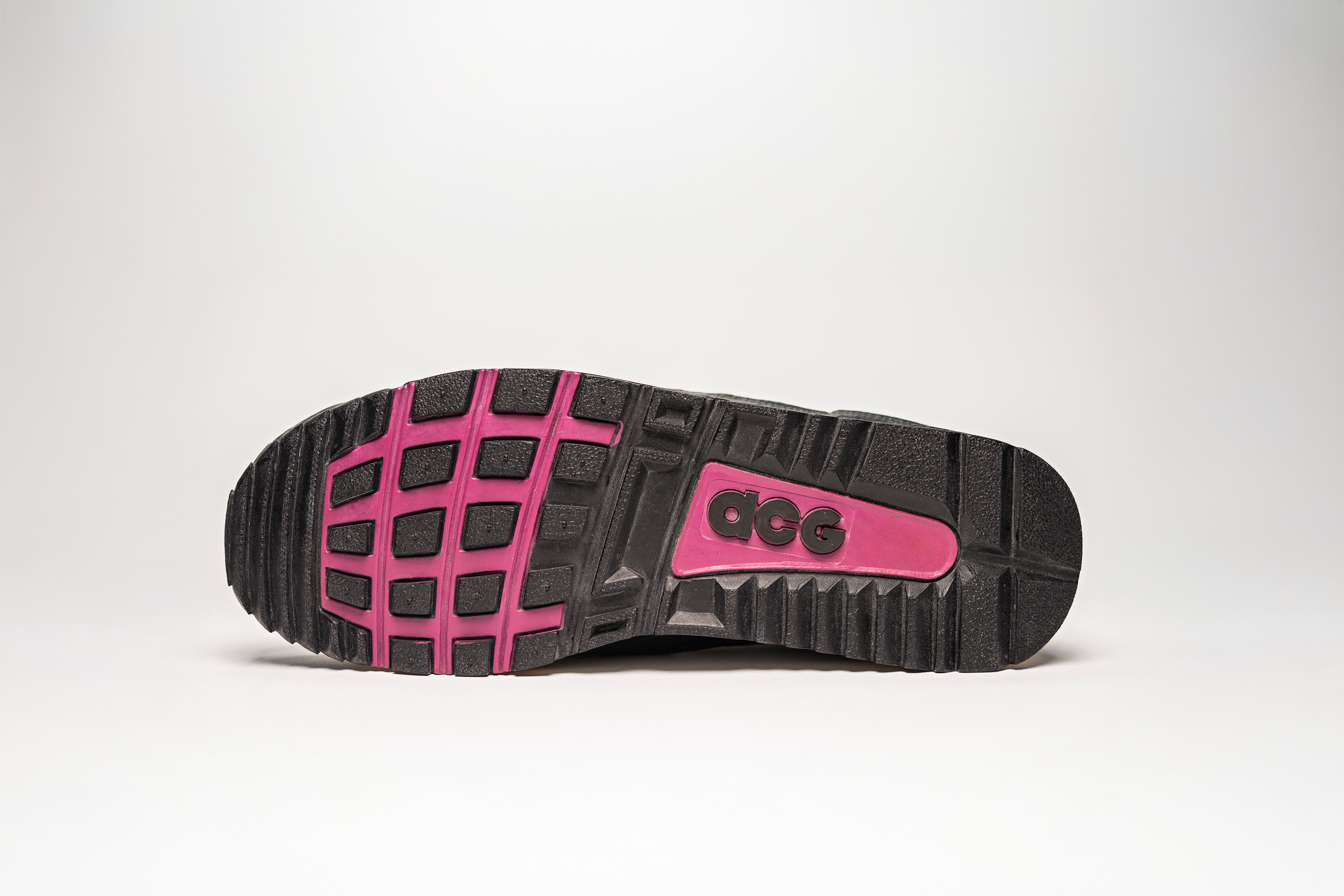
A low-profile polyurethane midsole with encapsulated heel Air-Sole cushioning completed the Wildwood's ACG build.
The photograph of two climbers at the base of K2 had become something larger: the spark that ignited an entirely new dimension for Nike.