On the Road to Excellence, Madison Hammond Is Celebrating the Journey
- May 28, 2026
- Words:
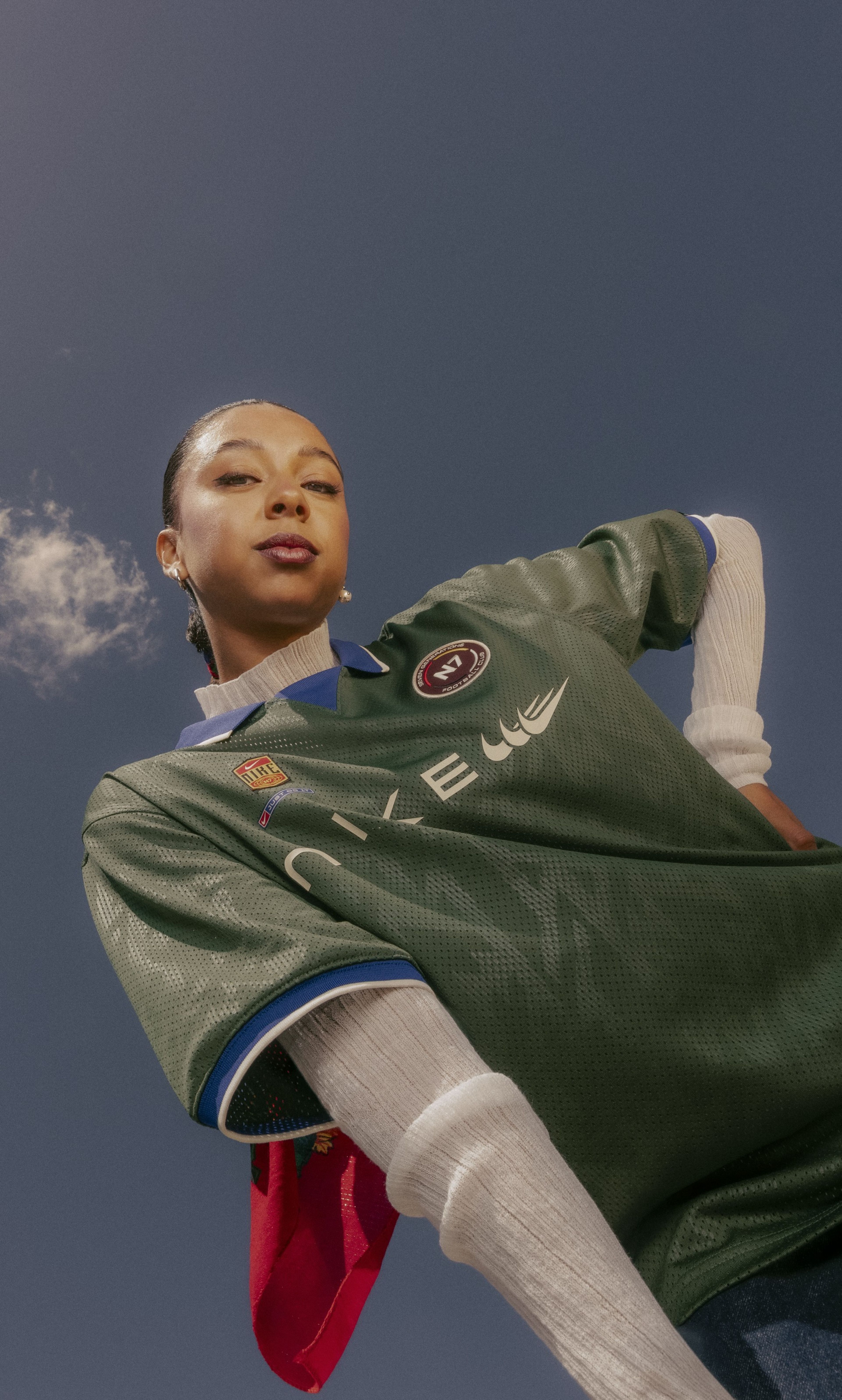
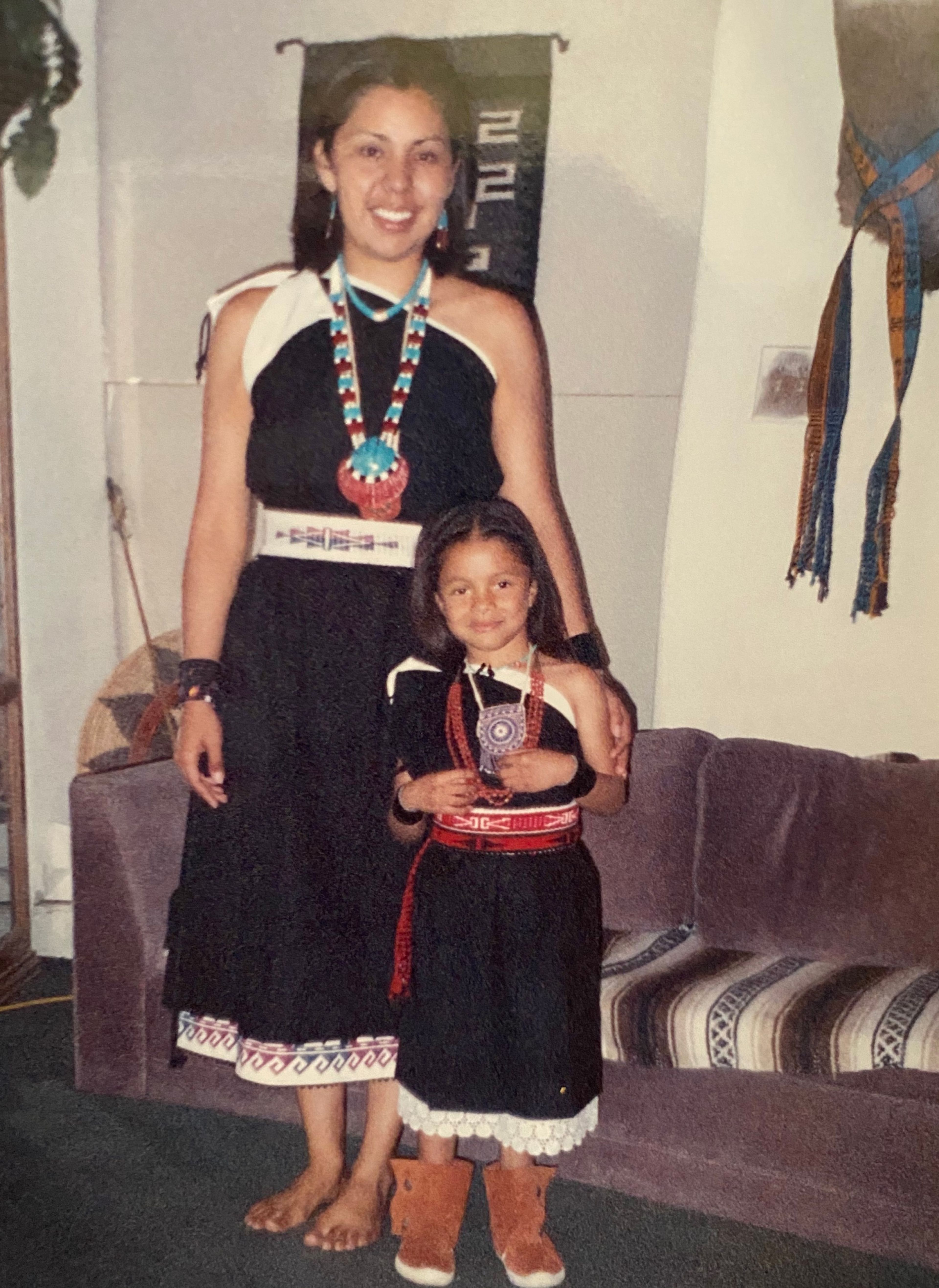
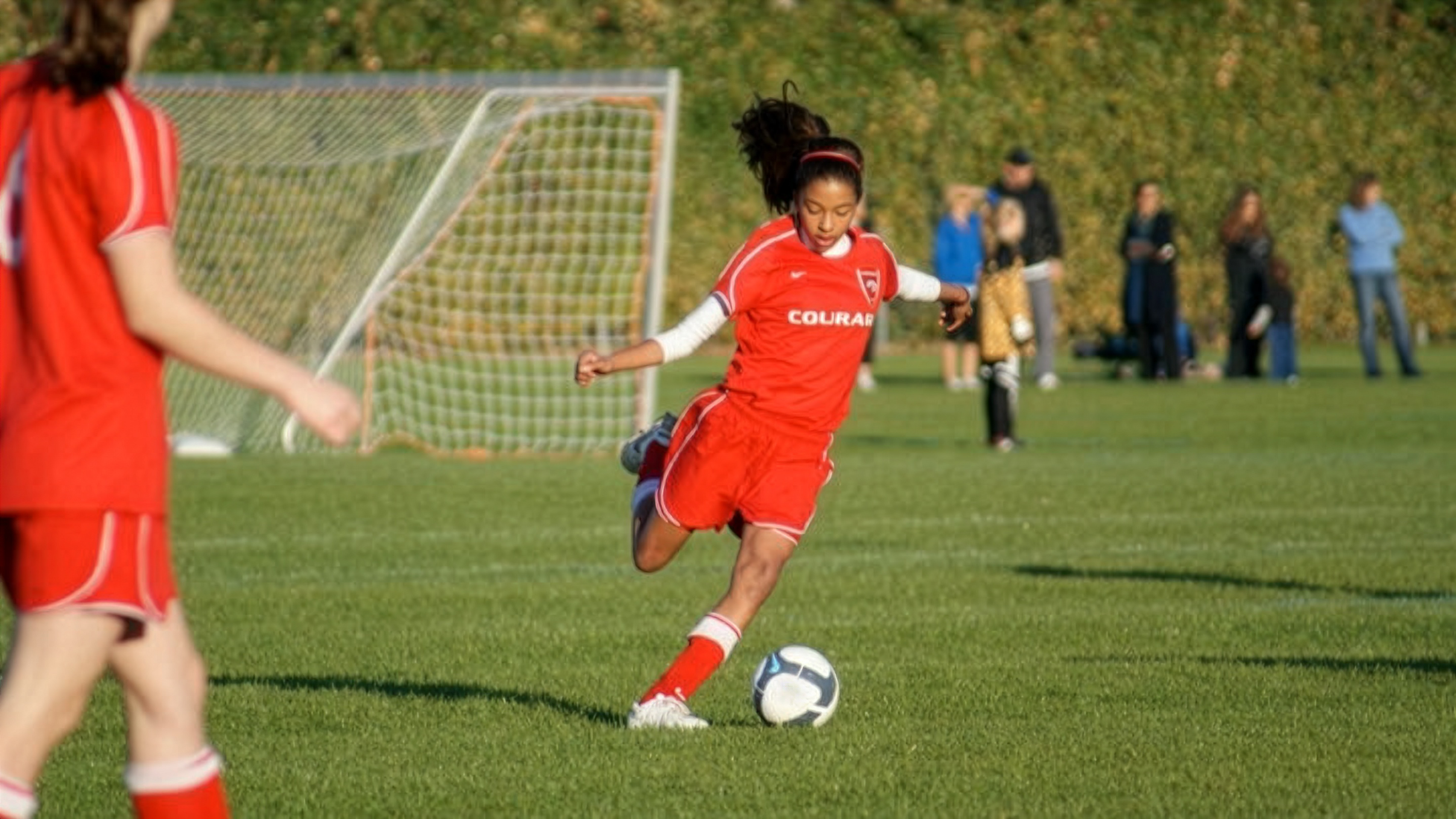
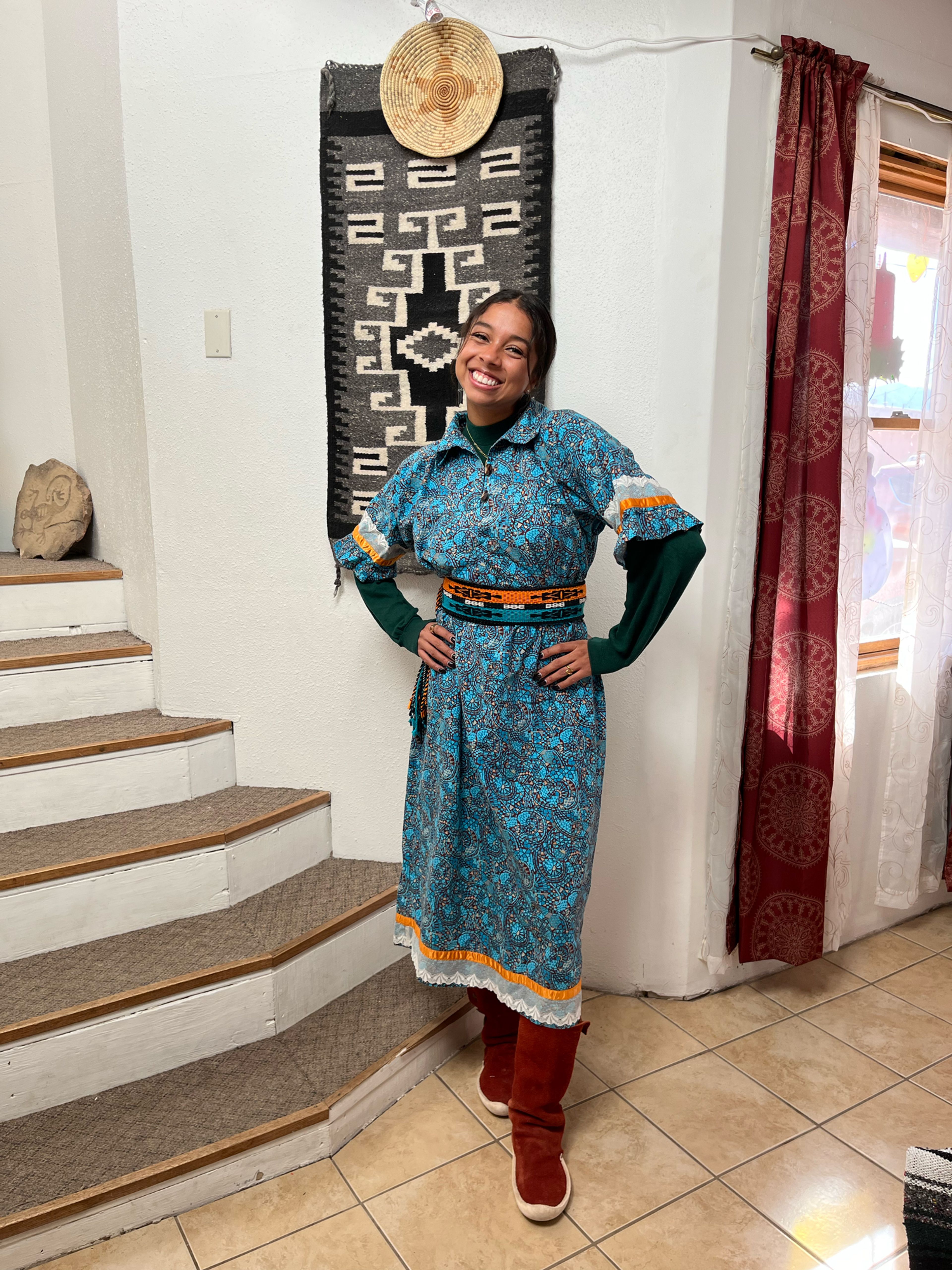
For kids around the world, going pro in a sport is the ultimate dream. But seeing is believing, and for Indigenous youth in particular, there are fewer professional athletes to look up to. But Madison Hammond — who is a member of the San Felipe Pueblo (Katishtya) and Navajo (Diné) tribe, Black, and a defensive midfielder for the Utah Royals — had a role model. Her uncle, Notah Begay III, was a professional golfer on the PGA Tour who started the NB3 Foundation, one of the nonprofits that Nike and the N7 Fund have supported, when she was a child. “At the time, I didn’t fully understand how close I was to excellence,” Madison, the first Native American athlete in the NWSL, says. “I think in Indigenous communities, excellence isn’t always the first attribute that’s given to us, but it was ingrained in me from a really young age.”
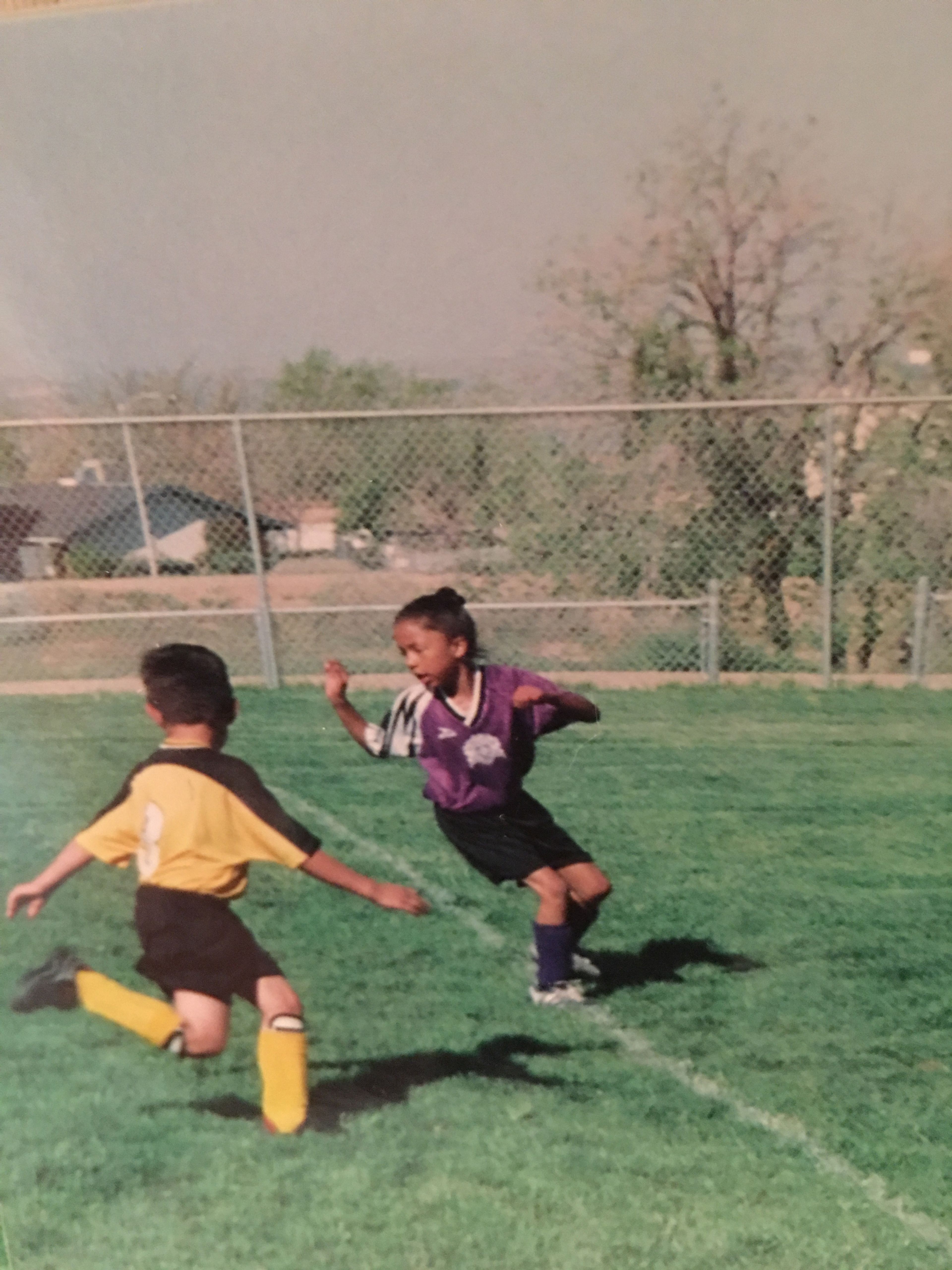
Growing up in New Mexico, Madison started playing soccer when she was 5. At the age of 9, she moved with her mother to Arlington, Virginia, and was catapulted into the highly competitive world of youth soccer. There, her coaches told her that if she put in the work, she had the potential to be as good as she wanted to be — and it became her mantra.
Returning to San Felipe Pueblo during summer vacations, Madison attended an NB3 Foundation–sponsored summer camp, where she played soccer all day on a turf field provided by the foundation. She could see the reservation’s sacred hills from the bright green pitch, a stark contrast to the surrounding brown landscape. By playing on a team with other Native American girls, Madison was able to immerse herself both in her culture and her sport. It was empowering.
Here, in her own words, Madison tells us about chance, circumstance, her road to success, and the legacy she hopes to leave other young Indigenous athletes.
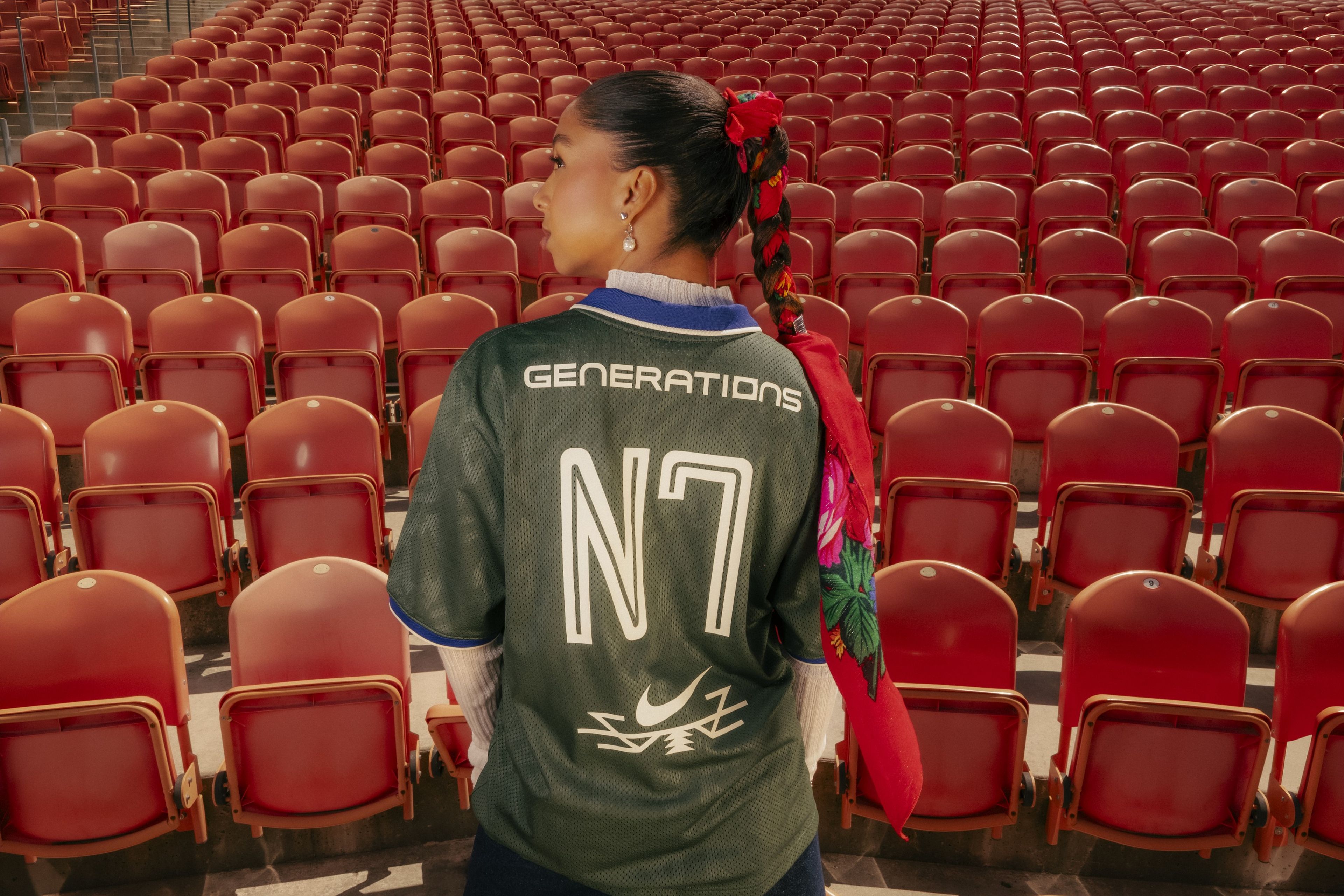
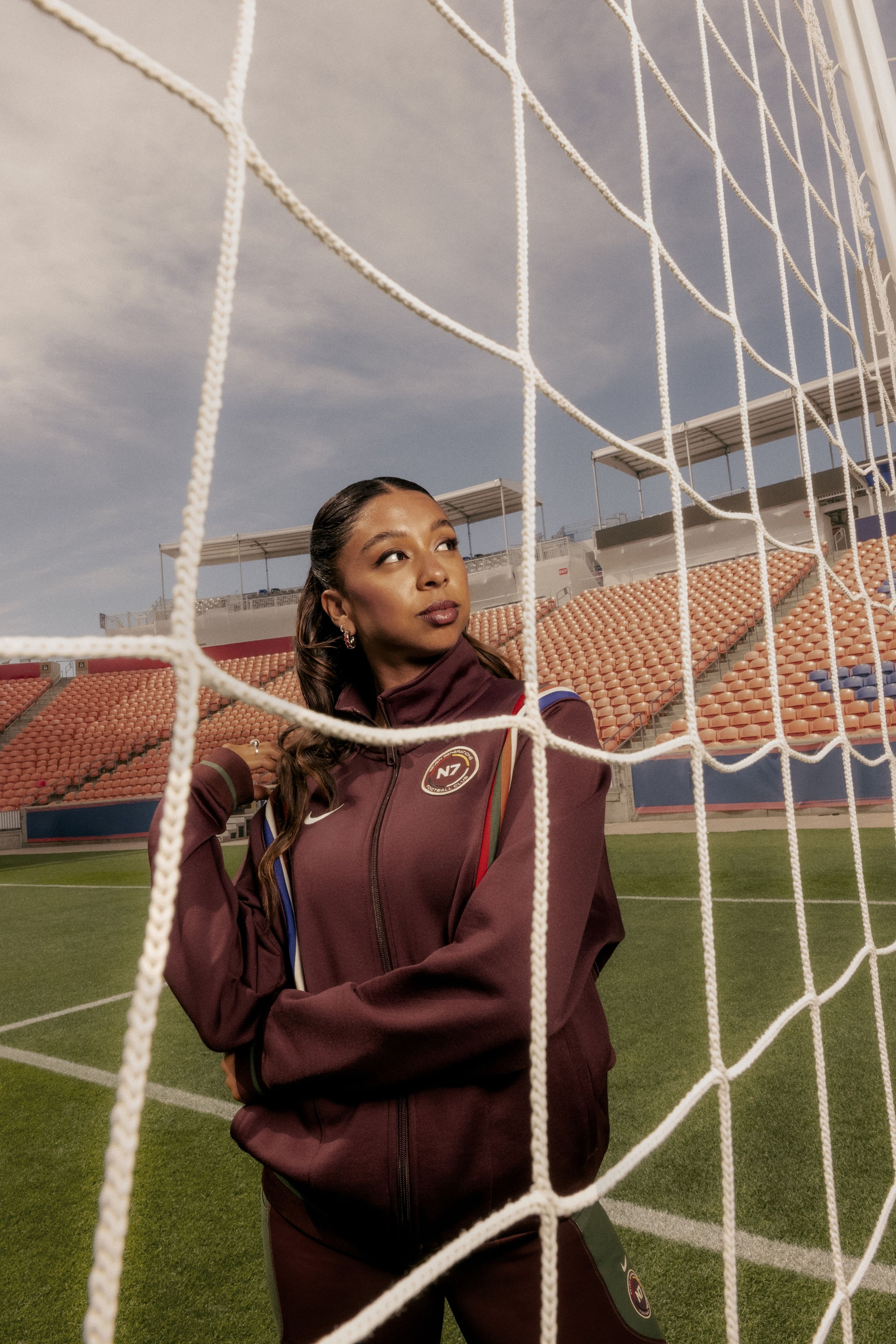
“It feels like such an honor to have this N7 Collection come to life and have it centered around soccer and Indigenous people from the Southwest — and to be the face of it. It is a unique blend of everything I am.”
Madison Hammond
The Record: When did you first realize that you had a real talent for soccer?
Madison Hammond: I was around 10 or 11 years old when that feeling first kicked in. I knew that I didn’t just want to be good, I wanted to be great.
TR: You’ve talked about your uncle as your role model. How has he inspired you?
MH: My uncle was a professional golfer and a Nike athlete. I think he’s inspired me in two different ways. One, the fact that he was the first Native American in his sport as well. He also established the NB3 foundation, which has been around my whole life. I played on a team that was through his foundation, and my other uncle was my coach. Being able to do that on our reservation with other girls that were from San Felipe Pueblo was really impactful for me. That’s just not what I have been able to do throughout my whole soccer journey. I’ve typically been one of the only Black/Brown girls on the team. I didn’t realize how impactful it would be for me 20 years later.
TR: When did you know that you wanted to play professionally?
MH: I didn’t go into college soccer with the intention of playing professionally. I went into it wanting to be the best I could be. That has been my mindset my entire life: As long as I am improving, as long as I’m getting better, nothing will stop me.
TR: Have there been any major hurdles along the way?
MH: I went to a college that was primarily white and very affluent, and I felt like I was out of my depth. It was the first time that I had to challenge myself to remember who I was and to remember what my values were and why they made me successful as a soccer player. Everything comes back to my traditional beliefs.
TR: What was the transition like from playing college to playing professionally?
MH: In college, I played every game, I rarely came off the field, I played 90 minutes and out, I was captain my junior and senior year, I was named second-team All-ACC — everything was hard, but it was also easy. Everyone tells you you’re the best, everyone tells you all these amazing things about yourself. And then you get to the pro level and you’re a rookie, and literally you are back to the bottom after over a decade of playing soccer. They don’t teach you the coping mechanisms for that.
TR: How did you deal with that?
MH: I think because of who I am and the family that raised me, I never really addressed when things were difficult. Being able to validate an experience, like, “It’s okay to be upset, it’s okay to not always be perfect, it’s okay to not always achieve that excellence that you are pursuing every single day.” I was so used to “rub some dirt in it, get over it, if you’re having a bad day just push it down.” Pushing all of that down for my whole life came up in these crazy ways my first few years as a pro, where you’re suddenly doubting yourself and your confidence is dampened because you are not playing a game. I realized that I put too much value in just being on the field and put not enough value in the fact that I’d made it to this level.
TR: When you reflect on your journey, what has changed? What have you learned since you started playing professionally?
MH: I can see how easily doubt and hesitation can derail a career. This is my seventh year as a professional soccer player. Personally, I don’t think I ever gave myself enough credit for being a good soccer player until I was older and was able to look back. In the moment, you feel like you are executing the mission every single day. You come in, you train hard, you play hard. But I don’t think I gave myself the credit I’d earned. One thing I want to get better at is celebrating my journey.
“I think the best way I could inspire the next generation of Native athletes is to continue striving for on-field excellence and remember to give back to where I came from.”
Madison Hammond
TR: What does this N7 Collection represent to you? How does it feel to now have a role in bringing it to life?
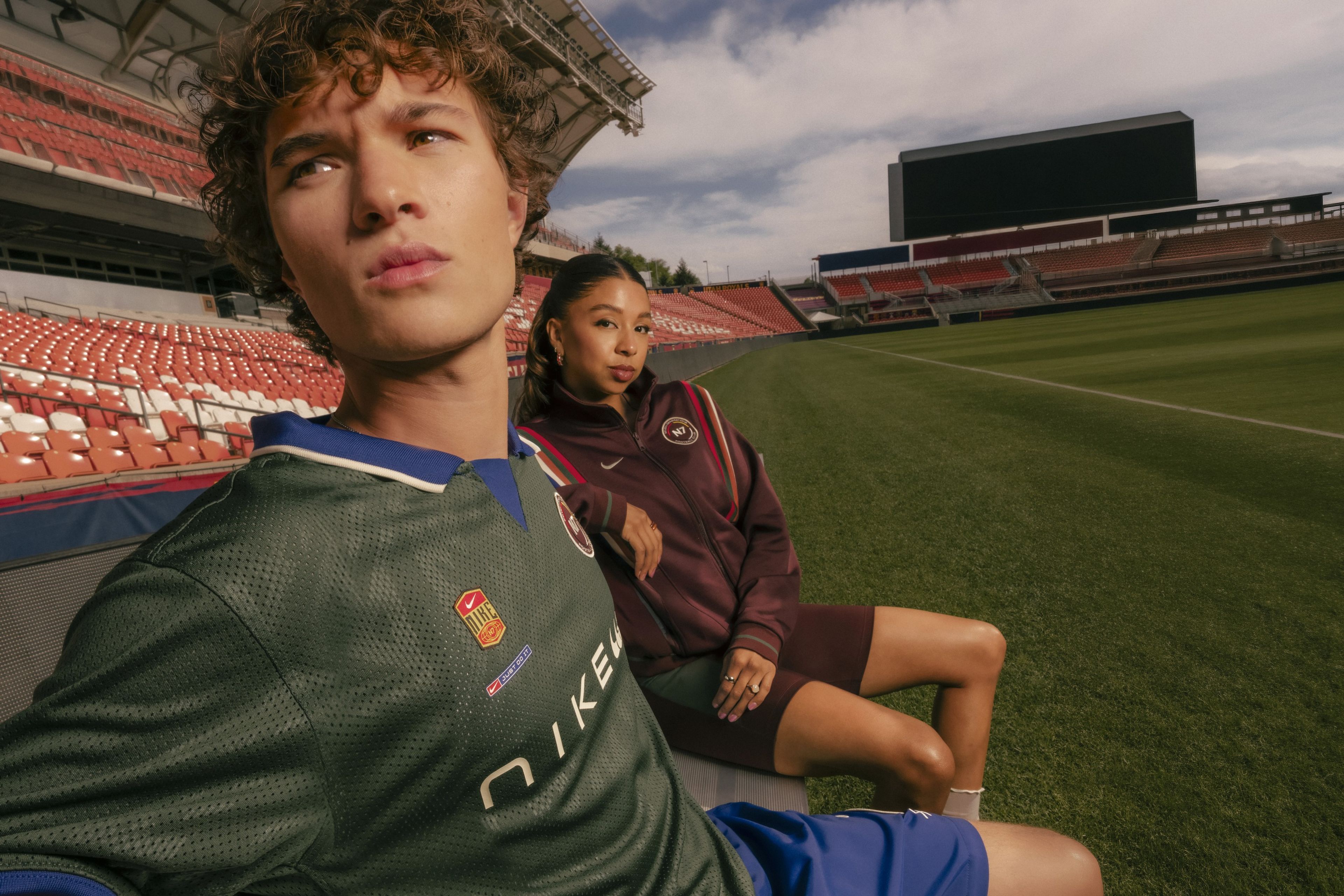
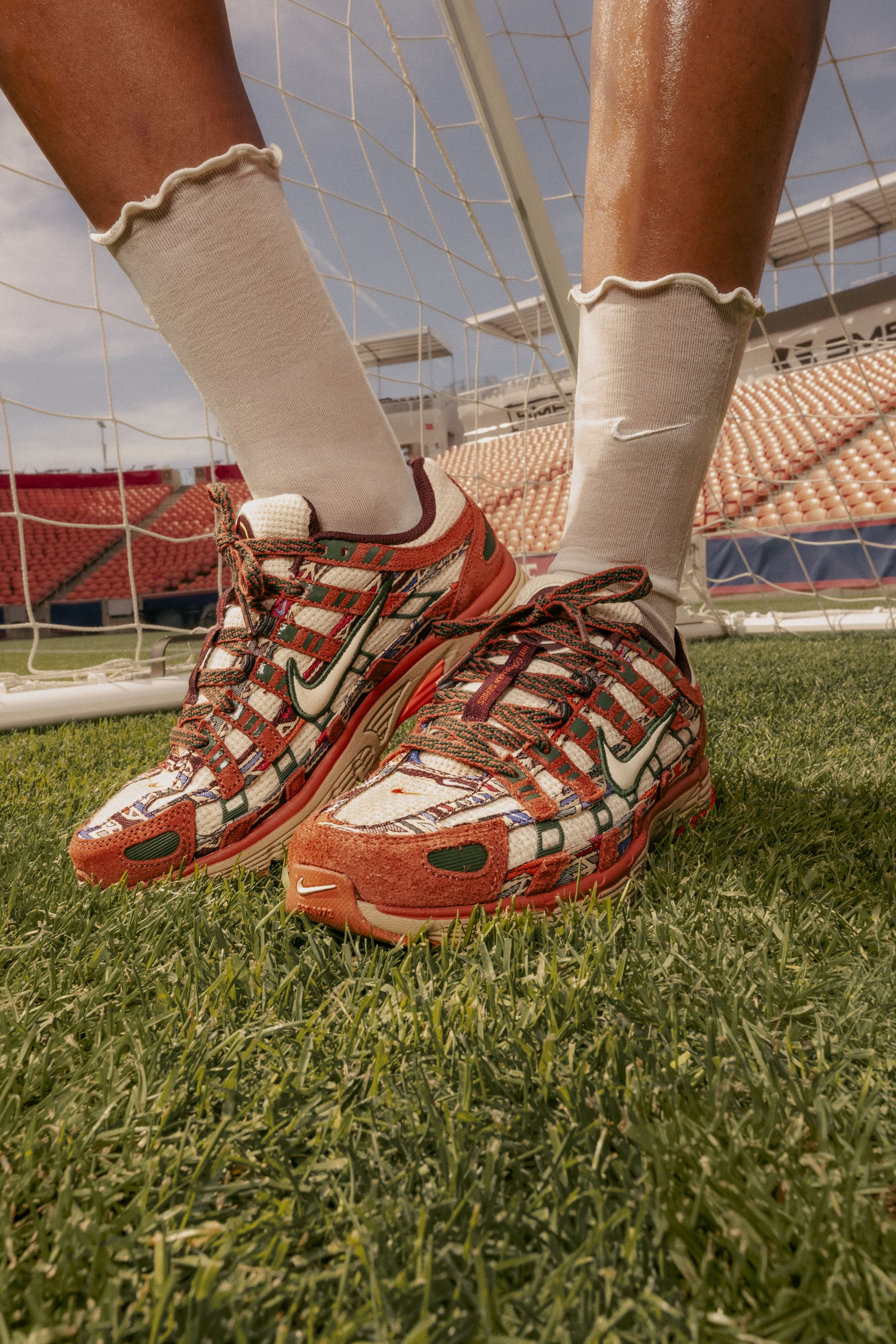
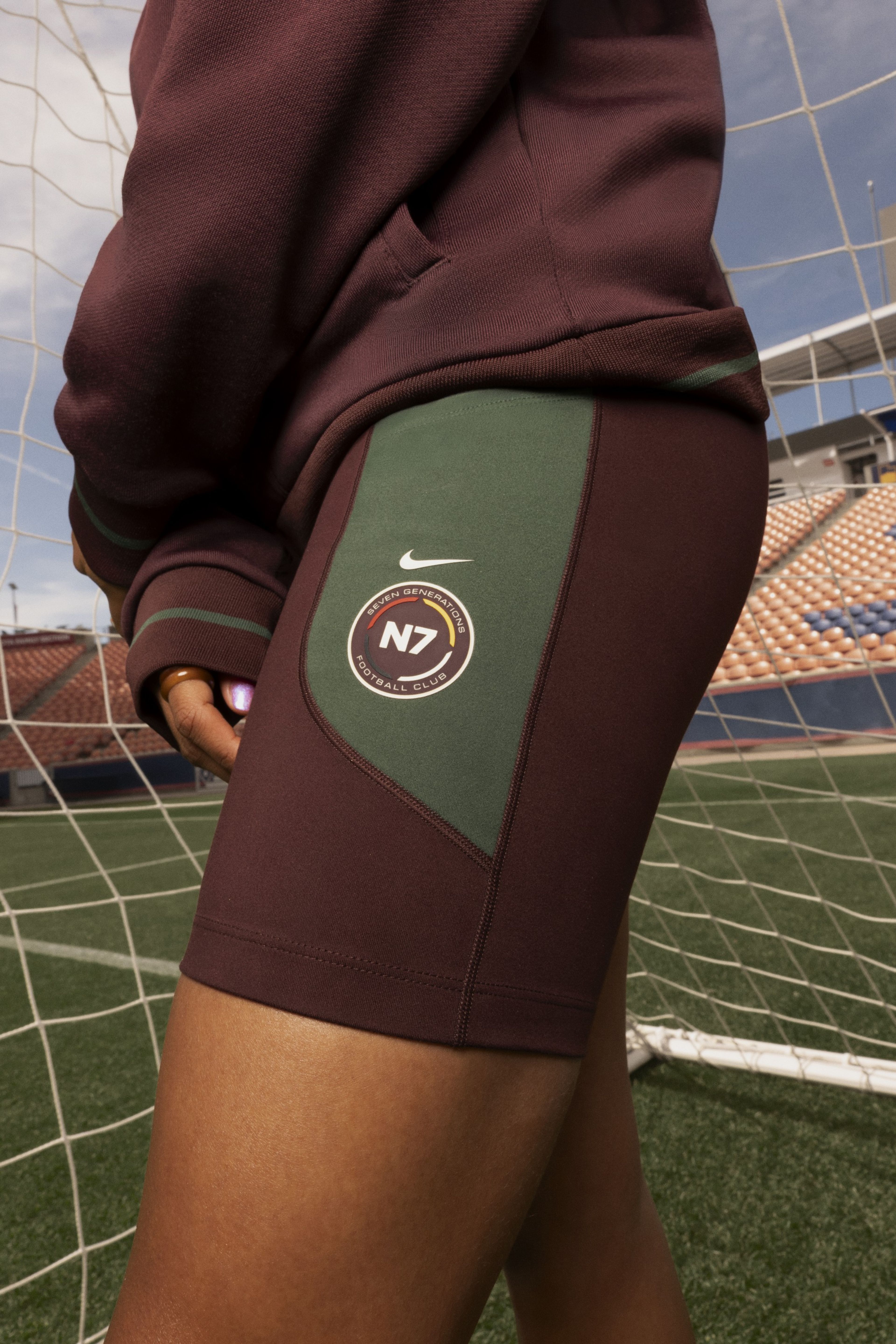
MH: To me, N7 represents opportunities for education and conversation and shows how incredible all these different communities and tribes are. I think that this collection shows that we can be a part of the mainstream culture. It is a dope example of Indigenous design influences, and it’s come together into something that feels really authentic. There’s a design motif that mimics a modern pueblo; the colors represent the mountainous terrain, clay and water. All of these things bring so much meaning to me, my family and my people. It feels like such an honor to have this N7 Collection come to life and have it centered around soccer and Indigenous people from the Southwest — and to be the face of it. It is a unique blend of everything I am.
TR: What is your goal as a representative of your community?
MH: As a woman of color, one of my foundational pillars is to be an active participant in the communities that I occupy. I think having that consistency in my traditions and beliefs has given me the confidence to live bravely in the sports world. It can be a lonely place, and by using the innate experiences that I have access to as an Indigenous and Black woman, I can approach every team I’m on with the same perspective and desire to be an active participant and the best teammate that I can be.
TR: How would you like to inspire the next generation of Native American athletes?
MH: I think the best way I could inspire the next generation of Native athletes is to continue striving for on-field excellence and remember to give back to where I came from. Now there are Native athletes doing amazing things; there’s Janee’ Kassanavoid and SilentRain Espinoza. It makes me feel really positive to know that I’m not alone in carrying that message of visibility and opportunity. It’s a reminder that when you give pathways to people in my community, we will deliver.
TR: What kind of legacy do you want to leave?
MH: I hope to be a reminder to young people that if you come from a small town, it’s okay. If you come from a small community, it’s okay. You can still make it to this level.