How the Nike Innovation Farm Team Is Pushing the Science of Ultra Running
- August 28, 2026
- Words:
- Photos:
In July of 2026, more than 10 hours into her race, ultra runner and ACG pro Yao Miao hit the final wall. Specifically, the eleventh and penultimate section of Camins d’Hèr, a 68-mile ultra race in Spain’s Pyrenees mountain range, which passes through the small localities of Arties to Escunhau, a distance of about 5 kilometers. The stretch is a grueling, exposed vertical climb that squeezes every last drop of mental fortitude out of a runner before they tackle the remaining 8 kilometers to the finish. Even the fittest athletes reliably bonk when they reach it.
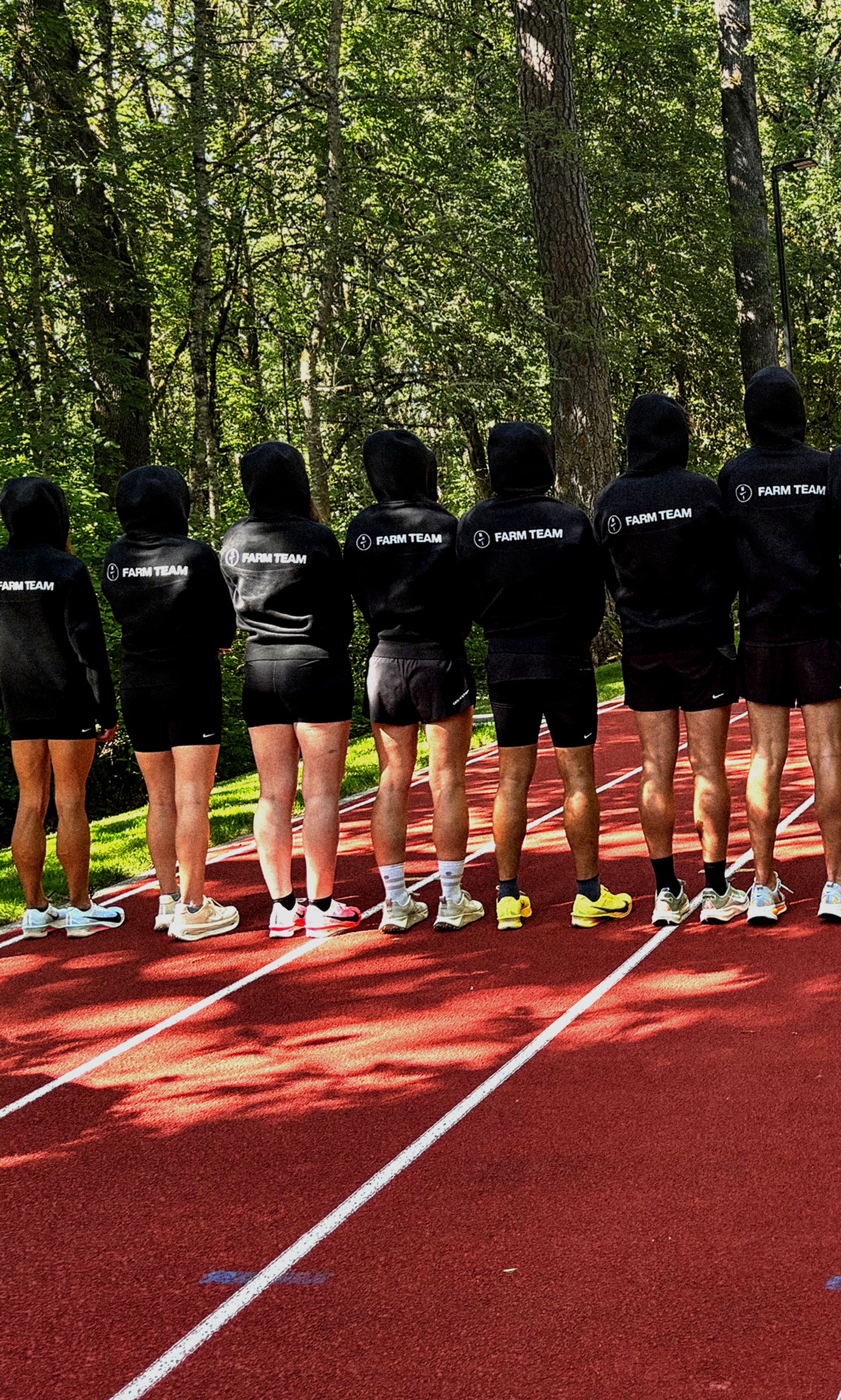
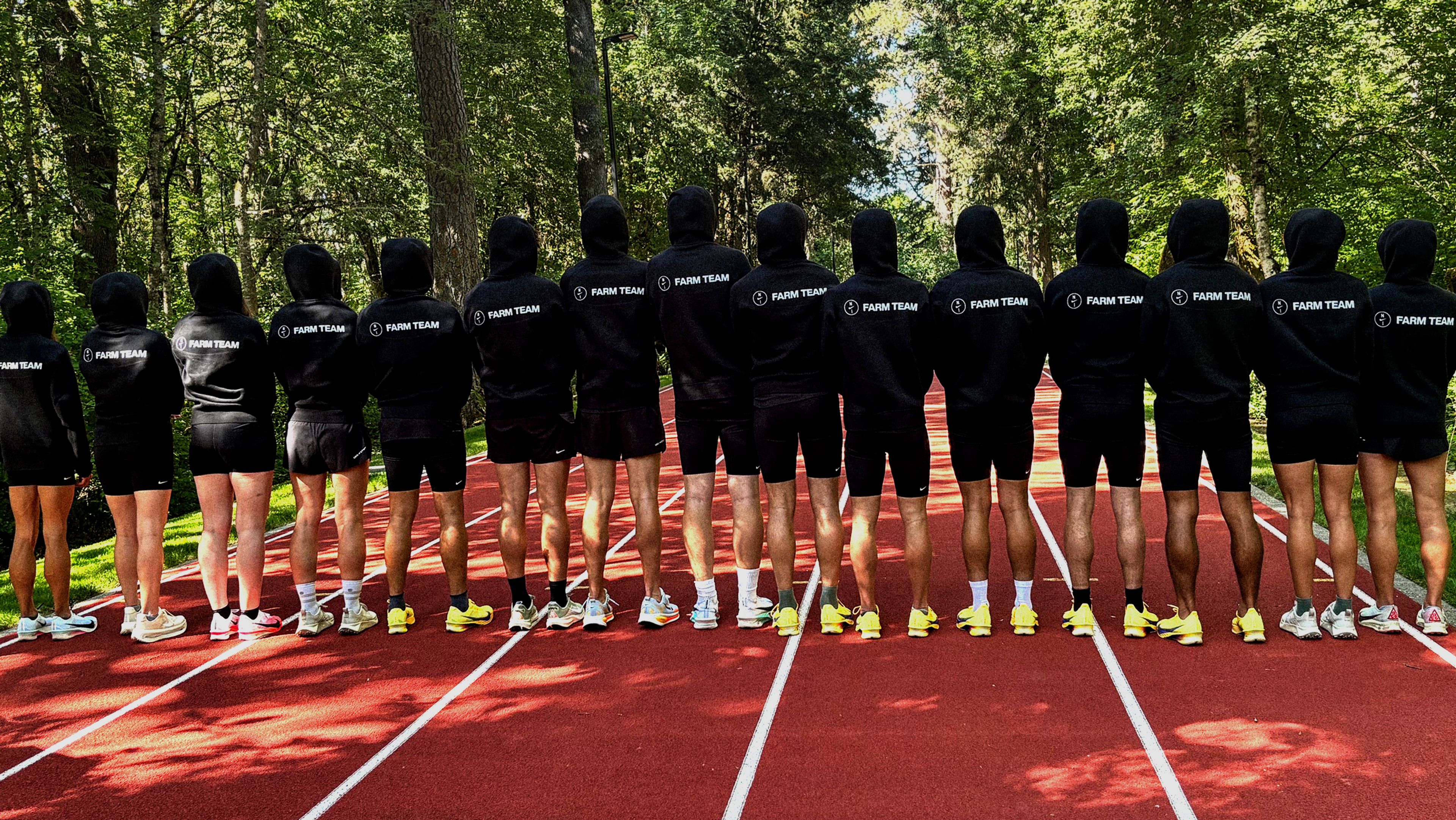
For Miao, the wall was simply one more obstacle to climb. She’d later cross the finish line, fist raised in the air, completing the race in 13:04:34, the course’s fastest-ever time in the women’s field. Yao Miao is one of the most accomplished racers of her generation. She’s one of only six runners worldwide to win two different UTMB finals events. But she also had a secret tool in her race prep: insights from the Nike Innovation Farm Team, an 18-strong ultra runner cohort who trained in a four-month residency at the Nike Sport Research Lab (NSRL) in Beaverton, Oregon.
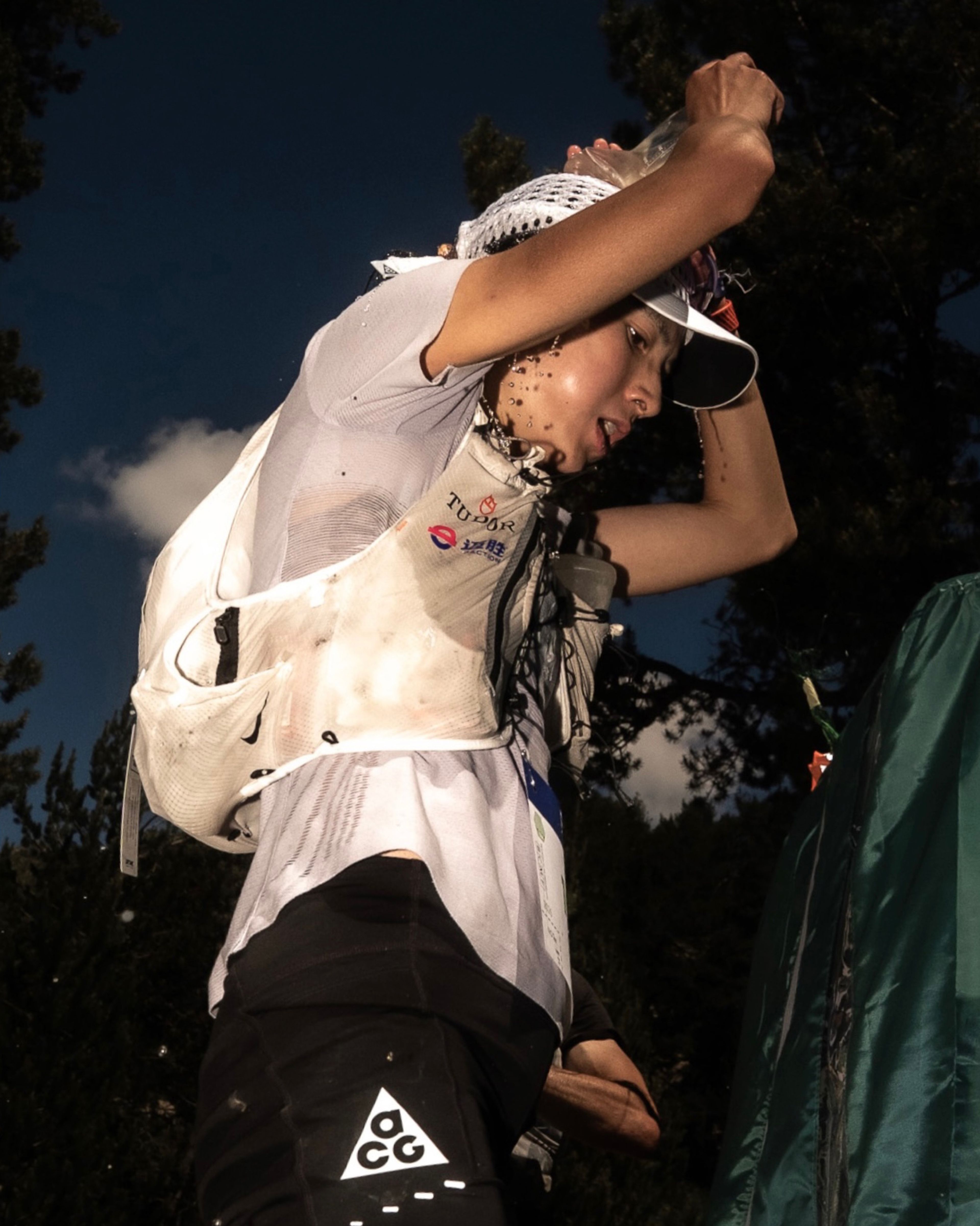
Ultra courses like Spain's Camins d’Hèr tax the bodies of athletes like Yao Miao in brutal ways. While competing in Camins d’Hèr, Miao briefly lost her vision.
A Nike team of applied physiologists combined the data from Miao’s springtime visit to the NSRL with a four-hour resilience run done by the Farm Team and crunched the numbers through a predictive model to map out the pace that would land her in a hypothetical finish window. They shared the formula with Miao in the weeks before Camins d’Hèr. The team estimated she'd finish between 12:37 and 13:44, and to put ink on a specific number, 13:09. She’d cross the arch in Vielha within five minutes of that prediction.
Thanks in large part to the data from the Farm Team, there was less guesswork to the milestones Miao needed to hit. The group acted like a roster of teammates in her corner, bringing a sharper clarity to her plan.
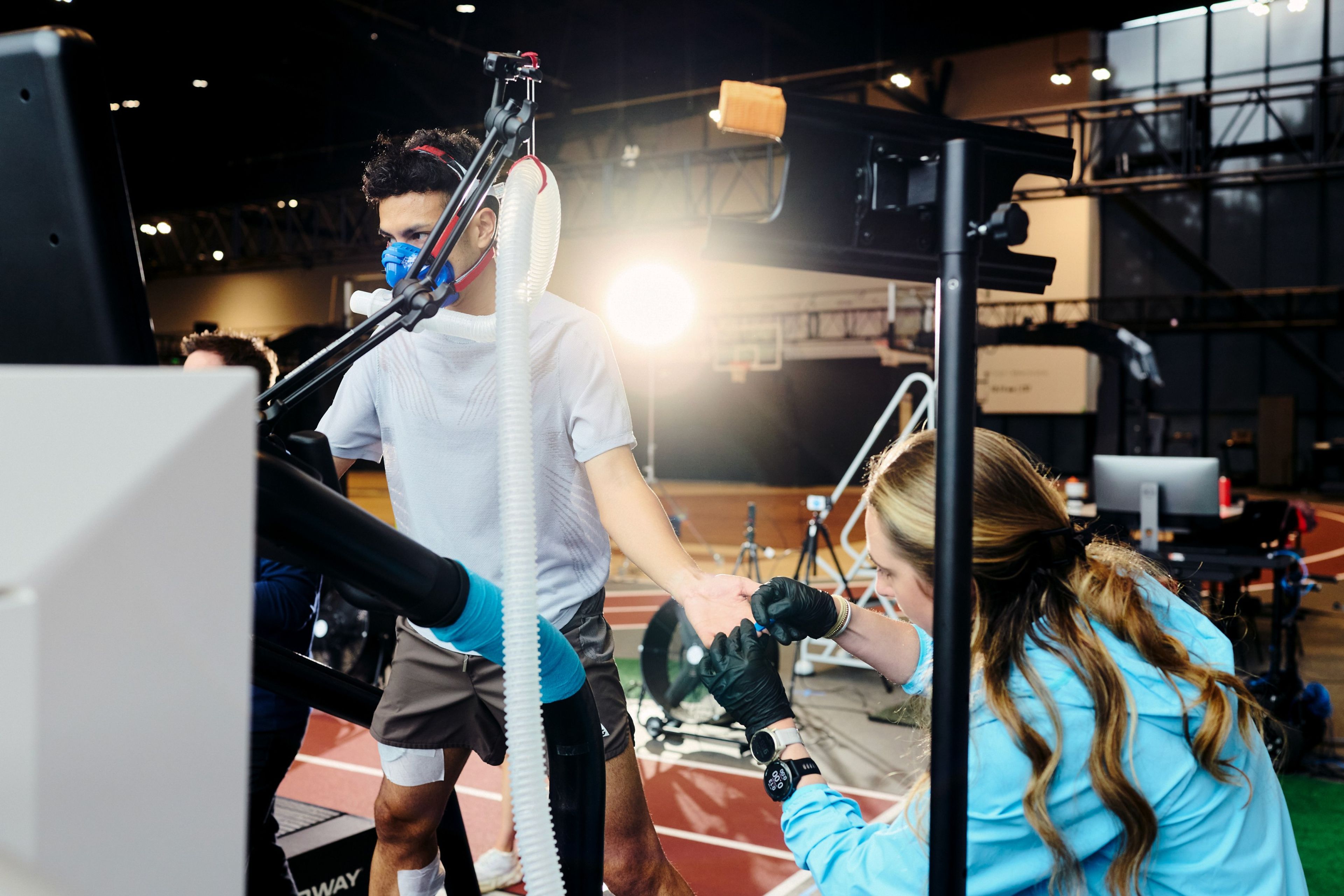
Critical for Nike’s scientists was studying the metabolic aspects of an ultra runner’s physiology. Think of it as a runner’s engine, studied through tests that measure byproducts like blood lactate.
And that was the whole point. The 15-week Nike Innovation Farm Team, which kicked off in April at Nike’s Philip H. Knight Campus, was created to help Nike innovators uncover the levers behind ultra-endurance running.
The science of endurance performance under two hours is fairly well understood. The longer a runner goes, however, the less we know about what causes some to succeed and others to crumble. The standard factors of endurance performance become more dynamic, and unpredictable, especially in ultra-distance mountain running. The distances are outrageous. The terrain shape-shifts in a flash, covering high-altitude climbs and steep descents. There’s a mix of unforgiving surfaces, and the weather can change rapidly. What’s more, a race can last for days, and it’s largely a solo endeavor. You’re likely to be running by yourself for extended periods of time, sometimes for hours. The opportunities for a scientist to intervene naturally and observe how the runner’s body is negotiating the work are few.
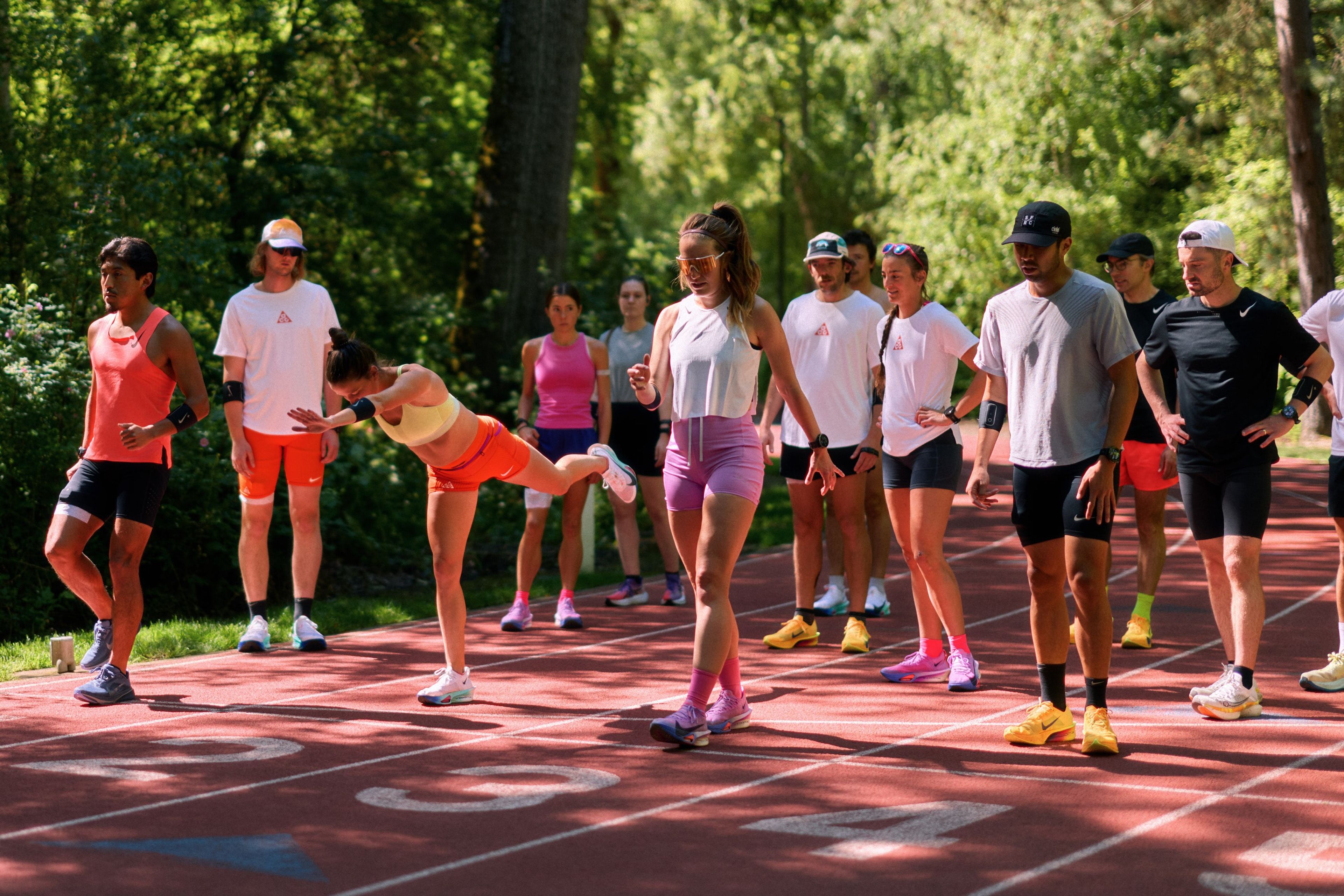
Members of the Nike Innovation Farm Team came from across the country, united by their love of trail running and their desire to take ultra-endurance research to a new frontier.
What the Farm Team gave Nike researchers was a rare 15-week window to dig into all aspects of the sport and, maybe most important, its elusive performance enhancer: resilience.
“In a race, everyone slows down over 13 hours,” says Brett Kirby, PhD, Senior Principal Scientist of Applied Performance Innovation in the Nike Sport Research Lab. “The winner is the one who slows down the least. In other words, the most resilient runner wins. We wanted to study resilience in three main ways: physiologically, biomechanically and psychologically.”
With the Farm Team, NSRL scientists wanted to create a realistic, uninterrupted environment to gather enough data to better understand this resilience. The bonus was that the outcomes of their studies should help all runners dial in their training. This could be picking the right program (e.g., what could help you blast through an uphill sprint in hour eight of a race), or the right product to wear for a race course. This scientific foundation for new product solutions extends beyond the pros too, and can help any runner who hits the wall of the mountain and wants to break through.
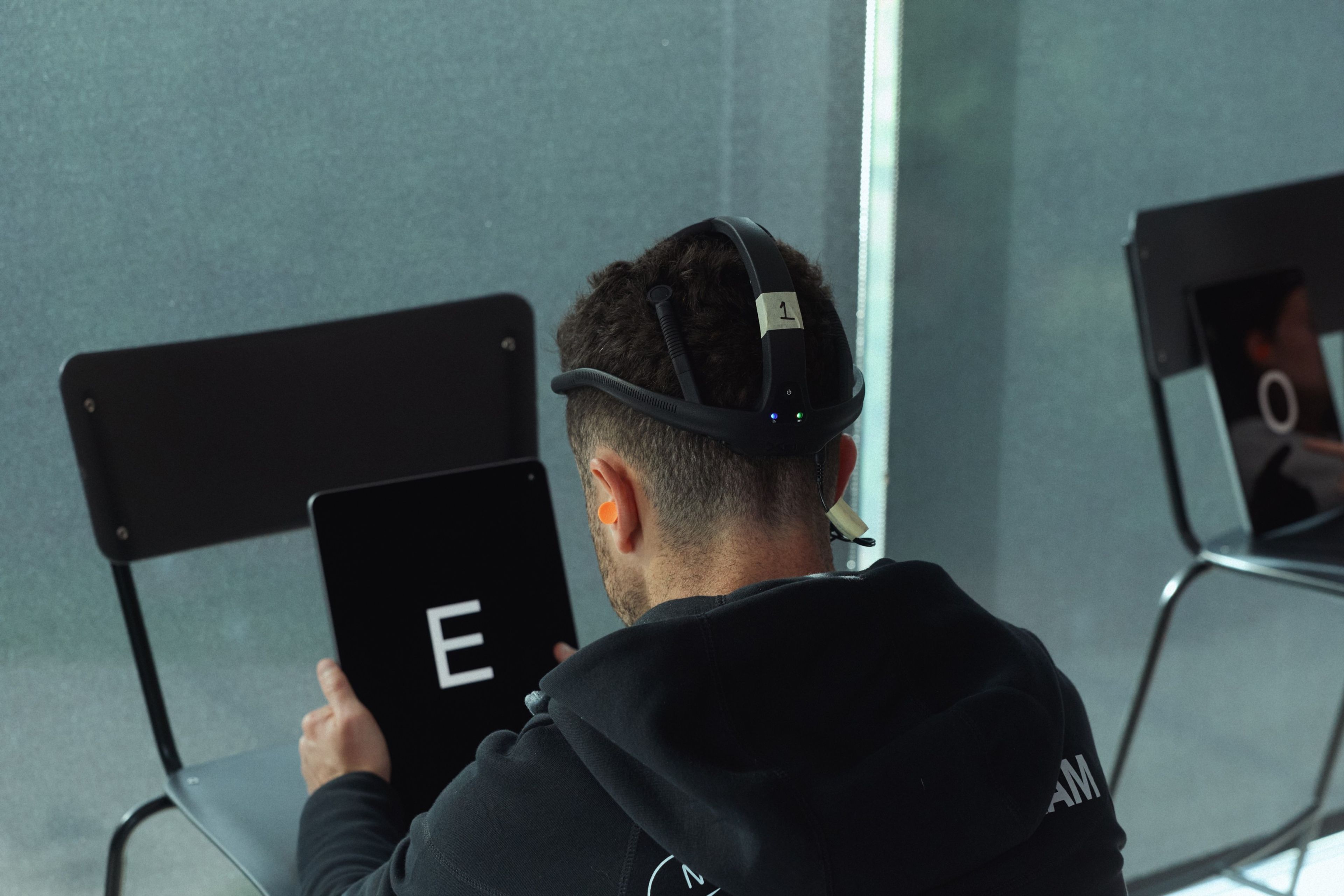
In ultra running, cognitive testing can shed light on qualities like attention and memory under hard physical trial. Scientists are still studying how resilience applies to both the body and the mind.
“In a race, everyone slows down over 13 hours. The winner is the one who slows down the least. In other words, the most resilient runner wins.”
Brett Kirby, PhD, Senior Principal Scientist of Applied Performance Innovation, NSRL
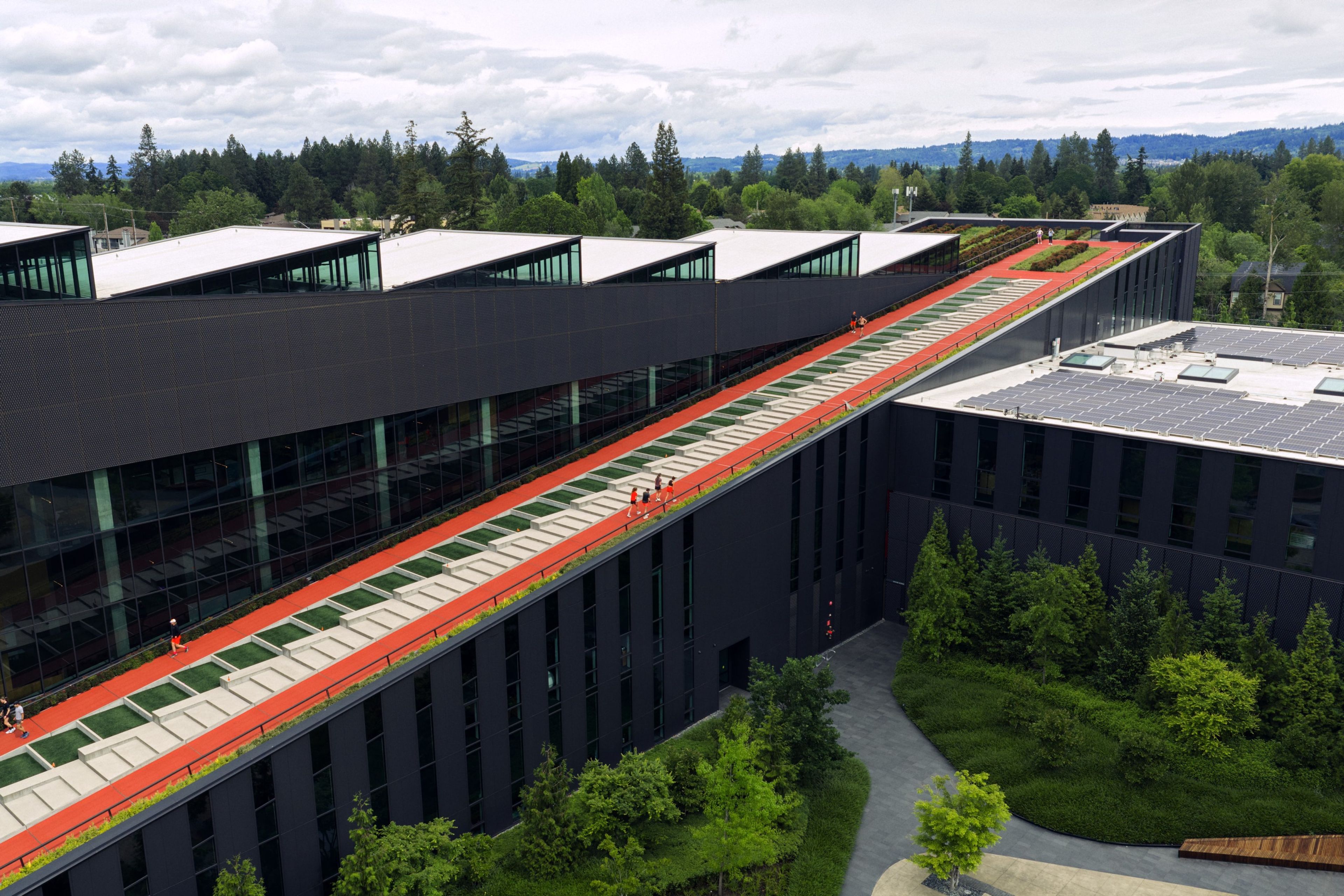
After two weeks of baseline testing, the 18 runners were divided into two cohorts, each focusing on either a concentric (uphill) or eccentric (downhill) training protocol for 10 weeks.
Nike’s vast backyard in the Pacific Northwest became the Farm Team’s research center. They were embedded in the NSRL and set free in the surrounding Portland area, including the sprawling Forest Park trails and the stunning routes in the Columbia River Gorge.
“Time under effort is the variable that makes or breaks an ultra runner’s race,” says Brad Winn, Lead Researcher of Applied Innovation, who served as the program’s head coach over the 15-week protocol. “Time is also the critical piece on the research side. We wanted to spend as much of it with these athletes as possible.”
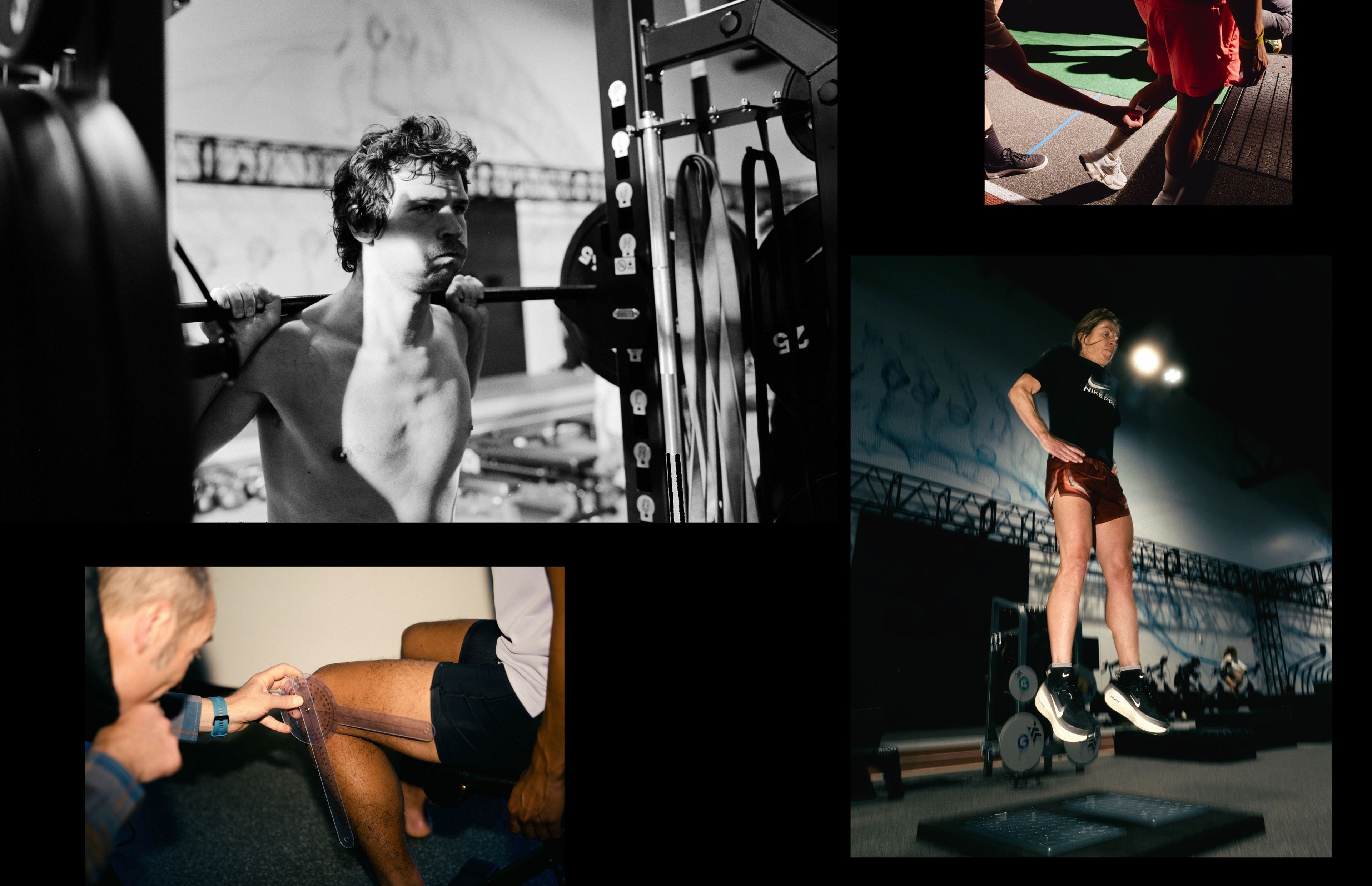
In addition to run-specific workouts, both groups applied their concentric or eccentric focus to their assigned strength training workouts.
The program’s name came from two places. One borrows from the farm team concept popular in sports like baseball, where a farm team serves as an important talent pipeline for a franchise. The other comes from one of Nike’s foundational employees, Jeff Johnson. In the mid ’90s, he and Stanford track coach Vin Lananna co-founded the esteemed sub-elite distance-running track team, in many ways a precursor to today’s track clubs. Both inspirations draw from the same purpose: to explore how a dedicated pipeline can, through athlete talent and the exploration of their potential, improve a larger community.
There were 18 spots, nine men and nine women, up for grabs on the Farm Team’s roster, and runners applied online beginning in March 2026. Criteria for the program was strict. Selected runners needed to complete all 15 weeks of training, and have the ability to run up to four hours at a sub-elite pace. Nike Innovation received thousands of applications, and had the daunting task of selecting the handful who would be invited to relocate full-time to Beaverton.
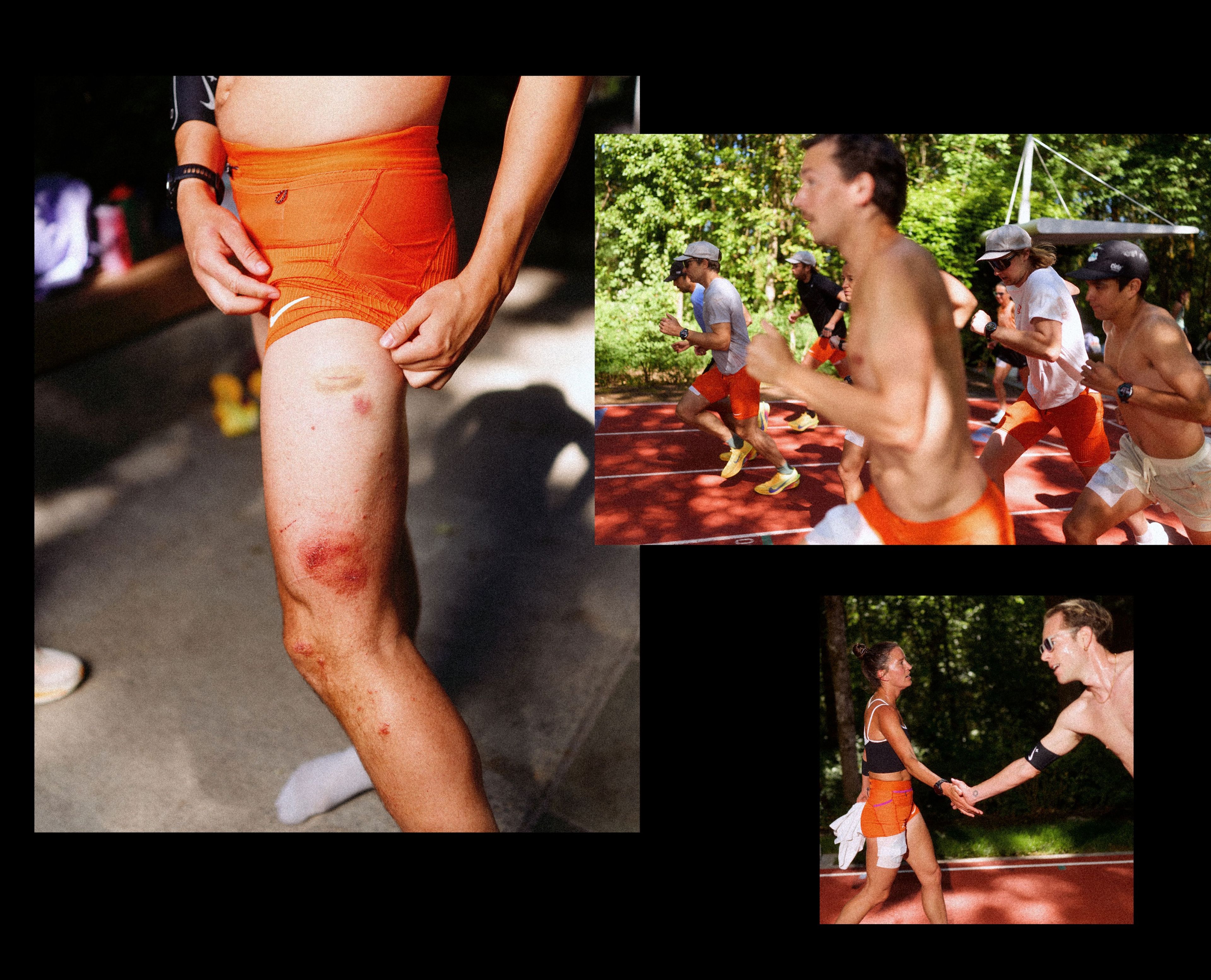
From track workouts to sprints up and down the imposing 200-meter, 15-percent-grade ramp next to the LeBron James Innovation Center, Nike’s facilities took on the role of Testing HQ for four months.
The residency’s embedded nature was undoubtedly a challenge. “Moving away for four months has been difficult, on top of working a full-time job," says Alec Hewett, a Farm Team runner who works as a Senior Manager of National Teams at USA Triathlon and is in his first year of marriage. "But the sacrifices were still a no-brainer for me and my wife. Having full support from her and from my job has been awesome.”
The 18 runners were divided into two cohorts, each focusing on a different training protocol over 10 weeks. One was a concentric-dominant, more traditional uphill program (concentric refers to the shortening of the muscle under force). The other was an eccentric-dominant program, or one that focused on the lengthening of the muscle under force, translating into downhill workouts. In addition to run-specific workouts, both groups applied their concentric or eccentric focus to assigned strength training workouts. The eccentric groups, for example, would do lifts like descending lunges, paying close attention to the lowering of the weights, whereas the concentric group did a contrasting lift, like a weighted step-up.
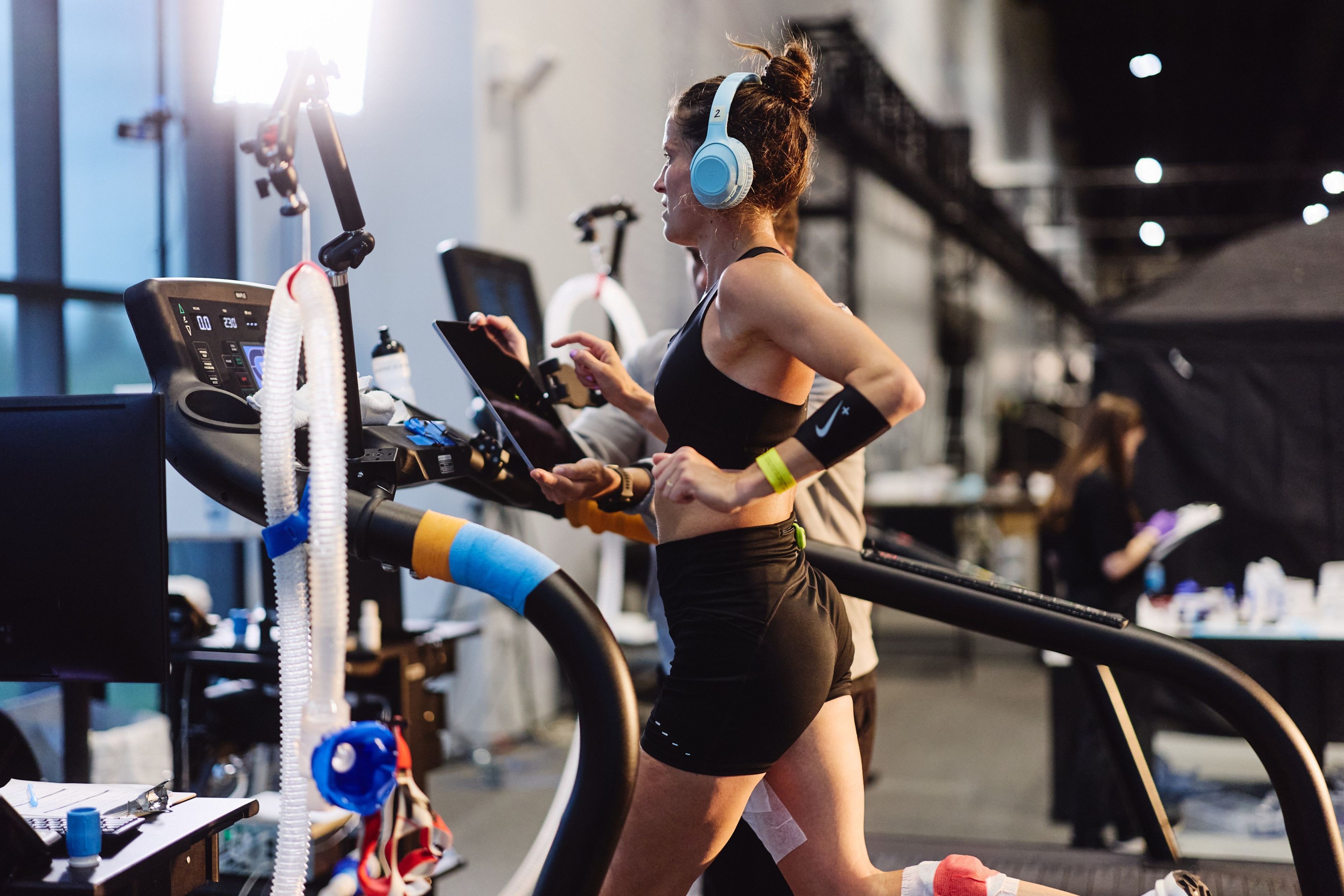
One of the most important tests was the four-hour resilience run on the treadmill to directly measure the variables behind physiological, biomechanical and psychological changes in resilience.
“The people who know athletes best are the ones who spend the most time with them — it’s that simple."
Brad Winn, Lead Researcher of Applied Performance Innovation in the NSRL
The team was given a full array of Nike’s diagnostic tools in the NSRL to help scientists better grasp what was happening under the hood of each runner. For example, every runner’s gait was analyzed through Nike Form, an algorithmic tool developed in-house by the NSRL to study a runner’s unique biomechanics. Through this data, scientists could study the athletes’ mechanics during long runs, how training impacted their mechanics over the course of the study, how their body interacted with footwear over time, and how race simulations impacted fatigue. After 10 weeks of training, each baseline test was measured again, charting how runners progressed their fitness according to their program.
The Farm Team played an important role in testing some of the latest breakthroughs coming out of Nike Innovation, like the recently announced Picklejus, the new ACG model with a cushioning system optimized for big-mountain racing. The roster tested the shoes in the lab, trialing Picklejus during a challenging four-hour treadmill test with changes in both speed and gradient to simulate mountain-like terrain.
The team’s comments on the shoe and, specifically, their ability to describe in clear terms what they needed to feel from it helped show what was working well. For example, many runners voiced a need for protective stability without sacrificing snappiness for uphill surges. The Farm Team also tested apparel prototypes that ACG pros like Miao wore for her Camins d’Hèr race.
With a trove of scientific data over the 15-week residency (the Nike Form sessions alone gathered some 13 gigabytes of data per runner) the insights move in all directions. They travel down to the general product level and move up to ACG’s roster of pros, who are wringing every possible advantage out of their pre-race training, race-day strategy and post-race recovery.
Take Caleb Olson. In October 2025, the NSRL Applied Performance Innovation teammates met with the Western States 100 winner for a mini camp in the desert of St. George, Utah, talking about his typical training and how he’s preparing for UTMB. That exchange cued unanswered questions in trail running, especially the power of downhill running. Olson asked how he could run downhills at full effort rather than conserving energy for the last descent. That question was an impetus for Nike Innovation Farm Team training: to build a training regime that could fortify Olson's body. Nike Innovation teammates created Nike products that would give him an edge — the same products tested at length by the Farm Team cohort.
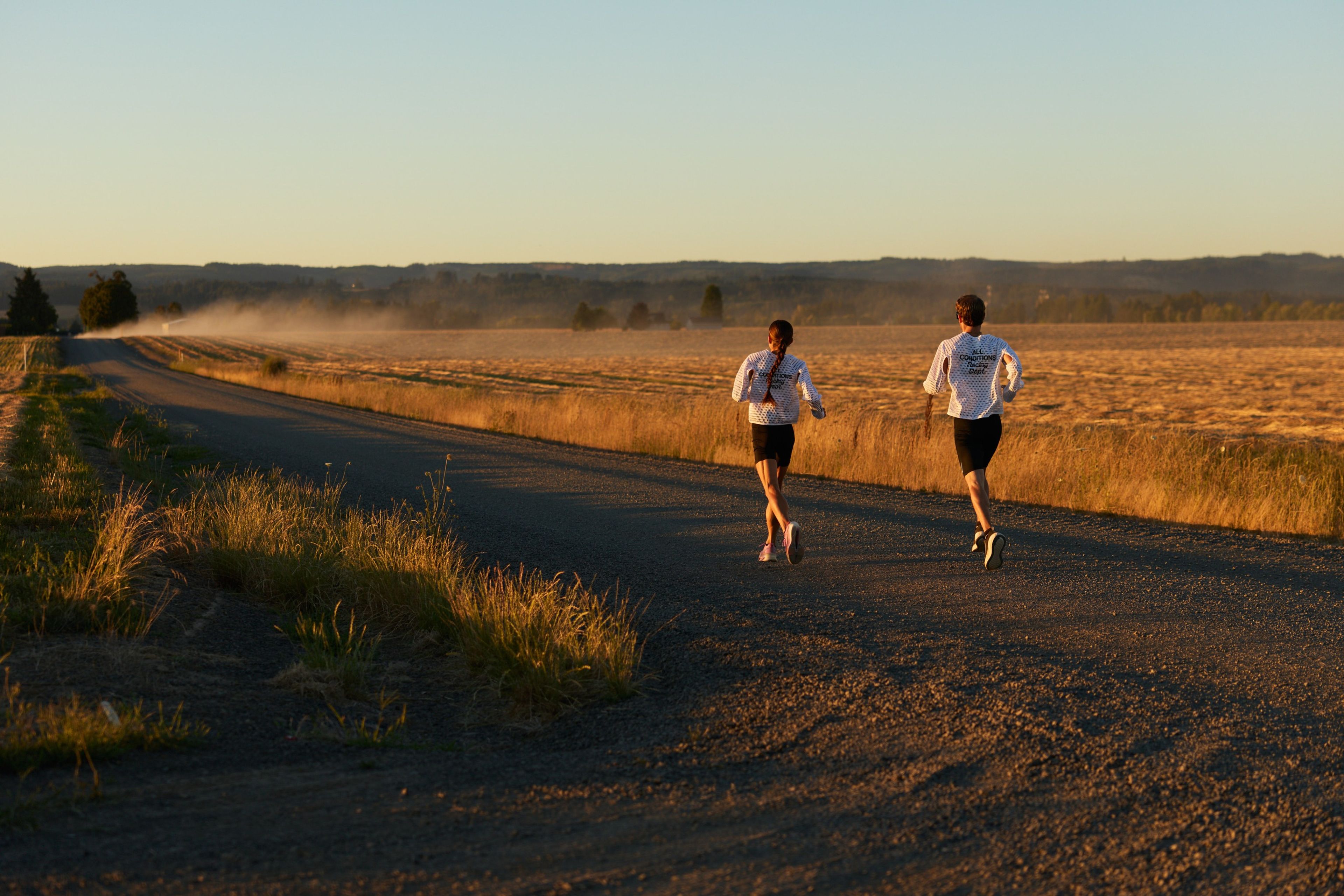
A study like the Nike Innovation Farm Team creates real value when the insights move out from the NSRL and into the dusty, rocky real world.
“Lab data doesn’t win races,” says Kirby. “Conversations do. The data doesn’t mean anything if we can’t connect it to meaningful relationships with our athletes.”
The Farm Team program wrapped in late July. Nike scientists now have their own mountain to climb in sorting through the data, and some intriguing results are bubbling up. One of them, says Kirby, is the improvement in physiological, biomechanical and psychological testing in the eccentric training group, which doesn’t resemble a traditional, blue-chip fitness program. On the mega ramp outside the LeBron James Innovation Center, while the runners completed punishing repeats, some of them assigned to the downhill regimen barely felt like they were breaking a sweat. This gives credibility to a convention-bucking point in the world of training: Eccentric tolerance is a training variable that must be worked into your plan.
While the study’s conclusions are ongoing, the takeways are immediate. And that brings us back to Yao Miao, Camins d’Hèr and the wall.
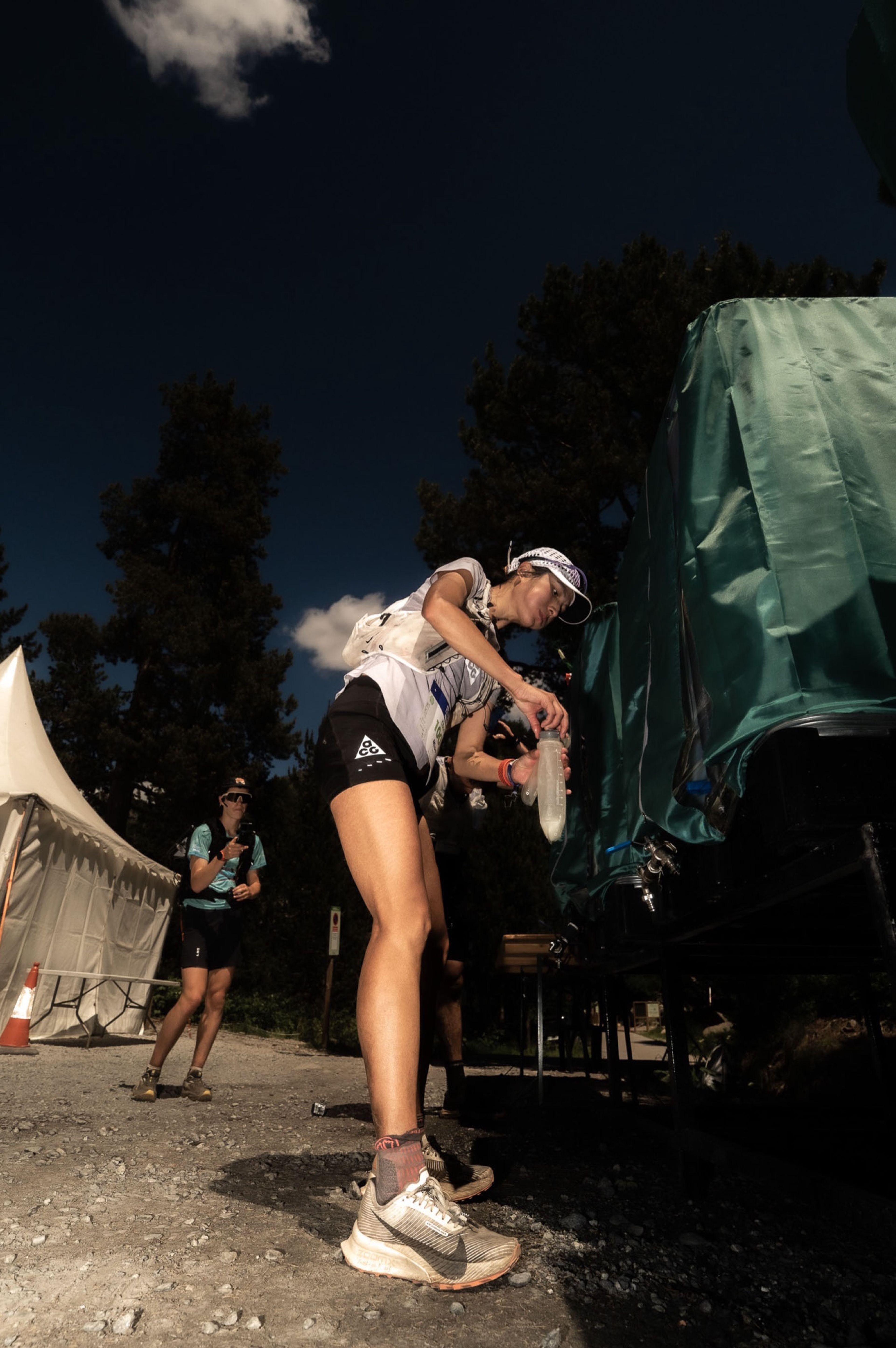
The goal for Yao Miao’s tailored race-day plan for Camins d’Hèr: Use the data from the Farm Team to help Miao push the limit of her physiology without breaking down.
The morning Miao began the race, she had a dedicated physiological cheat sheet at her fingertips, translated into pacing charts by the second over the technical course. It was like a menu at each stop describing which interventions to take, like whether to apply sunscreen, what fuel to eat and why, as well as researched recommendations for what product to wear. This data-backed advice came from Farm Team insights.
Miao hit the cooling station at the eleventh stage. The Nike Innovation team had prescribed options: an ice bandana, cold water to pour over her head, salt tablets. They also created a cue card for her technique to help her efficiently scale the ascent: “Head down, shortest stride, poles fully engaged.” Included on that card was a concise summary of the plan to finish the race. It summed up in 27 words what Miao was feeling after more than 10 hours of peak physical exhaustion: “Final Wall. 57 minutes. Heart rate will be 96% the whole time, that IS the plan. You will feel awful, everyone does. From the top, only 8km remain.”
Nobody knows exactly what will happen during the twists and turns of an ultra race. But thanks to residency programs like the Farm Team, there’s less mystery in knowing what makes an ultra runner tick.
“The people who know athletes best are the ones who spend the most time with them — it’s that simple,” says Winn. “There’s no better way to do that than bringing them here to our house, inviting them in, and doing everything we can to support them.”