Minjeong Choi Took a Chance on Short-Track Speed Skating. In Milan, She’ll Go for History

- February 10, 2026
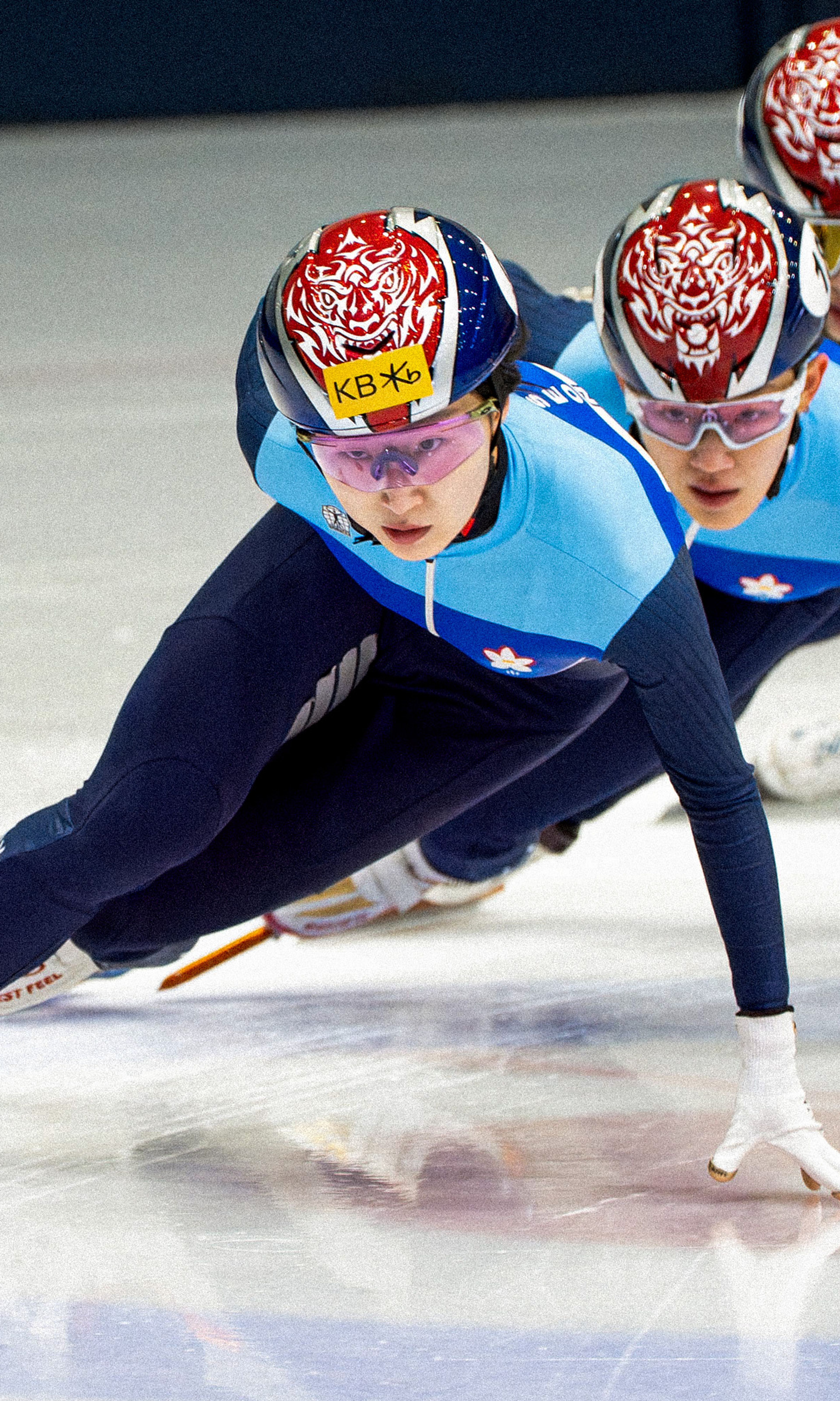
When South Korean short-track speed skater Minjeong Choi was 6 years old, her family used to receive a Seoul daily newspaper every morning. One day, almost by accident, she saw a flyer in the newspaper’s insert, which advertised a winter break skating program at the Korea University ice rink near her home. She progressed from the basics of skating to the discipline of short-track speed skating. The distances are comparable to those in track and field, all the way up to 1,500 meters. But the races are lightning-fast, and in the tight, oval confines of the rink, sound technique can mean the difference between first place and last place. (Her memorable anchor leg in the 3,000-meter relay for the 2022 World Championships saw her jump from third place to first on the final curve, winning by just 0.034 seconds ahead of Canada.) Now 27 years old, Minjeong has gone from trying out skating on a whim during her winter break to becoming a three-time Olympic champion, a four-time World Champion, and the world record holder in the 1,500-meter, a record she’ll defend in Milan. Below, Minjeong shares more about the unique physical challenges of short-track speed skating, the key to staying calm under pressure, and why luck and resilience exist on the same continuum.
Moving forward again and again is what truly matters in this sport. Short-track speed skating is incredibly demanding. The athletes compete in a variety of distances, both individually and in relays. The races are so dynamic that you need to be able to recover quickly to prepare yourself for the next round or race. Mental resilience is crucial. Things unfold quickly in short track, so you can’t afford to dwell on a single mistake or failure.
In winter sports, you can’t overstate how important it is to be able to access the right environment. My hometown is Seoul, the capital of South Korea. I was born in the very center of the city. Growing up nearby such well-established skating facilities made it natural for me to start short-track speed skating and eventually pursue it as a professional career.
“I’ve fallen in love with skating over and over again in my life. I’ve been skating for over 20 years, and what’s guided me to this day is that moment when I first stepped onto the ice at 6 years old.”
Minjeong Choi
I’ve fallen in love with skating over and over again in my life. I’ve been skating for over 20 years, and what’s guided me to this day is that moment when I first stepped onto the ice at 6 years old. I still vividly remember balancing on the unstable blades, carefully moving my feet while I felt the cold wind rush past me.
The pressure of an event like the Olympics reveals the mentors who mean the most to you. I was deeply influenced by our national team head coach during the 2018 season. At age 20, I was competing in my first Olympic games in my home country. I was under immense media pressure and expectation from the public. Everyone around me kept saying I had to prove myself — except my coach. He told me to simply enjoy the moment. Even if I failed, I had my whole career ahead of me. Letting go of the pressure to “succeed” in those rigid terms put me at ease and helped me to compete with a calm mindset.
Your defining moments summon a strength you never knew you had. During that relay at the 2022 World Championships, our team was so far behind Canada and the Netherlands, we were barely shown on the screen. When it was my leg to race, something came over me that I couldn’t explain. I closed the gap hard. As I came out of the final corner, I crossed the finish line first. There’s an image I’ve seen on the replay where the Canadian and Dutch skaters put their hands over their faces in disbelief. They never expected the comeback. The impossible became possible.
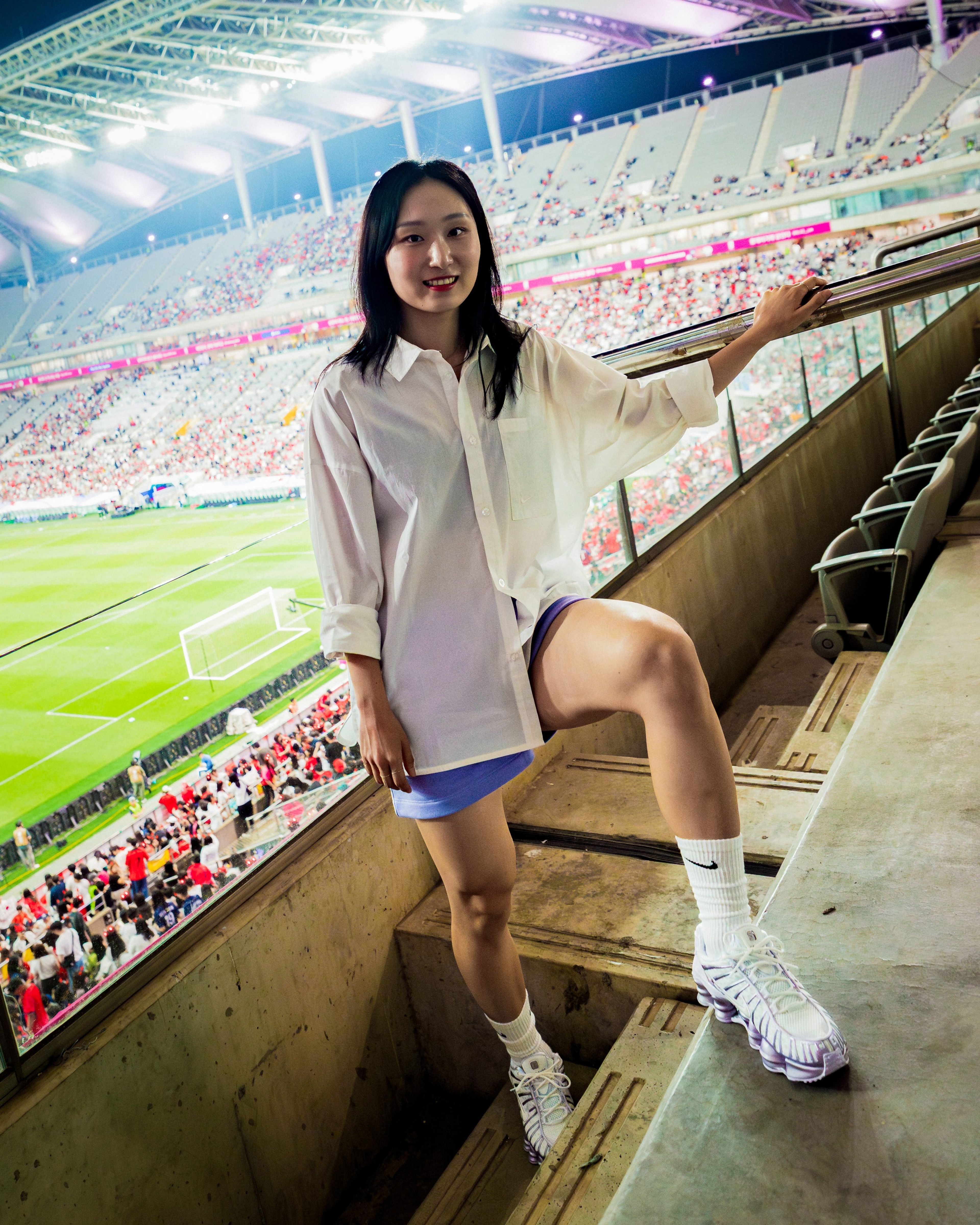
One of the most accomplished short-track speed skaters of her generation, Min-jeong won her first world title in 2015, at just 16 years old.
One way aging as an athlete humbles you is that it forces you to set new goals. It was in the 2024 World Tour season. Many of my European and North American competitors had significantly improved from the time I began my career, and they knew my racing tendencies. I was no longer one of the youngest athletes on the tour, but I worked hard to stay competitive physically and mentally, experimenting with different race tactics to develop a style that was truly my own. I finished fourth in the world rankings that year, but I still felt like I achieved a kind of victory.
Part of the emotional power of sport comes from knowing the impact we have on our communities. I had won gold in Beijing in 2022. I donated some of my winnings from that season to a relief fund that helped victims affected by the Uljin forest fire. I wanted to give back, even in a small way, to people who were going through very difficult times. I take great pride in representing South Korea. During national moments, I feel a strong responsibility to deliver great performances as an athlete, in all different forms.
Chance and luck are important, but they are just the starting point. As I started winning when I was a young athlete, I thought it was luck. Soon, competitors started treating me seriously, and that pressure made me stronger, helping instill in me a belief in my own ability and preparation. Before every race, I always ask myself, “Have I prepared more than anyone else here? If so, then all I need to do is skate.”