Sustainability

NIKE, Inc. exists to serve athletes.* Since Bill Bowerman’s first prototype, we have reimagined products to help athletes push barriers and achieve their goals. In a world being reshaped by climate change, that work takes on new meaning.
We are relentlessly innovating at scale to help all athletes perform at their best no matter the conditions and working to reduce our environmental impact. By driving greater efficiency, resilience and innovation across our value chain, this work helps strengthen our business, unlock new possibilities and create new ways to serve athletes in a rapidly changing world.
In the 1990s, we accelerated product innovation to equip athletes for warmer conditions, most notably with the launch of Dri-FIT. We also set our first carbon targets in 2001 and began driving a holistic approach to environmental sustainability focused on reducing our carbon emissions and waste, increasing circular practices, transitioning to cleaner chemistries and fostering the stewardship of natural resources.
*If you have a body, you are an athlete.
2030 Science-Based Target Progress (FY15 baseline)
Absolute emissions reduction in NIKE, Inc. operations (Scopes 1 & 2)
Absolute emissions reduction in supply chain (Scope 3)
FY20 - FY25 Progress by the Numbers
Absolute emissions reduction in NIKE, Inc. operations
Absolute emissions reduction in manufacturing and transportation
Renewable electricity in NIKE, Inc. operations
Environmentally preferred materials usage
Waste diverted from landfill in manufacturing, packaging, distribution centers & corporate offices with 76% reused or recycled
Freshwater usage reduction per kg textile dyeing and finishing
Today, we continue to build on over 30 years of experience in environmental and social responsibility to serve athletes and strengthen the resilience of our business and the communities where we and our suppliers operate.
Our holistic strategy continues to be grounded in data-driven insights, science and the voice of the athlete, from elite to everyday athletes around the globe. We hold ourselves accountable by setting science-based targets to objectively assess our progress. Currently, we are working to reduce GHG emissions in our NIKE, Inc. owned and operated facilities (Scope 1 & 2) by 75 percent and in our extended supply chain (Scope 3) by 35 percent by 2030 from an FY20 baseline as a part of our recently restated Science-Based Targets.

Aero-FIT, made from 100 percent textile waste and engineered to deliver double the airflow of legacy Nike materials, demonstrates how performance and sustainability can advance together.
We know challenges this complex cannot be solved alone. That's why we work with suppliers, industry peers and strategic partners to drive progress beyond our own operations—reducing emissions and waste, conserving water resources, scaling circular solutions, protecting forests and advancing cleaner chemistry.
For NIKE, Inc., there is no finish line. We will continue to challenge ourselves, our industry and our partners to drive meaningful progress, scale innovation and help create a future where athletes can perform at their best while reducing our impact on the planet.
Initiatives


Reducing Value Chain Emissions
We obsess the details across our operations and supply chain to reduce our carbon impact.
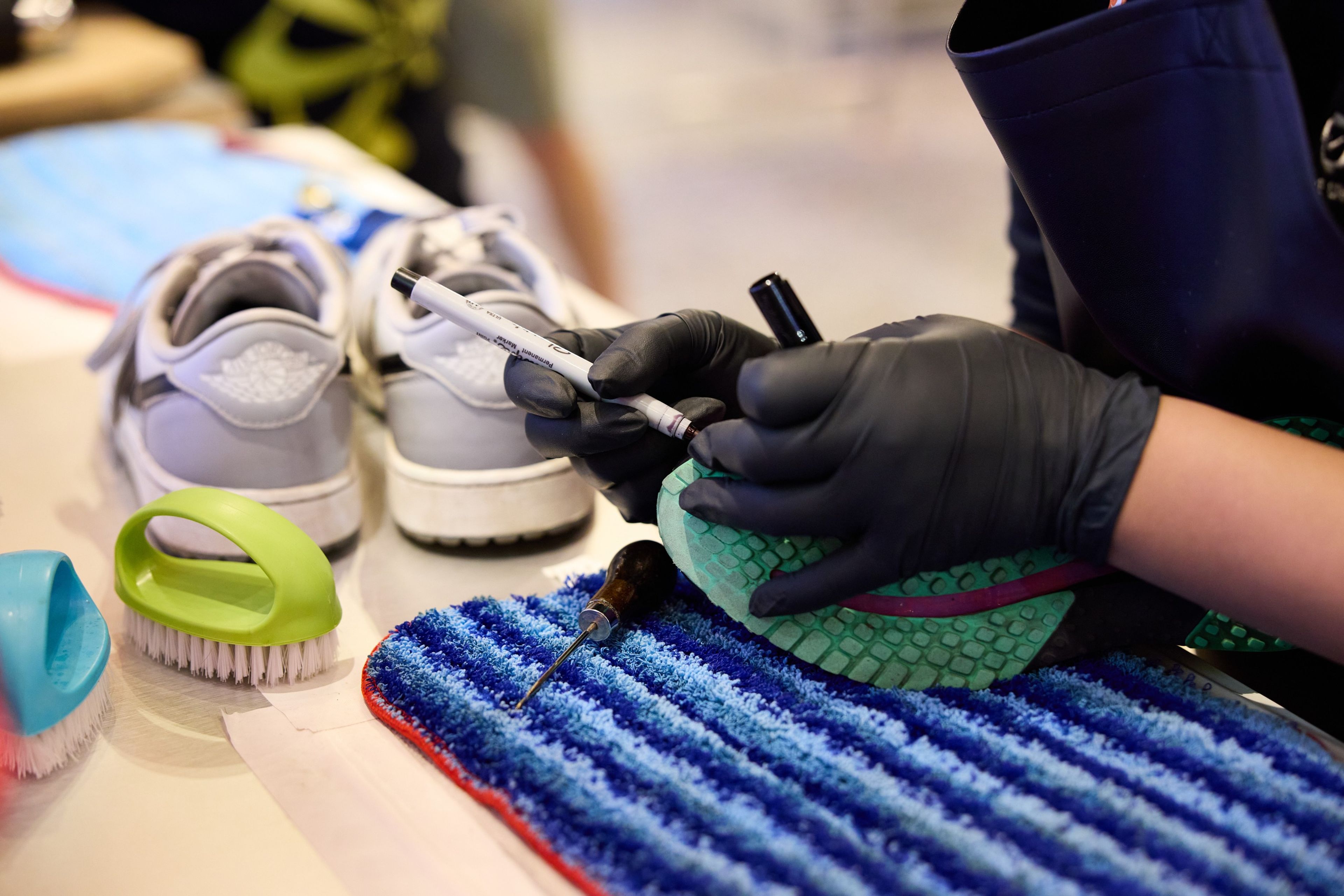
Advancing Circular Solutions
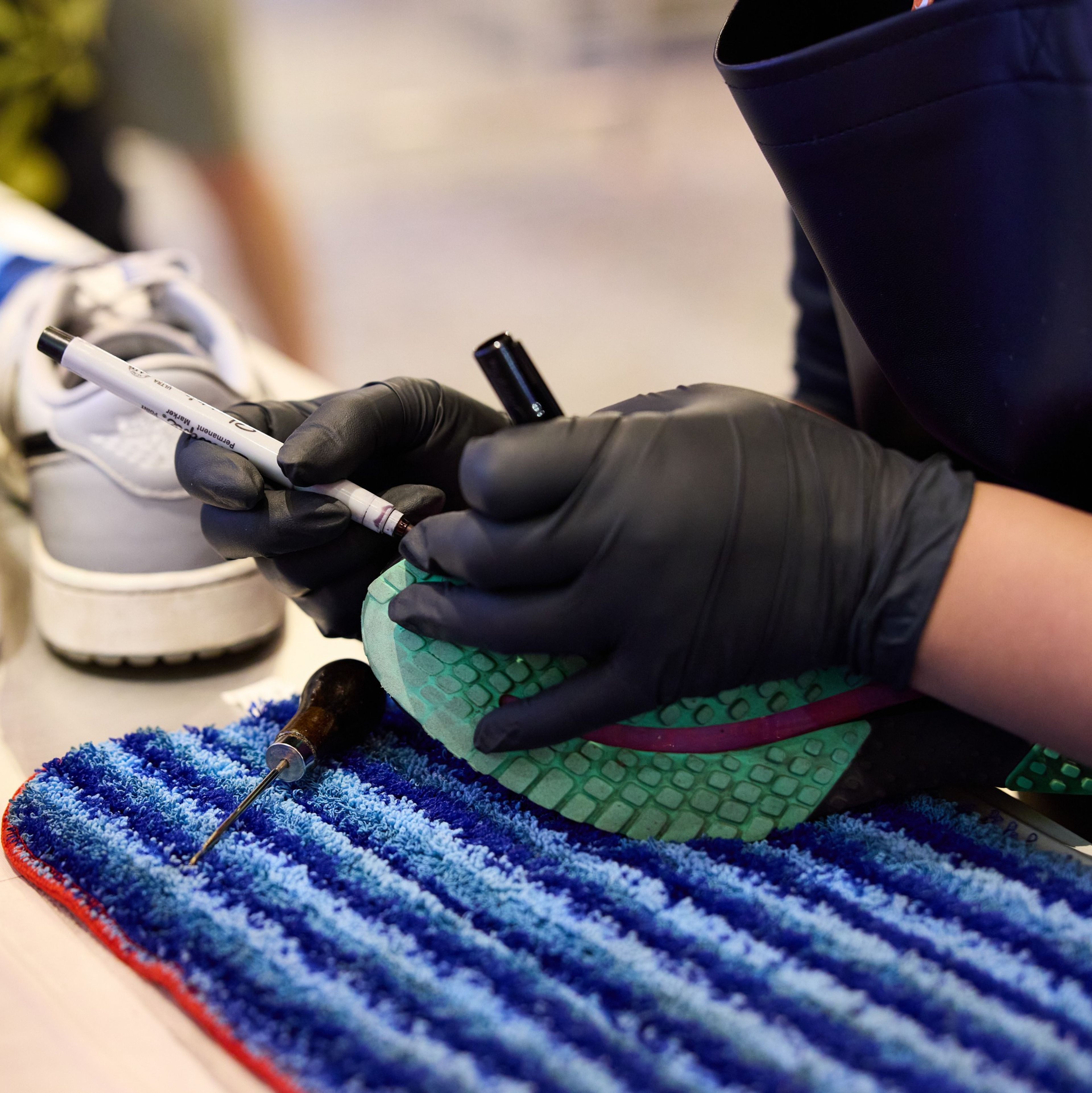
We are transforming our value chain into a circular system with less waste.
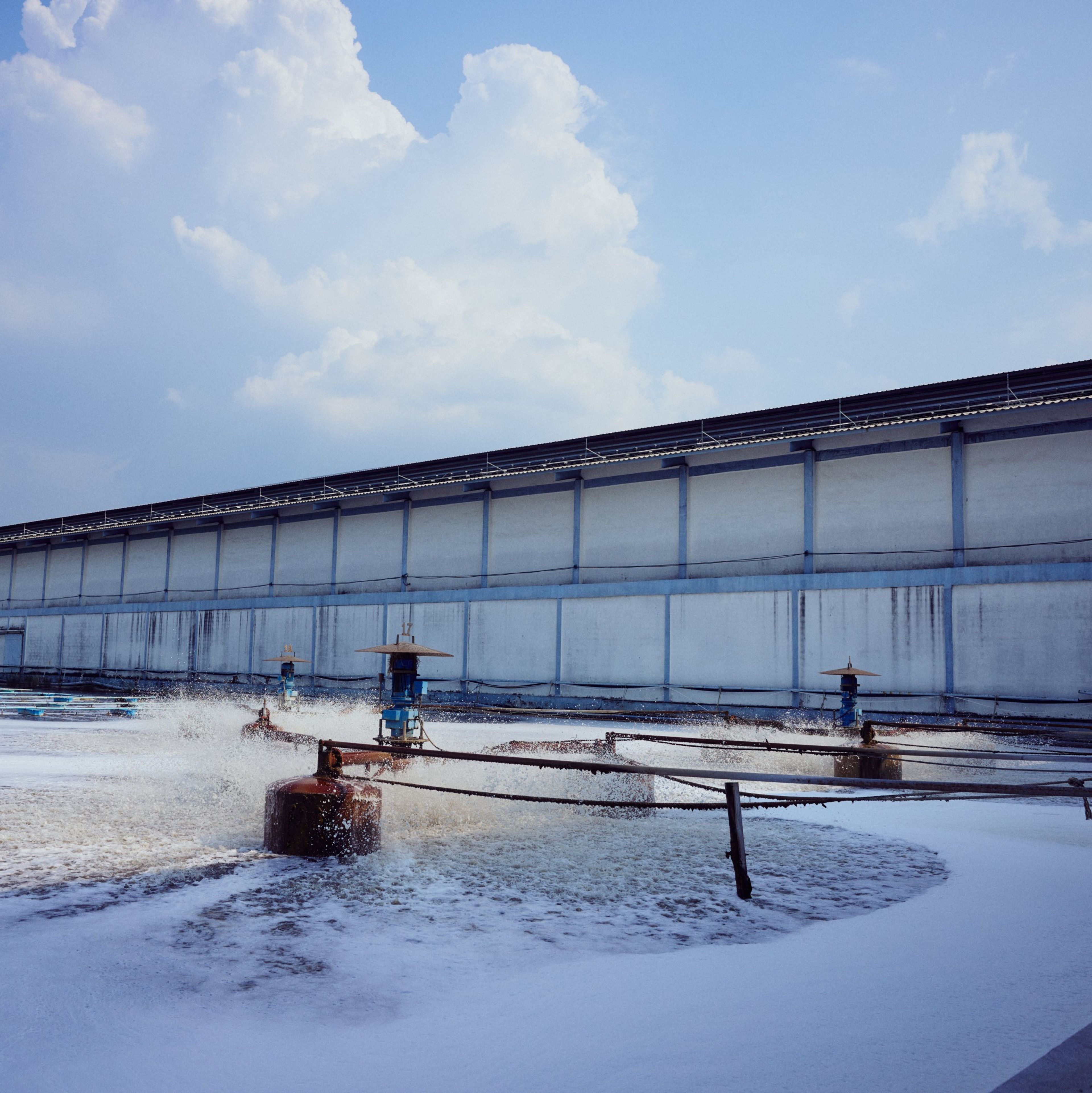
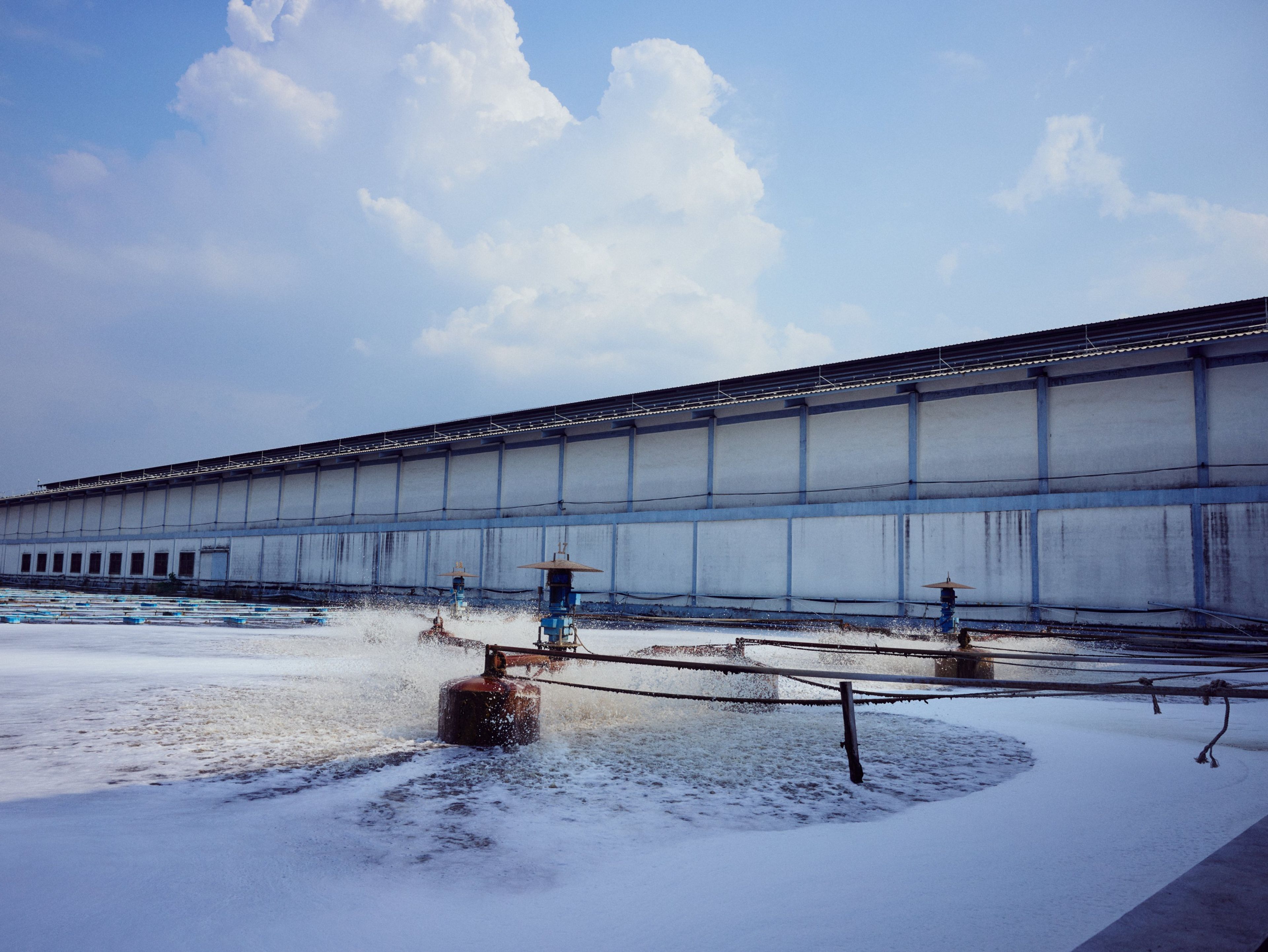
Strengthening Nature Resilience
We are reducing our reliance on freshwater while also building resilience in the communities where we operate.
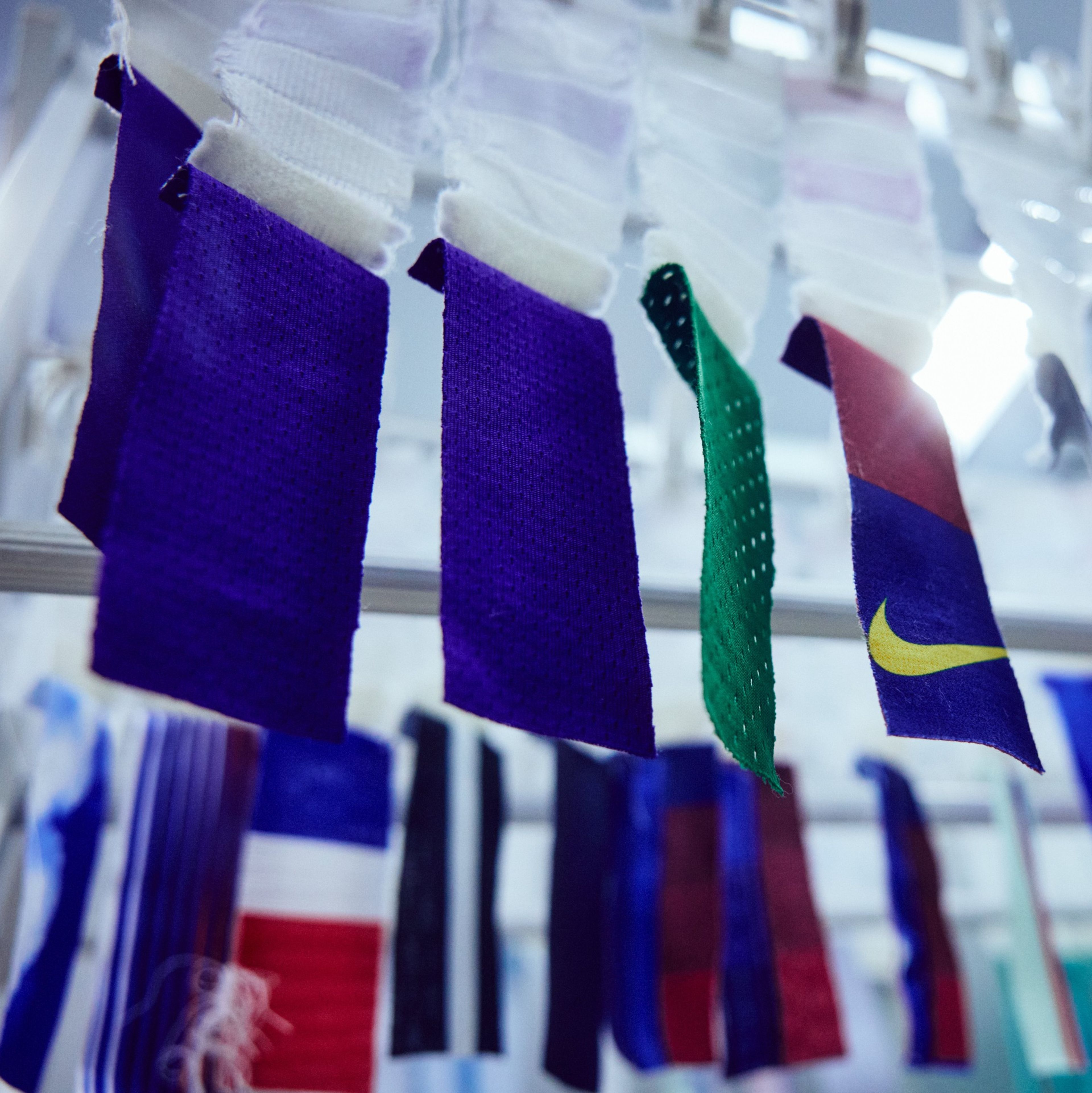

Advancing Cleaner Chemistry
We innovate cleaner chemistry alternatives to improve performance, the recyclability of our materials and the role our products can play in a circular economy.
Resources
From The Record
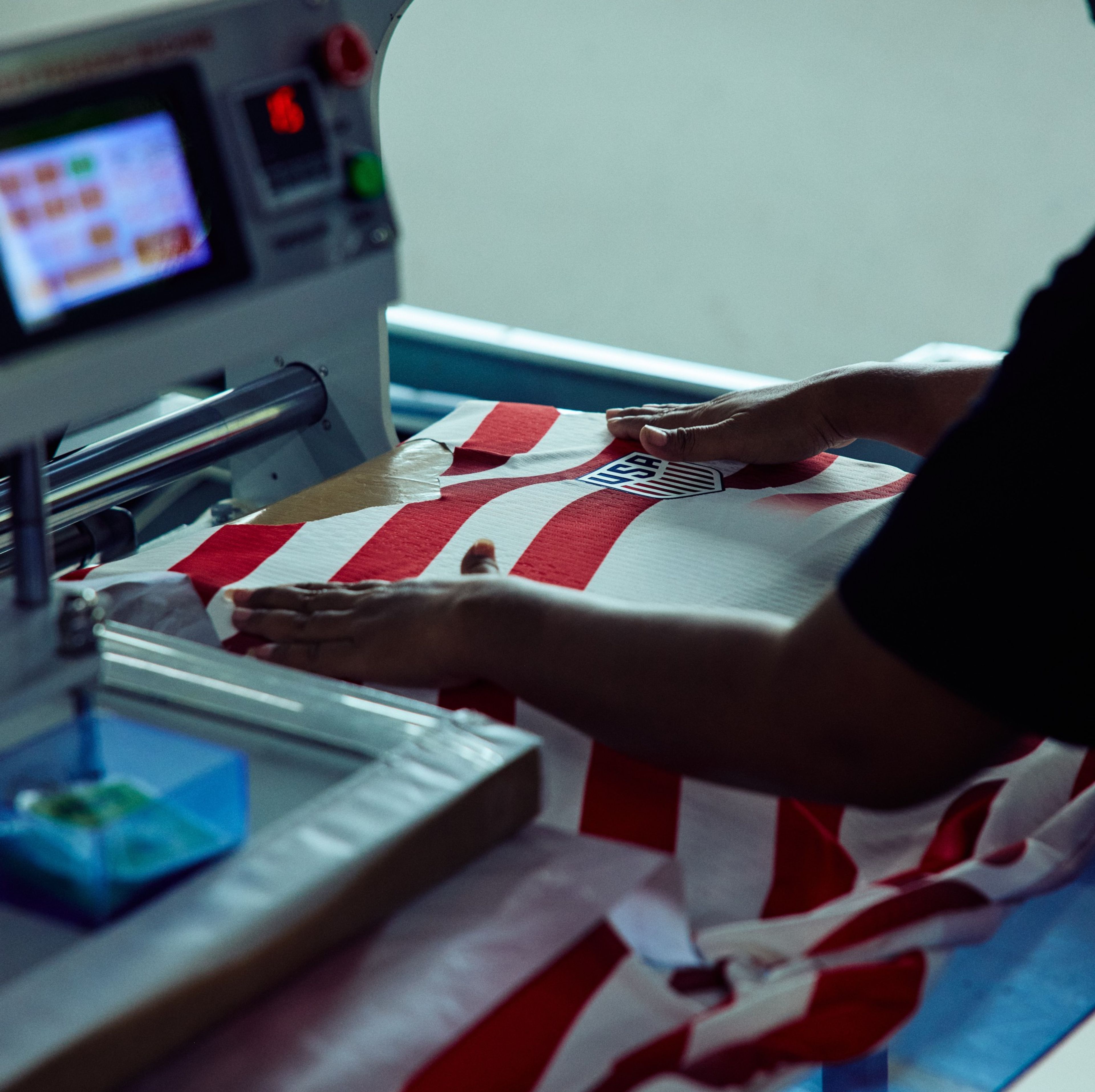
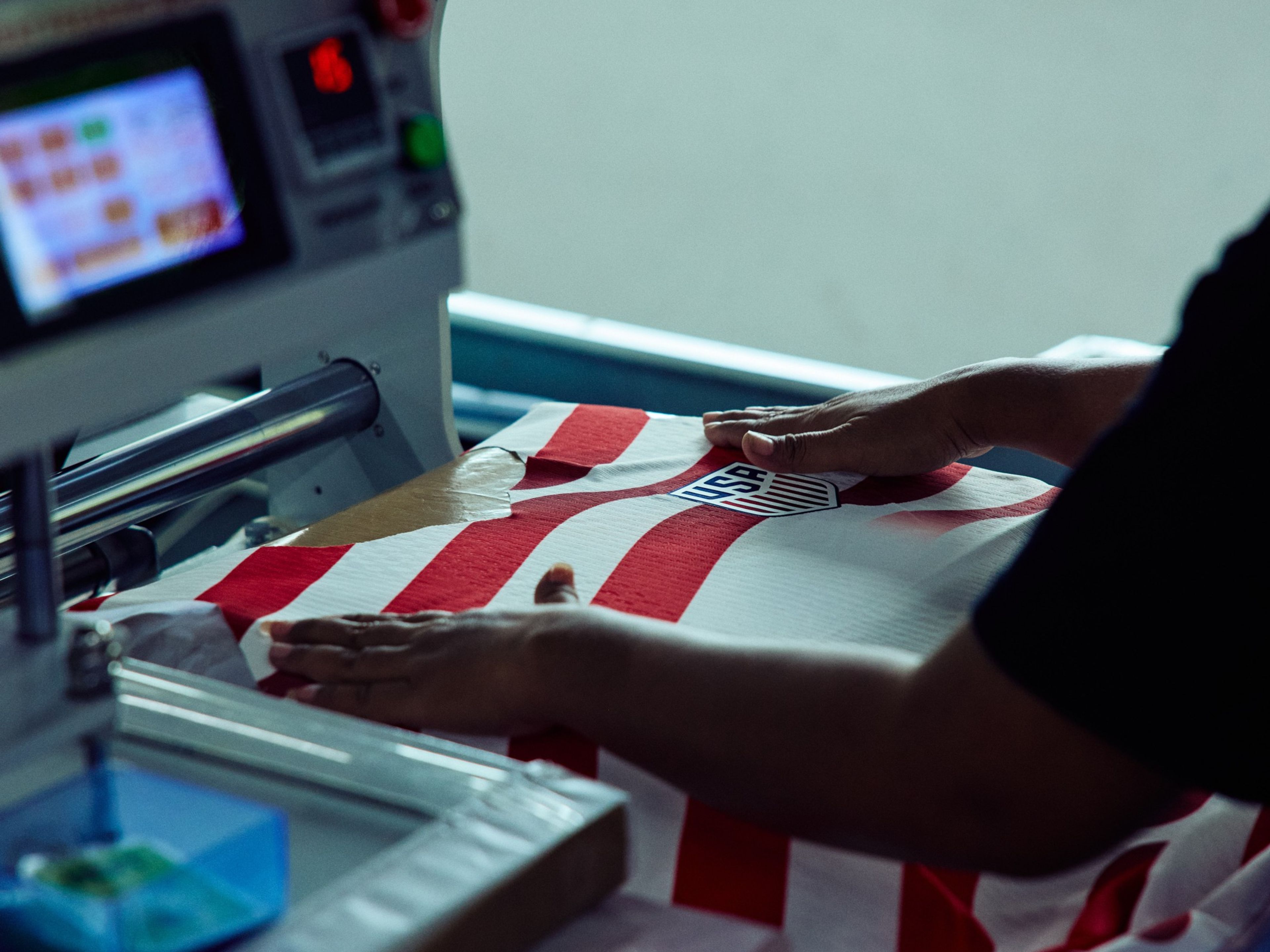
The Making of Aero-FIT: The Material Innovation Keeping Footballers Cooler on the Pitch
When you’re playing for your country, nothing should distract you, least of all heat and sweat.


Nike Radical AirFlow Debuts a New Era of Breathable Apparel
The material innovation harnesses the power of the air moving around you to help maximize your body’s natural cooling mechanisms.
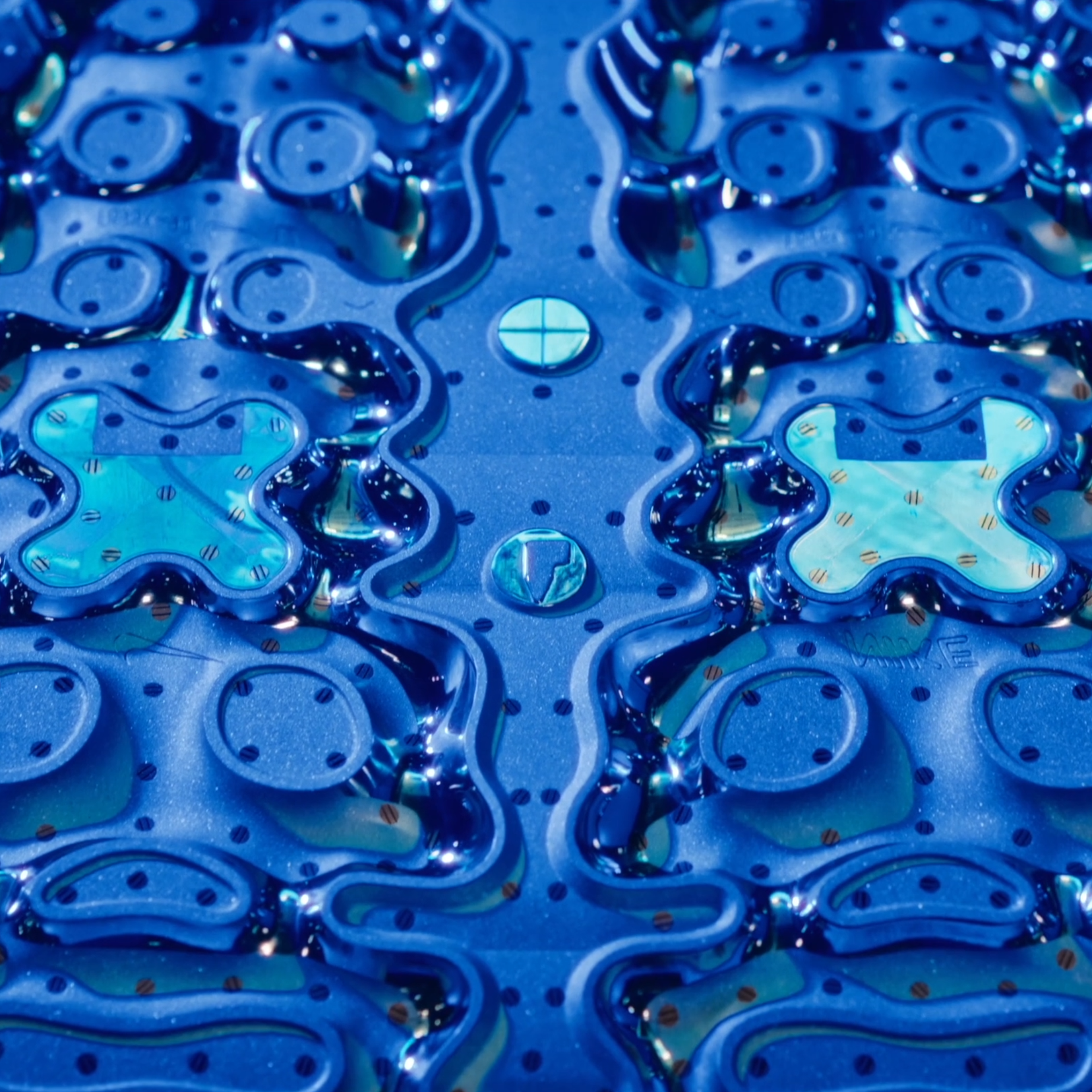
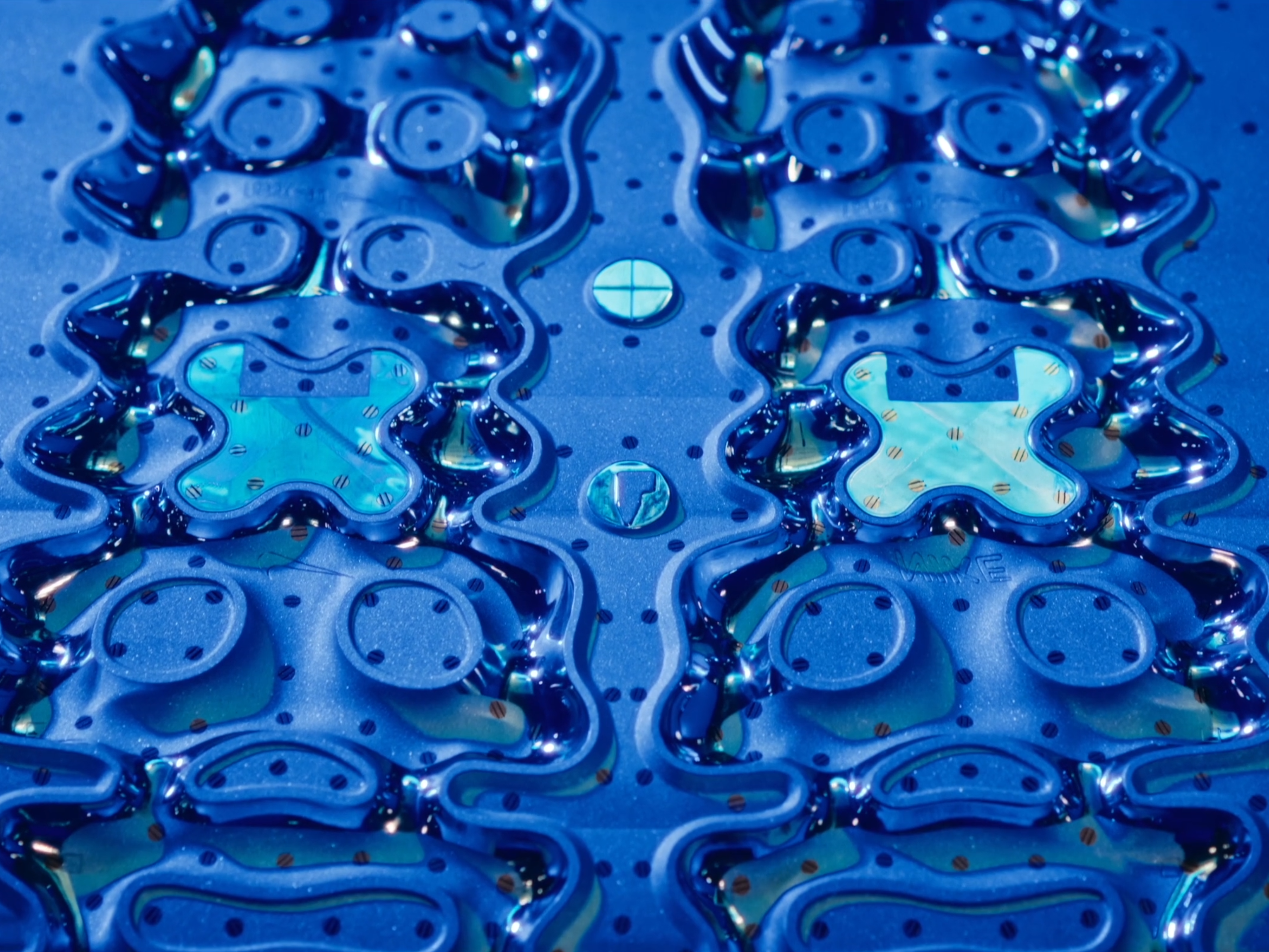
Less Is Max In the Newest Version of Nike Air
Nike Air Liquid Max is the first Max unit to include internal cut-outs. It ushers in an era for the Air Max franchise where precision and complexity go hand in hand.