The Making of Aero-FIT: The Material Innovation Keeping Footballers Cooler on the Pitch
- 10 July 2026
A single Nike Aero-FIT shirt begins as recycled yarn on a spool. Before it reaches an athlete on the world's biggest stage, it will move through a specialised creation process—knit on a proprietary circular machine; dyed in precise lots; and extracted, finished, sublimated, cut, printed and hand-stitched panel by panel.
Each step exists to protect the performance built into the material itself, a highly texturised knit that combines open and closed mesh zones to move air across the body, lift the fabric off the skin and deliver more than twice the airflow of legacy Nike fabrics. That's not nothing during a summer of sport that's delivered some of the hottest conditions footballers have ever seen.
Fitting, then, that Aero-FIT is also Nike's first elite performance apparel made from 100 percent textile waste. Nike's contract manufacturing suppliers use a textile-to-textile system enabled by advanced chemical recycling, creating a circular process that produces recycled polyester yarn as good as virgin material.
That material comes together through a blend of technology and human expertise, yarn and machine, hand and eye, made for the athletes taking the pitch and the fans standing with them in the same colours.
See exactly how here.
"We have world-class factory partners helping us to balance our innovation with scalable manufacturing. Their expertise is the secret sauce to making Aero-FIT".
Jamie Wong, director, Product Development
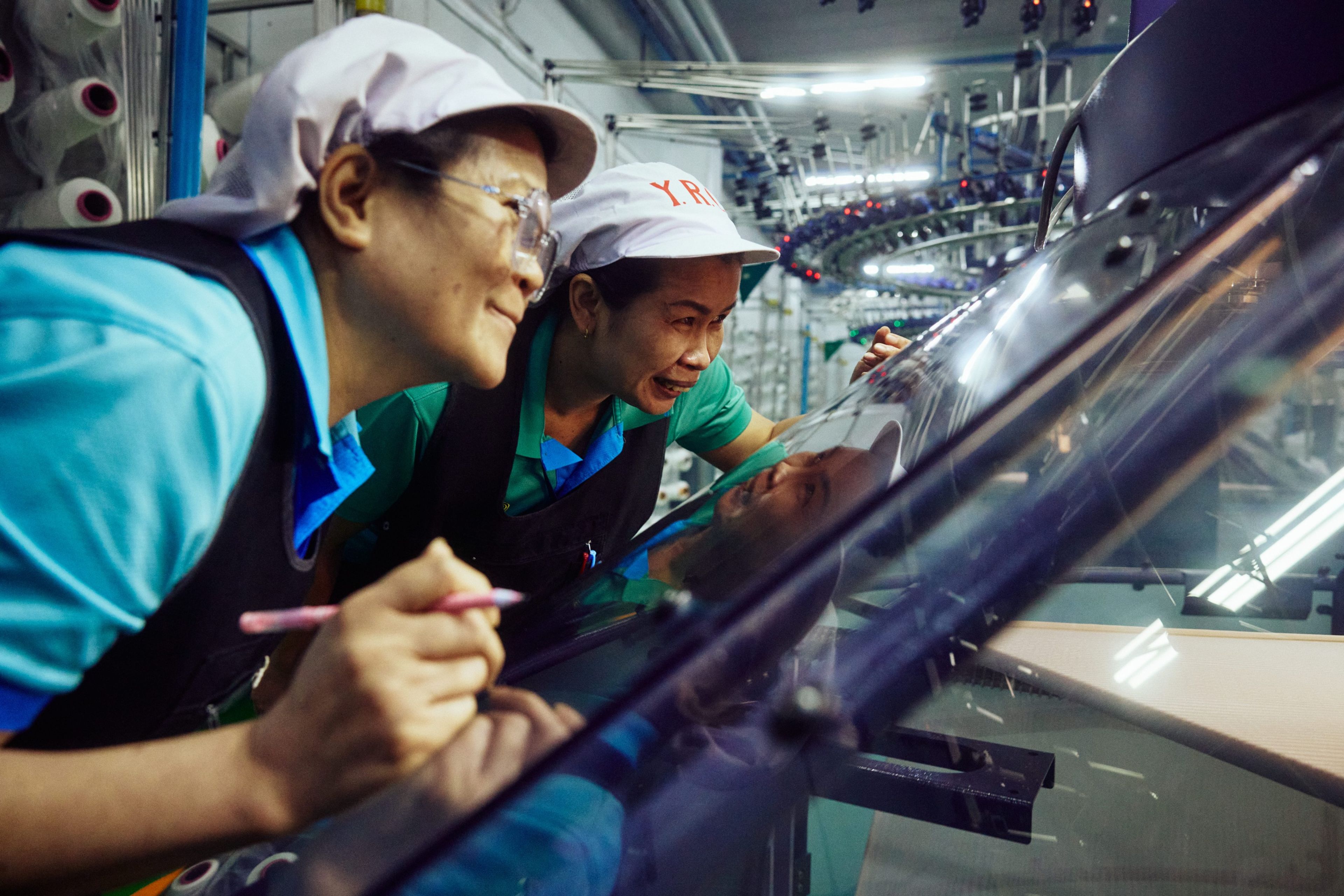
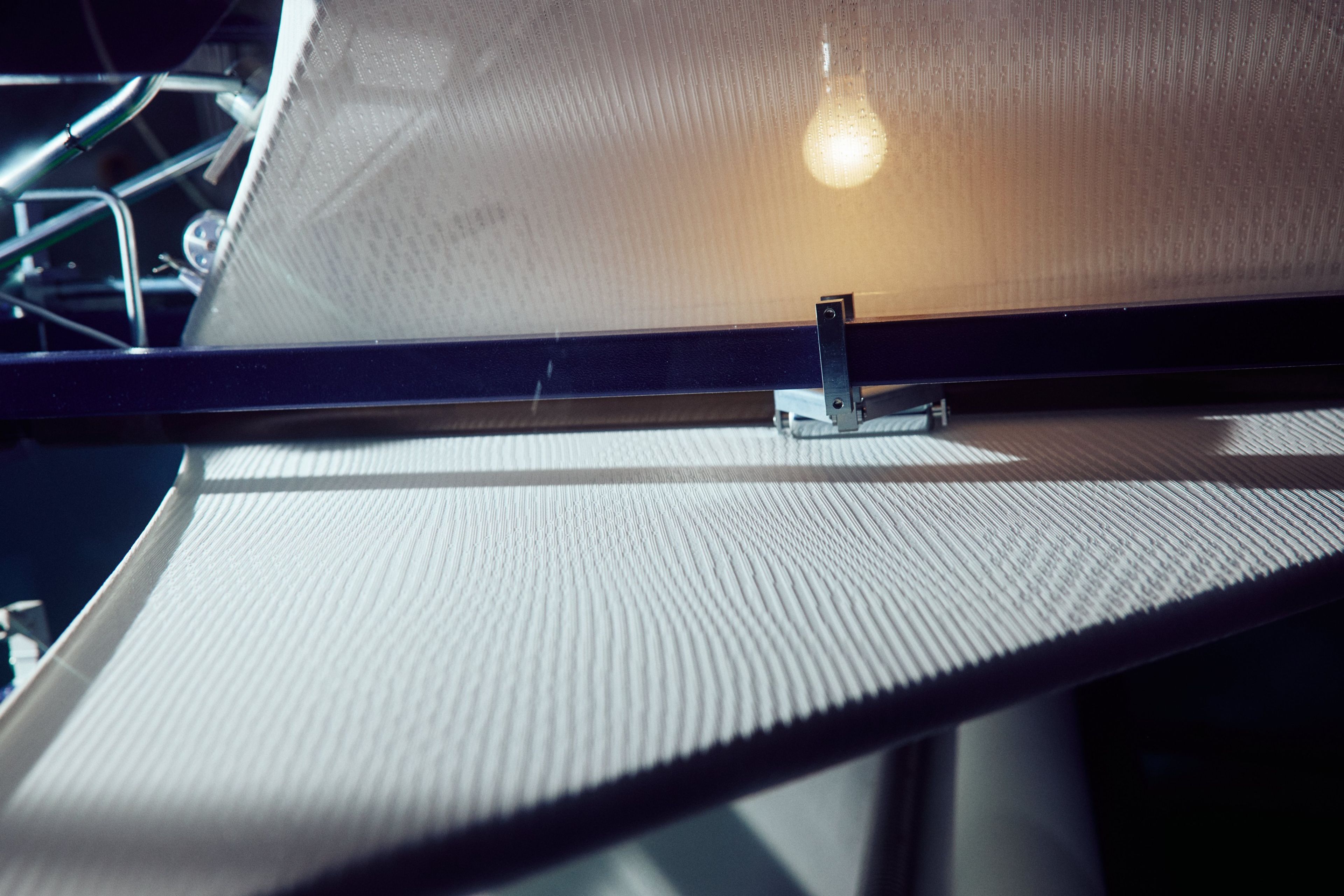
In the YRC knitting department just outside of Bangkok, workers inspect Aero-FIT construction at a proprietary knitting machine, checking pattern and quality.
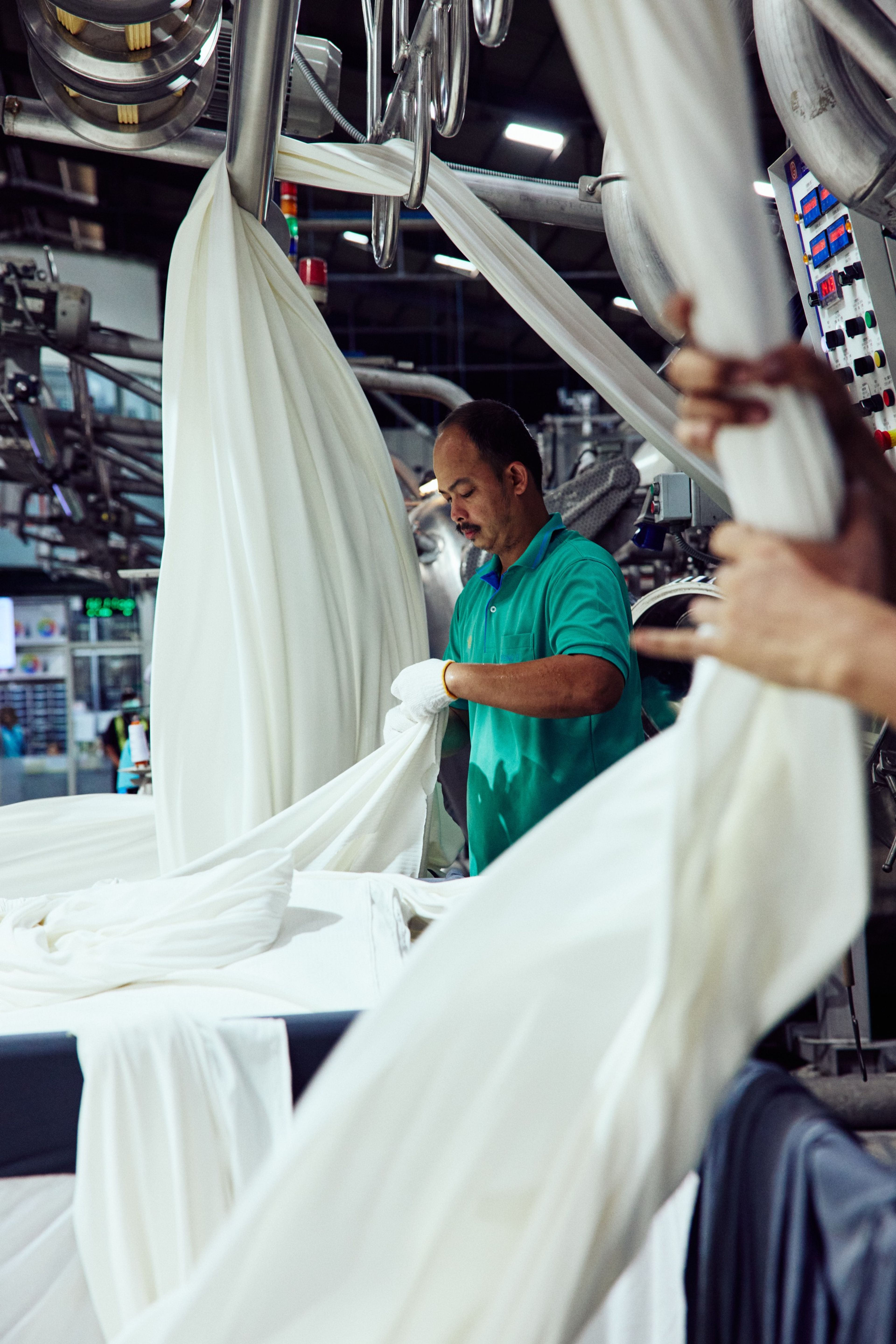
Operators load fabric into the dyeing machine, separating it into individual dye tubes by specified quantity, weight and production lot—a step that keeps dyeing consistent, efficient and even.
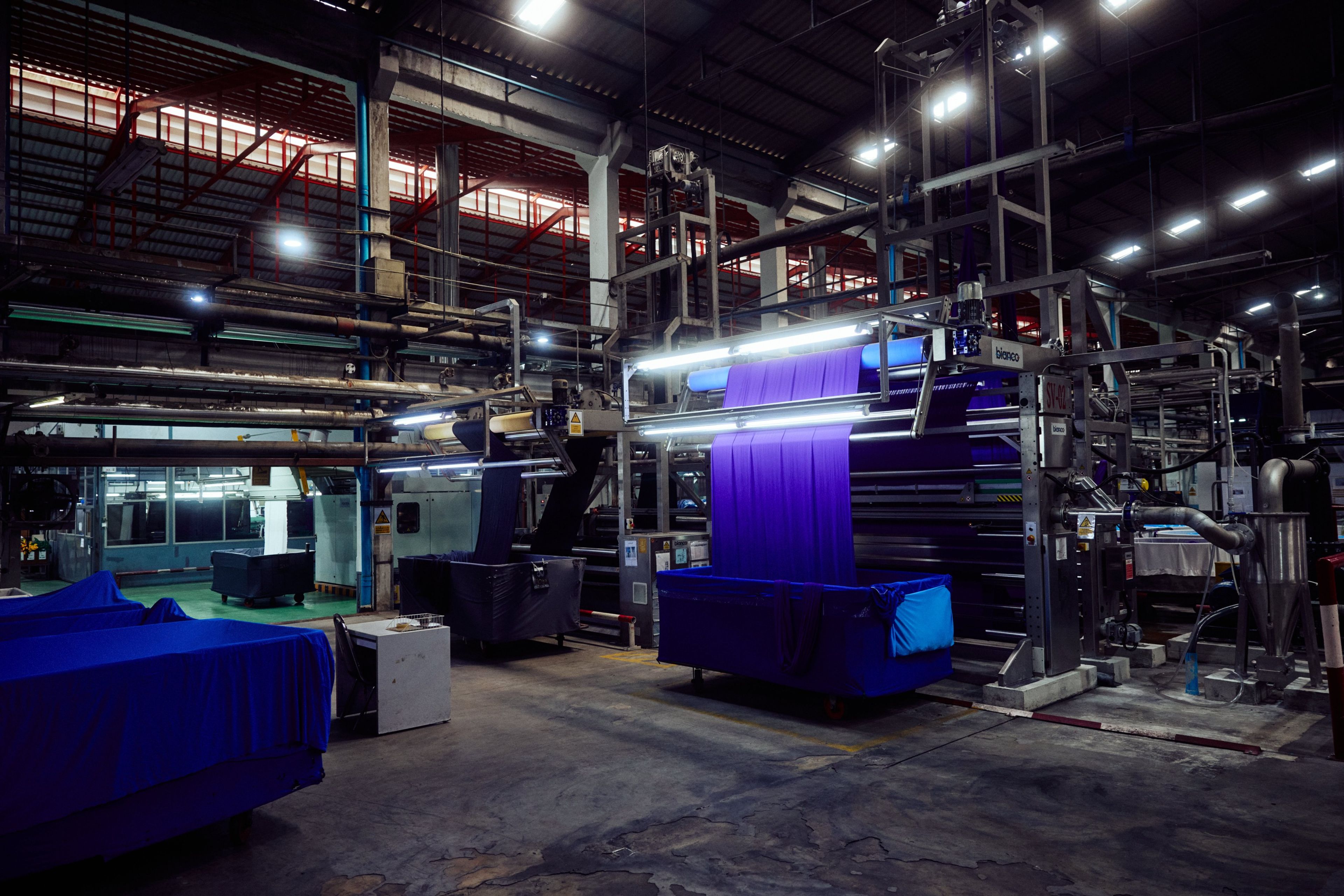
After the dyeing machine, the hydro extractor opens the rope-form fabric to its full width and removes excess water through vacuum extraction.
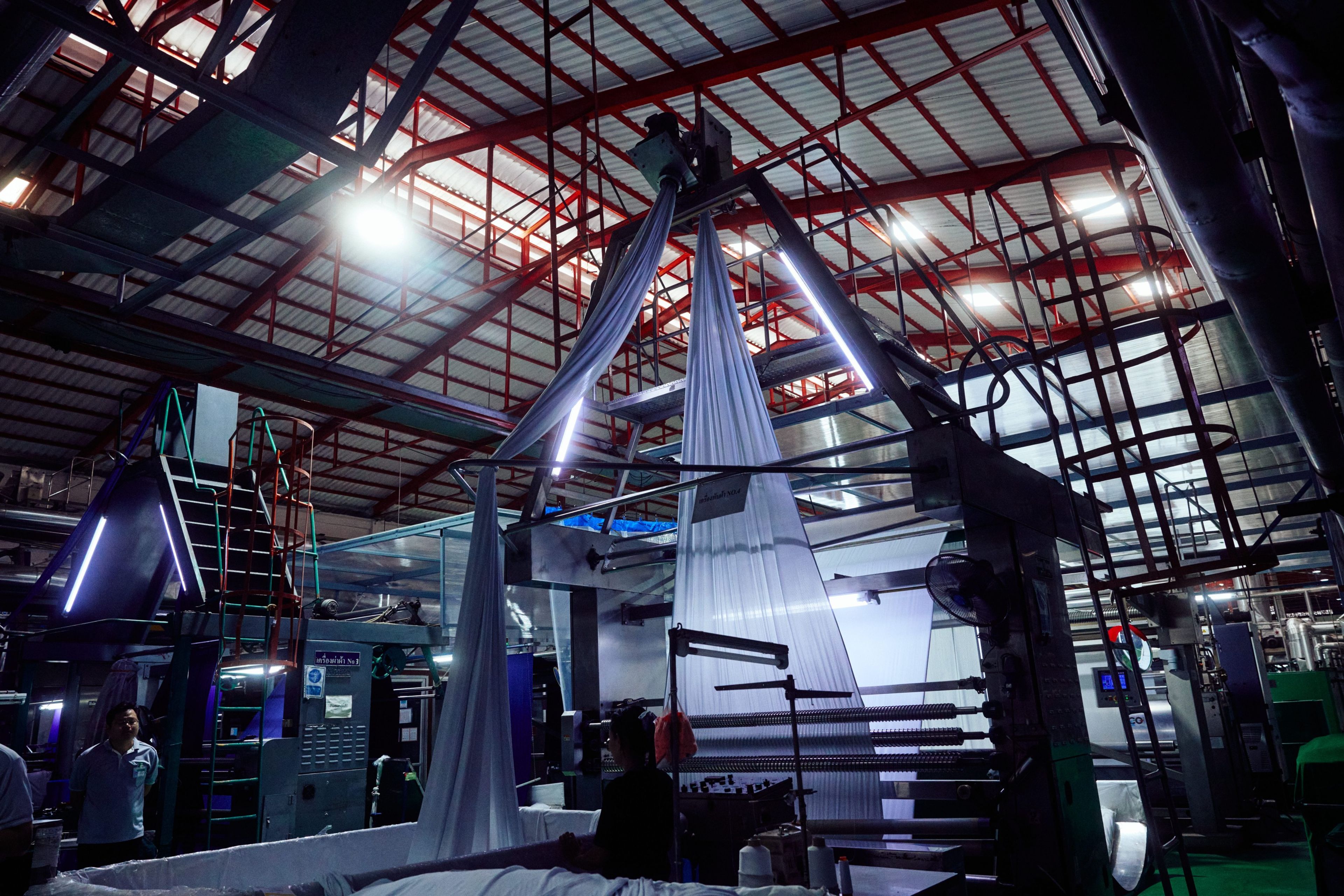
The J-box —a 'J'-shaped stainless-steel vessel—temporarily houses the fabric, relieving tension, minimising creasing and ensuring a continuous, uniform feed into finishing.
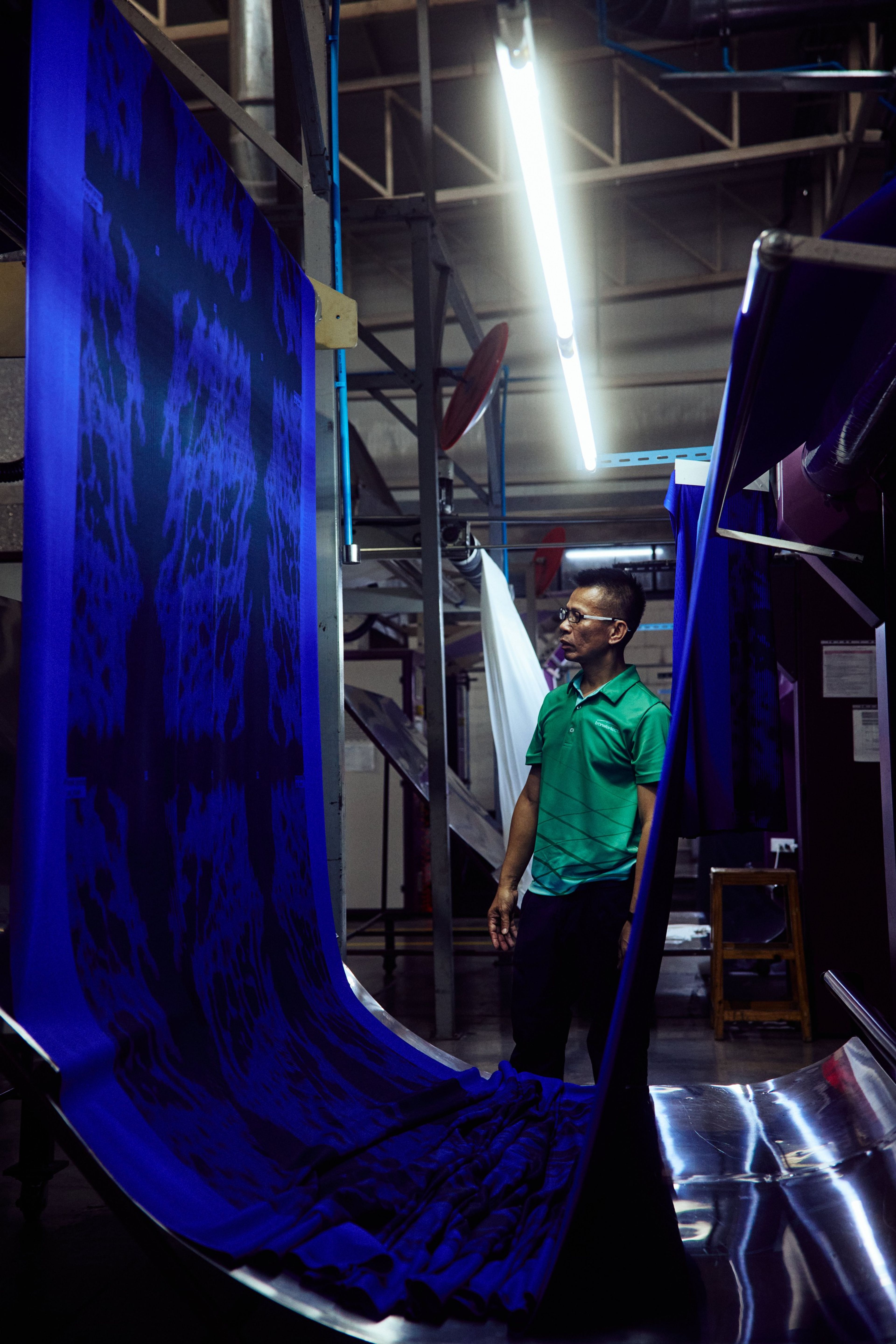
Patterns and designs are added during sublimation, which uses heat and pressure to transform special inks into a gas that permanently bonds to polyester. Here, a quality inspector studies the fabric.
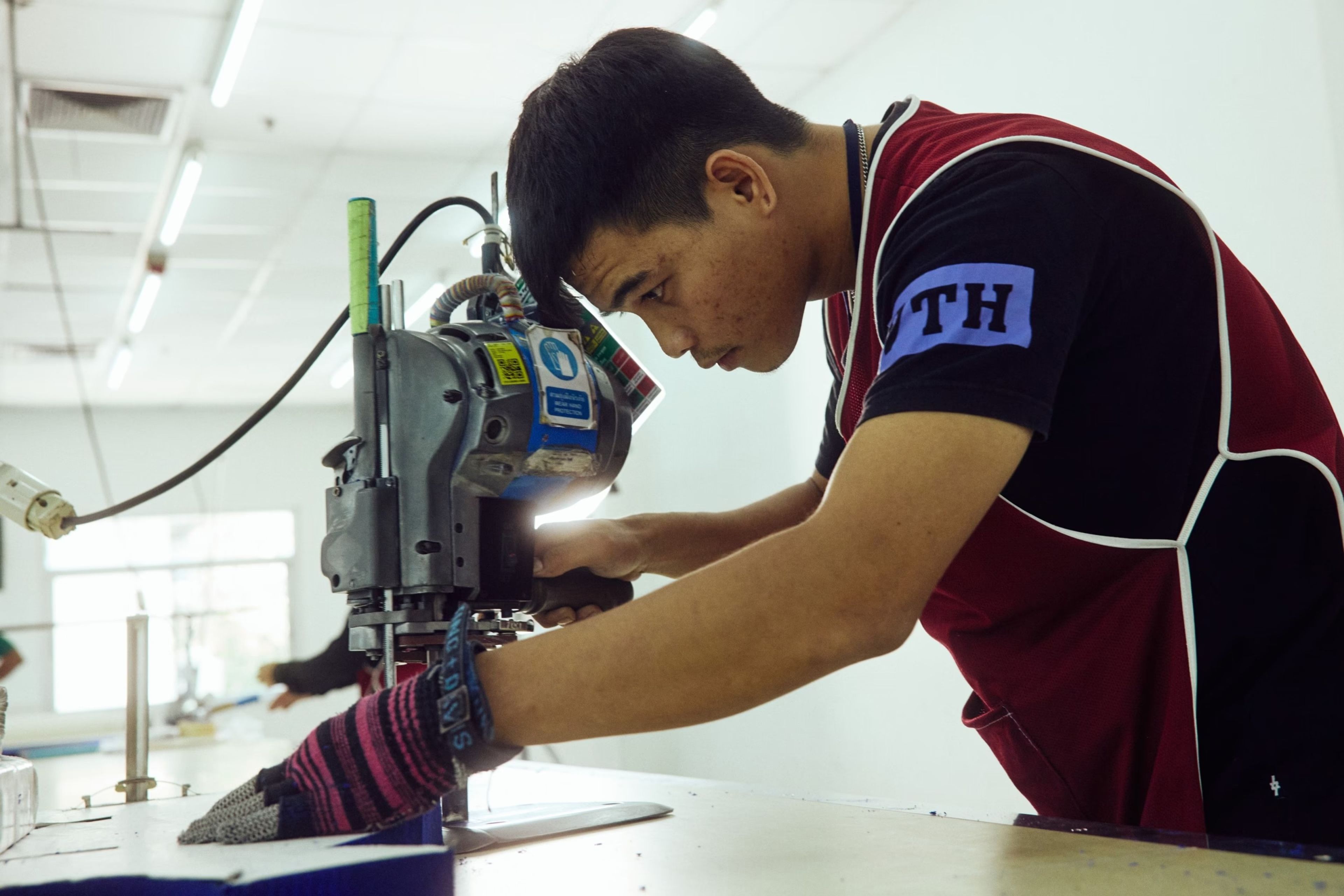
Expert pattern cutters precisely cut into each panel of Aero-FIT.
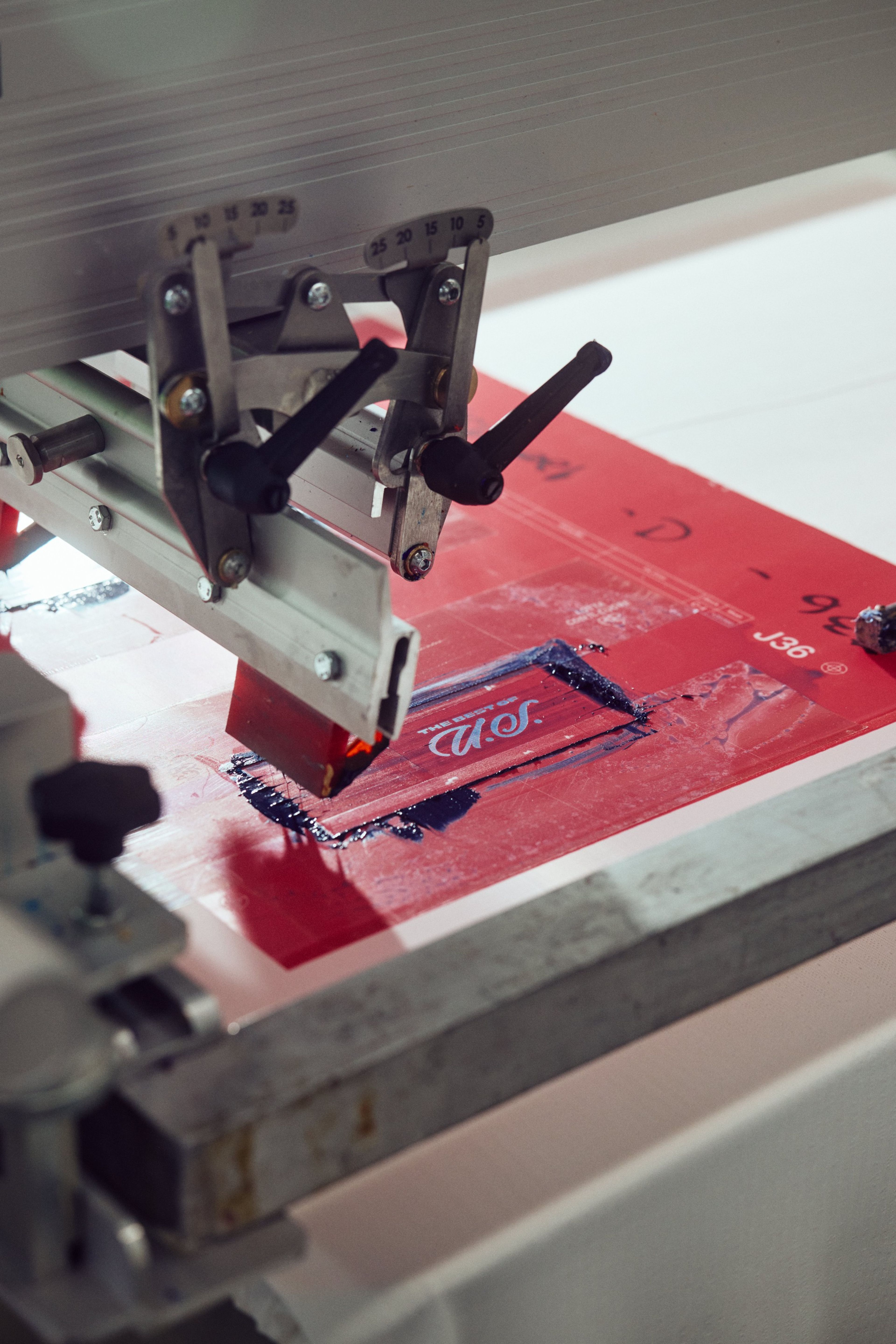
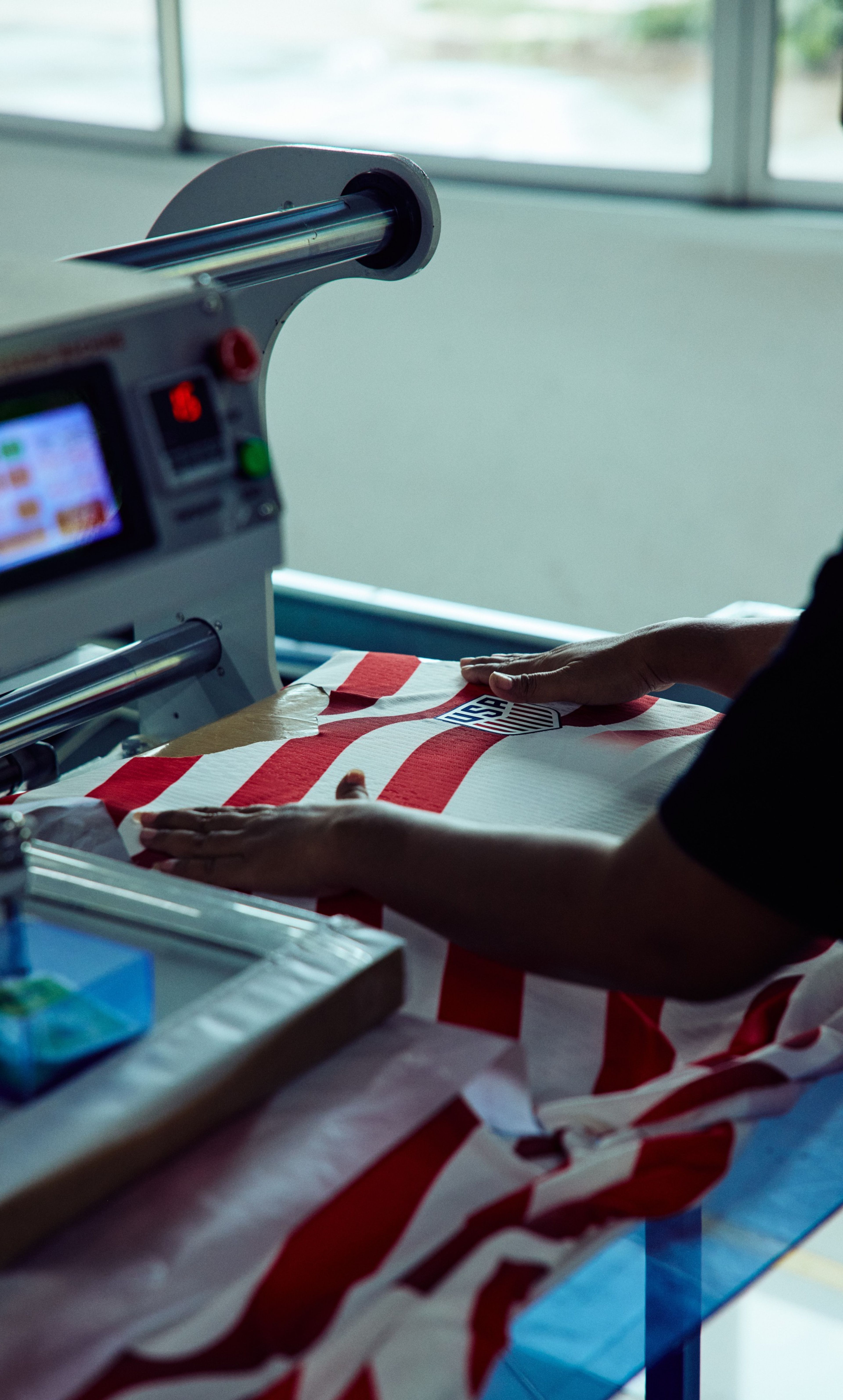
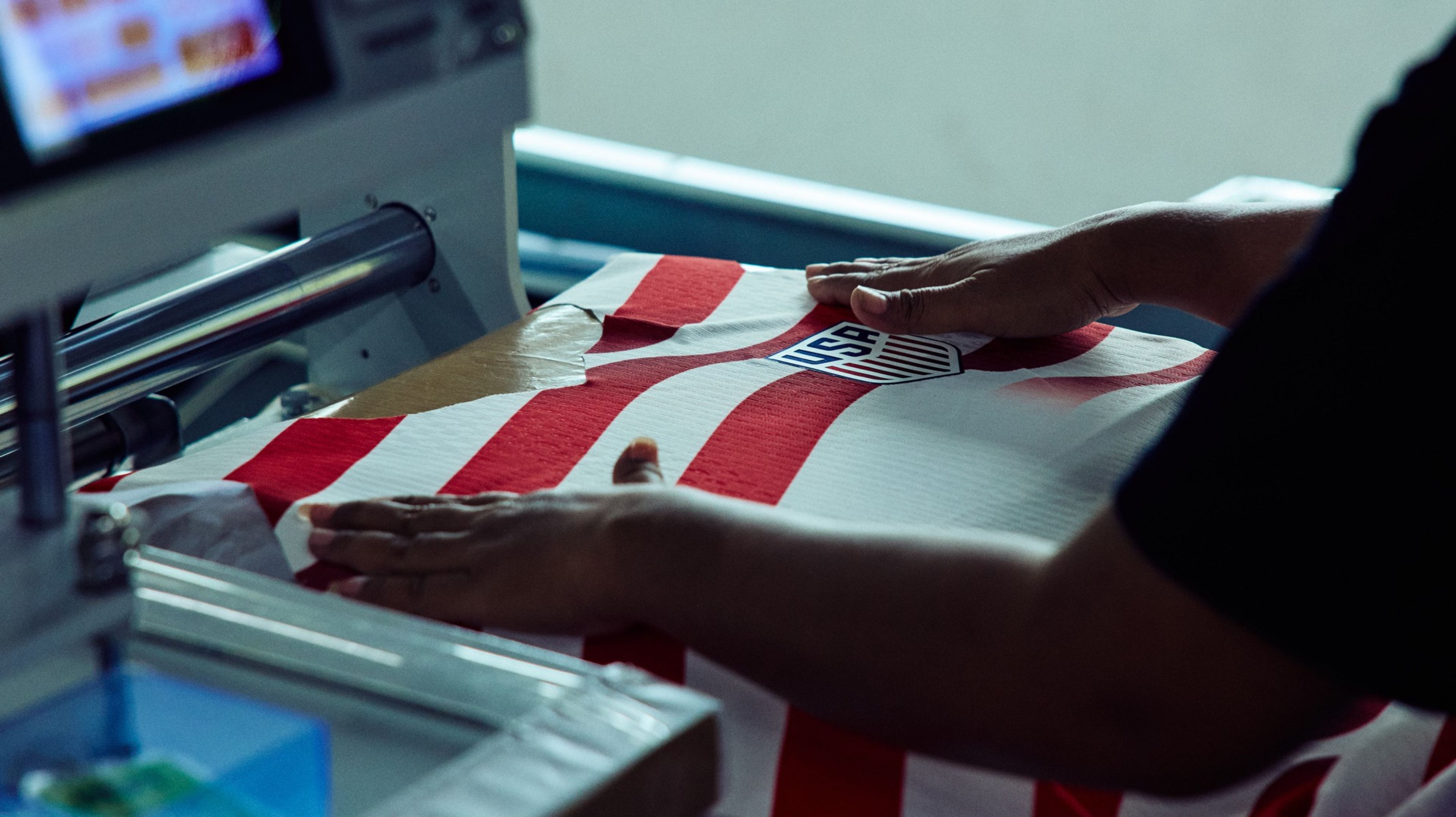
Automated multiple-layer silicone printing details the fabric with minimal ink waste.
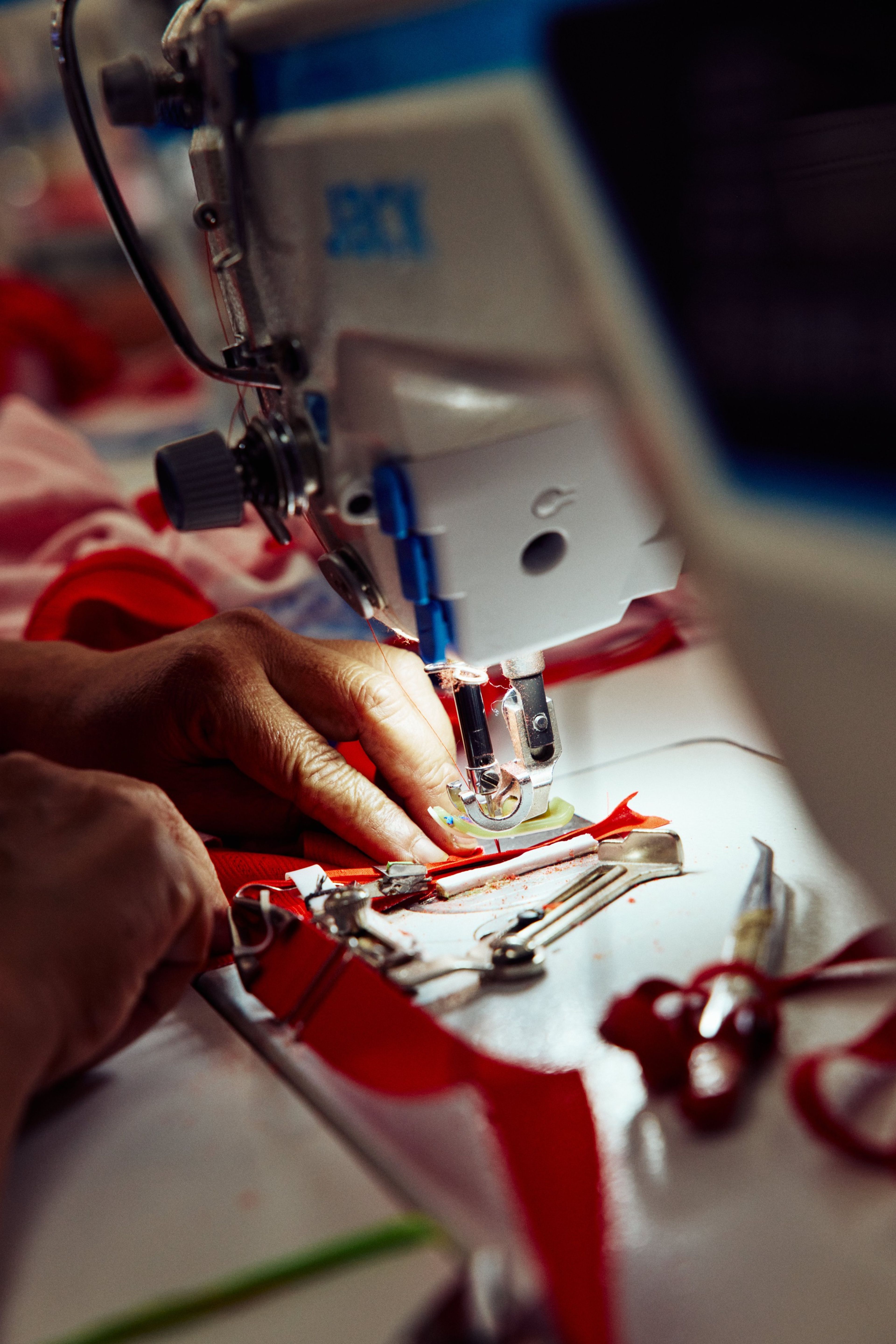
A skilful operator carefully aligns and stitches each panel by hand, putting the garment together.
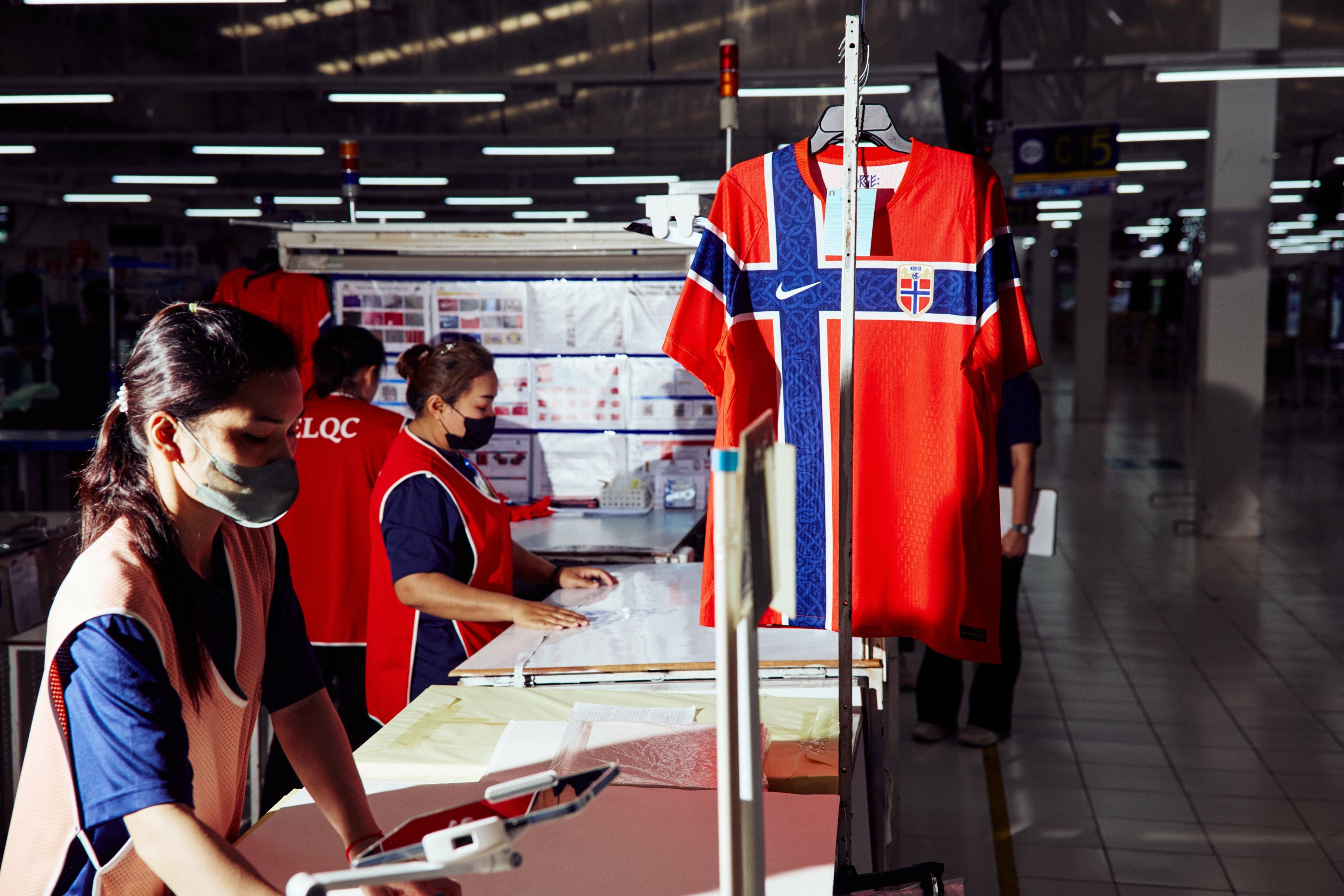
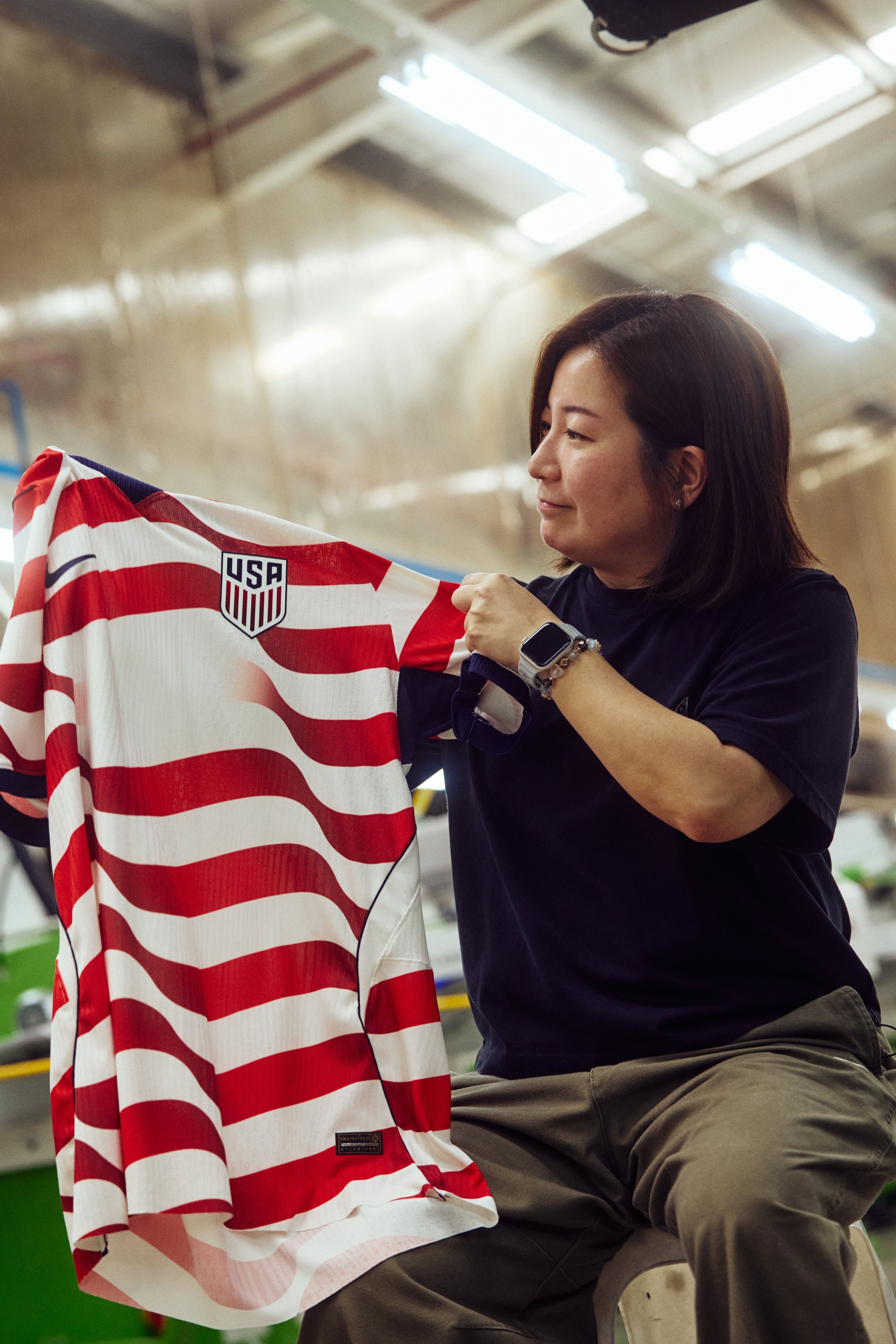
Expert operators inspect shirts one by one to ensure quality craftsmanship.